




Spot Bitcoin ETFs Face Waning Investor Appetite Amid Geopolitical Tensions
In the ever-turbulent world of cryptocurrency, where optimism and apprehension often collide, the latest data from spot Bitcoin exchange-traded funds (ETFs) reveals a striking story of caution overriding enthusiasm. For the second day in a row, these funds—launched with such fanfare to usher Bitcoin into mainstream investment portfolios—experienced net outflows, even as the broader crypto market climbed on the winds of positive news. This divergence underscores a market grappling with external pressures, particularly from geopolitical developments that are reshaping risk perceptions. As investors weigh the promise of digital assets against global uncertainties, the spotlight falls on how short-term volatility can eclipse long-term bullish sentiment. It’s a reminder that in finance, patience is not just a virtue but a strategic necessity.
Diving deeper into the numbers, the daily flows for spot Bitcoin ETFs painted a picture of selective retreat. Leading the exodus was Fidelity’s FBTC fund, which saw a staggering $79 million drained out, signaling perhaps a pivotal shift among institutional players leveraging less liquid investments. Not far behind, the ARKB fund—a collaborative effort from ARK Invest and 21Shares—reported outflows of $74.7 million, reflecting ARK’s known penchant for aggressive positioning that can invite rapid rotations during uncertain times. Even Grayscale’s storied GBTC fund, once a kingpin before converting to an ETF, couldn’t escape the pullback, hemorrhaging $11 million. These outflows come at a time when the crypto sector is increasingly scrutinized for its sensitivity to broader market cues, from interest rate decisions to international diplomacy. Experts suggest this trend isn’t isolated; it’s part of a larger narrative where investors are recalibrating exposures amid hints of economic slowdowns or inflationary pressures. For instance, digital asset manager firms like Fidelity have emphasized the liquidity challenges of ETFs during market downturns, potentially deterrring wholesale selling. Yet, in a space where hodling is gospel, such movements highlight the psychological tug-of-war between fiat-backed funds and frontier assets like Bitcoin, which lacks traditional safeguards.
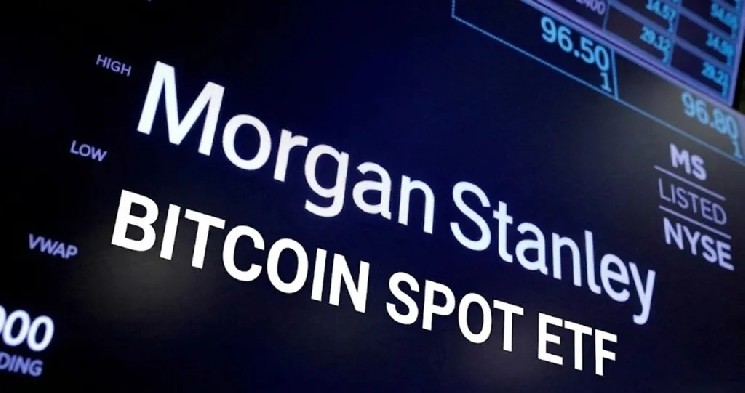
Yet, not all stories were ones of retreat; a glimmer of resilience shone through in pockets of the ETF landscape. BlackRock’s IBIT fund bucked the trend, attracting fresh capital with inflows totaling $40.4 million, a testament to the iShares brand’s trust and BlackRock’s data-driven approach to wealth management. Even more noteworthy was Morgan Stanley’s debutant MSBT fund, which raked in $30.6 million on its inaugural trading day, accompanied by a robust volume of about $34 million. This success story for MSBT underscores the allure of established brokerages entering the crypto fray, offering investors a bridge between Wall Street’s familiarity and the cryptocurrency wild west. Analysts have lauded these inflows as indicative of a maturing sector, where big-name players mitigate risks through rigorous securitization. For retail investors, this signals potential avenues for diversified entry, though it’s balanced by the caveat that ETF performance can hinge on Bitcoin’s inherent unpredictability. The juxtaposition of outflows and inflows speaks to a fragmented market, where strategic inflows from risk-tolerant entities offset bearish sentiments, fostering a dynamic ecosystem far from monolithic trends.
Meanwhile, the overarching cryptocurrency market pulsed with vitality, riding a crest of optimism that lifted Bitcoin’s price from approximately $67,800 to around $71,000—a surge propelled by diplomatic breakthroughs rather than purely financial catalysts. The announcement of a temporary ceasefire between the United States and Iran injected a dose of geopolitical relief, tempering fears of escalation in the Middle East that had previously rattled energy markets and, by extension, the commodity-sensitive Bitcoin. This price uptick, however, was not without its caveats; observers noted that while the $3,200 gain in a single day spells bullish momentum, it’s occurring against a backdrop of historical volatility. Bitcoin’s role as a digital gold alternative shines in such moments, where traditional assets like stocks or bonds might falter under political strain. Yet, the coin’s ascent also highlights a broader investor calculus: crypto often serves as a hedge, absorbing spillover from events like trade wars or regional conflicts. Historical precedents, such as Bitcoin’s spikes during the 2020 pandemic or Ukraine-related tensions, reinforce this correlation, reminding us that cryptocurrencies are increasingly intertwined with global events. For traders, this means staying attuned to news cycles, as a single headline can catalyze rapid reallocations across portfolios.
In unpacking these dynamics, analysts draw attention to the fragile underpinnings of current market confidence, with the ceasefire’s impermanence and conflicting reports casting a long shadow. Experts interviewed for this piece, including blockchain strategists from firms like Messari and Santiment, argue that the ceasefire process remains precarious, susceptible to unaddressed grievances or sudden escalations. This uncertainty, they say, is eroding investor appetite, even as Bitcoin hits new highs—likely due to profit-taking among institutions that scaled up during earlier rallies. Market sentiment indicators, such as those from the Crypto Fear & Greed Index, still hover in the “extreme fear” territory for the near term, a sign that bullish signals are countered by rampant skepticism. Furthermore, the interplay between geopolitical events and crypto prices underscores a maturing asset class, where sentiment-driven moves now incorporate real-world risks more profoundly than ever. Blockchain veterans point to similar patterns from past flare-ups, like the Crypto Winter of 2022 induced by regulatory crackdowns, illustrating how external shocks can amplify endogenous market weaknesses. As one analyst noted, “While Bitcoin’s price is climbing, the undercurrents of doubt suggest that true stability in ETFs will require not just market gains, but also regulatory clarity and institutional adoption.” This blended perspective keeps the spotlight on how cryptocurrency is evolving from a fringe experiment into a cornerstone of global finance, albeit one fraught with intermittent turbulence.
Looking ahead, the interplay between ETF outflows, price surges, and geopolitical narratives paints a nuanced tapestry for Bitcoin’s future trajectory. As markets digest the ceasefire’s implications—with potential for prolonged stability or renewed conflict—the crypto sector stands at a crossroads, balancing speculative fervor with risk aversion. Institutional investors, in particular, may pivot toward more conservative allocations if uncertainties persist, potentially stifling the ETF boom that has democratized Bitcoin exposure. Yet, successes like MSBT and IBIT hint at an irrevocable shift, where従来の資産クラスとの融合が進む可能性がある. For enthusiasts and novices alike, this era demands vigilance, informed by data rather than hype. As volatility remains a hallmark of the space, strategies emphasizing diversification and education could prove invaluable. In the end, while daily flows and price ticks captivate headlines, the true story lies in how these phenomenal forces shape a decentralized financial landscape, one negotiation and NFT sale at a time. As always, these insights are for informational purposes and not financial advice.