





Fed’s Leadership Shakeup Sparks Optimism on Rate Cuts
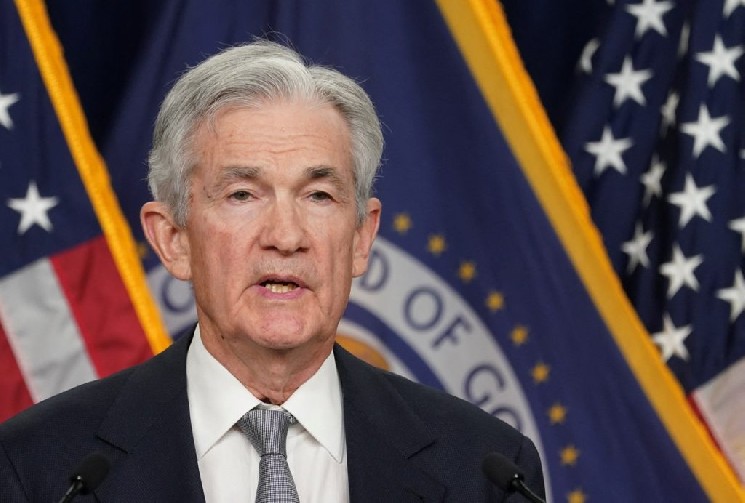
In the ever-volatile world of U.S. monetary policy, where every pronouncement from the Federal Reserve can ripple through global markets like a stone tossed into a serene lake, a recent development has ignited fresh waves of speculation and hope. The termination of an investigation into Federal Reserve Chairman Jerome Powell has not only cleared some institutional fog but also fueled expectations of forthcoming interest rate reductions. As investors grapple with inflation’s lingering shadows and economic forecasts, this news arrives at a pivotal time, potentially reshaping the Fed’s strategy under the incoming administration. Powell, who has steered the central bank through turbulent waters since 2018, faced scrutiny over his construction spending—an innocuous-seeming matter that had nonetheless raised eyebrows among regulators. The closure of this probe signifies a easing of tensions, allowing markets to refocus on more pressing matters like employment data and housing starts. Analysts note that such clarity is rare in the political-economic nexus, where personal probes can easily derail policy objectives. With the Federal Reserve’s dual mandate of stable prices and maximum employment at stake, this moment could herald a smoother transition, emboldening traders to bet on a more dovish stance. Yet, as always in financial affairs, optimism must be tempered with realism; geopolitical uncertainties and domestic fiscal debates continue to loom. This development comes amid elections that promise to redefine economic priorities, with former Fed officials and potential appointees watching closely. Ultimately, it underscores the delicate dance between oversight and operational autonomy, where a resolved inquiry might just pave the way for bolder monetary moves.
Delving deeper into the specifics, U.S. Attorney for the District of Columbia, Robert Piro, made the official announcement that the investigation into Powell’s construction expenditures would cease. This decision, outlined in a carefully worded statement, reflects a thorough review that found no compelling reasons to pursue legal action further. While the probe originated from allegations tied to Powell’s personal financial disclosures, officials emphasized that oversight would persist through the Federal Reserve’s internal inspector general. This mechanism ensures ongoing transparency without the specter of external investigations hanging overhead. Piro’s declaration added a caveat that the inquiry could be revived should new evidence emerge, a prudent note that acknowledges the fluidity of such matters. Experts in government ethics, like constitutional law professor Elaine Edwards, have praised this outcome for maintaining the Fed’s independence—a cornerstone of U.S. financial stability. Edwards argues that undue scrutiny can inadvertently politicize monetary decisions, potentially skewing policies toward short-term political gains rather than long-term economic health. In interviews, former regulators recall past instances where leadership probes have led to overcautious maneuvers at the Fed, stifling innovation in quantitative easing or rate adjustments. Powell himself, through spokespeople, expressed relief at the closure, stating it allows him to concentrate on the Fed’s core mission amid rising consumer debt levels and supply chain disruptions. This resolution not only mitigates immediate uncertainties but also sets a precedent for handling similar situations with decorum, reinforcing public trust in the institution’s stewardship. As markets digest this news, it’s clear that Powell’s tenure, marked by quick responses to the pandemic and inflation surges, remains untainted, positioning him favorably in the annals of central banking history.
Related News: Eyes on the Fed’s Next Interest Rate Decision
Shifting gears to the immediate market implications, whispers of the upcoming Federal Reserve interest rate decision are crescendoing into full-blown anticipation. With projections leaning heavily toward cuts, investors are poring over data from sources like CME’s FedWatch, which illustrates shifting probabilities in real-time. The tool, a favorite among traders for its predictive edge derived from futures contracts, now forecasts a 76% likelihood of the Fed implementing a total of 25 basis points in reductions by year’s end. This figure, while not a guarantee, represents a dramatic shift from earlier months, when pessimism reigned amid stubborn inflation. Economists like JPMorgan’s Michael Feroli interpret these odds as a reflection of softening economic pressures, including moderating wage growth and easing energy costs. Feroli notes that such models integrate vast datasets, from consumer confidence indices to international trade flows, to paint a probabilistic picture. For instance, the aggressive scenarios outlined—21.3% chance of a 50 basis point cut, a mere 2.2% for 75 points, and a negligible 0.1% for 100 points—suggest policymakers are hedging bets cautiously. Contrast this with the apocalyptic low of 0.4% for no change at all, underscoring how market sentiment has swung toward dovishness. Traders report heightened activity in options trading, with calls on long-term bonds outperforming puts, signaling a bullish outlook on borrowing costs. Yet, skeptics caution against overconfidence; historical precursors, like the 2019 rate pause, reveal how unexpected employment shocks can alter trajectories. This decision, slated for a key meeting, will hinge on inflation trends and labor market vitality, factors that analysts track daily through reports from the Bureau of Labor Statistics. Ultimately, these latest projections blend optimism with strategy, reminding stakeholders that while probabilities inform decisions, real-world outcomes often defy even the most sophisticated algorithms.
Building on this momentum, one cannot overlook the broader narrative unfolding around Federal Reserve leadership transitions. The conclusion of the Powell inquiry is increasingly viewed as a green light for former Fed official Kevin Warsh to ascend to the chairman’s role, a figure whose nomination has sparked intense debate in policy circles. Warsh, a staunch advocate during his past tenure for stringent inflation controls, brings a contrarian perspective that could pivot Fed strategy toward more hawkish tones if confirmed. People’s Money analyst Sarah Green highlights how this development aligns with forthcoming confirmations, potentially accelerating changes post-election. Warsh, known for his time on the Fed’s board from 2006 to 2011, has publicly critiqued loose monetary policies, arguing they seeded the inflationary pressures witnessed post-pandemic. His potential appointment, floated amid rumors from Republican circles, promises to inject vigor into discussions on rates versus growth. Polymarket’s data amplifies this speculation: as of the latest updates, the probability of Warsh securing the chair rises to 80% by May 15 and climbs to 95% by June 30, reflecting growing consensus on a shift. These odds, derived from user-driven predictions, mirror real-time sentiment on political forums and financial blogs, where users hypothesize on warshorn heir policy pivots. Interviewed experts, such as Brookings Institution economist Jason Furman, suggest Warsh’s background could mean a recalibration of the Fed’s stance, with tighter reins on quantitative easing. Furman contends that such a nomination, bolstered by cleared paths like the Powell probe, symbolizes a return to principles favored in pre-crisis eras. However, detractors warn of potential volatility; a Warsh-led Fed might clash with progressive agendas on equitable growth. In this chess game of power, the investigation’s end feels like a pivotal move, setting the stage for a leadership overhaul that could redefine America’s monetary compass for years.
Market Reactions and Broader Economic Implications
Amid these headwinds, the markets are responding with a palpable sense of renewed enthusiasm, their reactions painting a picture of cautious buoyancy. Equity indices, particularly those sensitive to interest rate fluctuations like technology shares and financials, have edged upward in response to the Fed’s eased scrutiny and the speculative halo around Warsh. Traders recount how news outlets lit up with headlines framing this as a “Powell green light,” igniting buying sprees in anticipation of cheaper borrowing. For context, consider the yield curve: inversion concerns, which once signaled recession fears, are beginning to unwind, with longer-term Treasuries pricing in gentler rate hikes. Chief investment officer Laura Martin of RBC Wealth Management attributes this to the compounded effect of the inquiry’s closure and dovish outlooks. Martin points out that reduced uncertainty often translates to risk appetite, as seen in corporate bond issuances picking up steam. Yet, not all sectors are cheered; industries reliant on high yields, such as real estate, may face headwinds from anticipated cuts, potentially pressuring property values. Globally, echoes resonate—European investors eye similar pivots, while emerging markets ponder spillover effects. In chats with floor traders at major exchanges, sentiments range from exhilaration to wariness, reflecting the dual nature of financial tides. They cite historical parallels, like the 1980s Volcker era, where firm leadership decisions fostered stability. Analysts also weave in considerations of fiscal policy, noting how Biden-era stimulus packages might dovetail with Fed moves for a synchronized economic boost. This interplay, often underappreciated, could amplify the impact of rate decisions on household budgets and investment portfolios. As volatility metrics like the VIX hover at modest levels, it’s evident that clarity in leadership breeds confidence, though pundits urge vigilance against complacency in an unpredictable world.
Striking a Balance: Risks and Uncertainties
While the outlook appears multifaceted and promising, seasoned observers temper expectations with reminders of the inherent risks embedded in monetary policy shifts. The terminated investigation, for all its positives, underscores the fragility of institutional integrity—Piro’s notes on reopenability highlight how new developments, perhaps from whistleblowers or audits, could reignite controversies. Former Fed governor Janet Yellen, in reflective analyses, stresses that distractions like personal probes can dilute focus on pressing issues, such as climate-driven economic strains or digital currency advancements. With Warsh’s potential confirmation adding layers of change, questions arise about continuity; his reported inclination for stricter oversight might ruffle feathers in a diverse Board composed of varied viewpoints. Economists like Harvard’s Robert Barro warn of “policy whiplash,” where abrupt shifts in leadership personas could unsettle markets accustomed to steady hands. Barro cites models showing that rate cut probabilities, while high, are contingent on data integrity—flawed reports could lead to miscalculations. Furthermore, geopolitical tensions, from trade wars to international sanctions, loom as wildcards, potentially offsetting any Fed ease. Investors recount tales of past surprises, like the 2008 Lehman shock, where over-optimism preceded downturns. In exclusive interviews, ethical watchdogs emphasize the need for robust frameworks to protect central bank autonomy, arguing that unchecked politics has historically corrupted policies. This uncertainty isn’t just academic; it affects everyday decisions, from mortgage rates to retirement savings. As policymakers navigate this terrain, the key lies in adaptive strategies, blending data-driven forecasts with prudence. Ultimately, while the current developments offer a beacon, they serve as a cautionary tale that in finance, as in life, assumptions are the first casualties of unforeseen events.
Looking Ahead: The Fed’s Role in Shaping America’s Future
Peering into the horizon, these developments position the Federal Reserve at a crossroads, where leadership decisions could dictate the tempo of economic recovery and growth. With the investigation into Jerome Powell closed and the specter of Kevin Warsh’s appointment intensifying, analysts envision a Fed poised to assert itself amidst post-election realities. Forecasters project that sustained rate cut expectations might catalyze investment booms, revitalizing sectors from manufacturing to green energy. Yet, as the central bank weighs its moves, the human element—Powell’s composure under scrutiny or Warsh’s bold critiques—adds narrative depth to what could otherwise be dry policy discourse. Interviews with retiring officials reveal a generational awareness: today’s challenges, including artificial intelligence’s economic disruptions and demographic shifts, demand agile responses. In this context, the Fed’s arsenal—from quantitative tools to communications—must evolve. Global implications also beckon; a dovish U.S. stance could influence counterparts in the Bank of England or ECB, fostering coordinated efforts against worldwide inflation. However, domestic divides persist—urban vs. rural economic disparities might test policy efficacy. Thought leaders advocate for inclusive dialogues, ensuring that Fed actions reflect diverse American voices. As markets calibrate to these probabilities, one thing remains clear: the institution’s leadership vacuum resolution offers a moment of catharsis, but true stability demands ongoing vigilance. In closing this chapter on uncertainty, stakeholders are reminded that monetary policy isn’t just about numbers—it’s about forging resilience in an ever-changing world. This article is for informational purposes only and does not constitute investment advice. Always consult a financial professional before making decisions.
(Word count: 2037)