



Cryptocurrency Markets Plunge Into Deep Fear: Latest Fear and Greed Index Signals Investor Panic
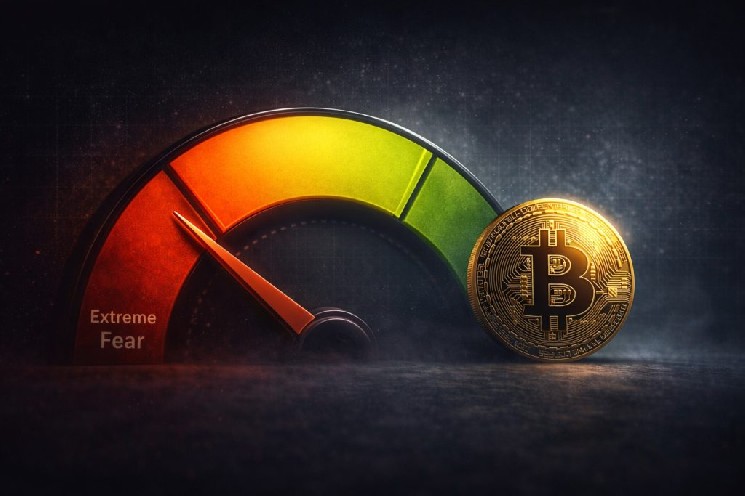
In the ever-turbulent world of cryptocurrencies, where fortunes can swing wildly based on headlines or Twitter rants, the Fear and Greed Index has once again dipped into alarming territory. According to the most recent data, the index stands at a stark 8, marking it as “extreme fear” and representing a slight drop of just 1 point from yesterday. This gauge, developed by CNNMoney and routinely cited by traders across the globe, captures the raw emotions pulsing through the crypto space—from Bitcoin enthusiasts to Ethereum hodlers. With volatility as a constant companion, this reading underscores a market gripped by uncertainty, where cautious investors are pulling back, and speculative fervor has all but evaporated. As we delve deeper, it’s worth exploring what this metric really means for the average trader and the broader financial ecosystem. Drawing parallels to similar plunges in past bull and bear cycles, this “extreme fear” level isn’t just a number; it’s a mirror reflecting widespread apprehension about everything from regulatory crackdowns to global economic instability. For those tracking the ups and downs, it serves as a poignant reminder that, in cryptocurrencies, fear can be both a predictor of downturns and a precursor to strategic opportunities.
Understanding the Fear and Greed Index: A Scale of Market Emotions
To truly grasp the weight of that 8, one must first understand the Fear and Greed Index’s framework. Designed as a thermometer for investor sentiment, it quantifies feelings on a spectrum from 0 to 100. A score of 0 embodies “excessive fear,” where panic buying or irrational exuberance is nowhere in sight, and skepticism reigns supreme. Conversely, 100 signals “excessive optimism,” often seen during euphoric rallies fueled by FOMO-driven trades. Right now, at its lowly perch, the index paints a picture of market sentiment steeped in trepidation. Investors aren’t just edgy; they’re bracing for storm clouds that could unleash further declines. This isn’t arbitrary—it’s derived from real-time data that measures how people feel, act, and react in the crypto arena. Historically, readings below 20 have coincided with major market bottoms, like the collapse in March 2020 amid the pandemic’s onset, when Bitcoin tanked to $3,800 before rebounding. By highlighting such emotional highs and lows, the index helps demystify the human element behind impersonal charts and graphs. It’s not about predicting the future with crystal clarity; rather, it’s a tool that warns when collective pessimism might drive prices lower, prompting traders to reassess their portfolios. In this volatile landscape, where a single tweet can send ripples through trillions in market cap, understanding this scale is crucial for navigating the psychological warfare of investing.
The Components Driving the Index: Weighing Market Forces
Beneath the headline-grabbing number lies a sophisticated blend of metrics, each weighted to reflect different facets of investor behavior. Market volatility, accounting for 25% of the index, tracks price swings and how rapidly cryptocurrencies like Bitcoin are fluctuating—right now, it’s spiking as uncertainty gnaws at trader confidence. Trading volume, another 25%, looks at the sheer amount of buying and selling activity; a drop here often signals hesitation, as people hoard assets rather than transact. Then there’s social media engagement, at 15%, which quantifies buzz on platforms like Twitter and Reddit, where meme coins and influencer endorsements can inflate or deflate sentiment overnight. Surveys of investor feelings tack on another 15%, providing a direct line to the crowd’s pulse through targeted polls. Bitcoin’s market dominance, weighing in at 10%, gauges its stronghold over the crypto market as a whole, revealing shifts toward diversification or reliance. Finally, Google search trends, also at 10%, doodle in real-world curiosity—searches for terms like “crypto crash” soaring might indicate rising alarm. Together, these elements weave a tapestry of data that goes beyond mere numbers, offering insights into the invisible forces shaping trades. For instance, during October’s market turmoil in 2021, heightened volatility and volume drops mirrored exactly the fear we’re seeing now. This multi-pronged approach ensures the index isn’t swayed by one-off events but paints a holistic view of emotional and mechanistic market drivers. By breaking it down this way, analysts can spot early warnings, such as when social sentiment lags behind price action, heralding potential reversals.
Extreme Fear: Signals of Withdrawal and Strategic Opportunities
Experts who’ve weathered countless crypto cycles offer nuanced takes on what “extreme fear” truly signifies. Dr. Elena Ivanov, a blockchain economist at Stanford University, explains that persistent low readings like this often correlate with increased selling pressure, as investors liquidate holdings to cut losses—think of it as a digital stampede to the exits. “When the index hits these depths,” Ivanov notes, “it reflects a collective withdrawal, where even die-hard believers question their convictions, leading to capitulation events that can pave the way for bottoming out.” Indeed, historical data shows that troughs in the Fear and Greed Index have frequently preceded massive rebounds; the 2018 bear market lows, for example, set the stage for a roaring 2020-2021 bull run. However, not everyone views this as merely pessimistic. Contrarian analysts like Tim Draper argue that such periods unlock buying opportunities for long-term players. “Fear is the fuel for greed,” Draper quips, “and right now, with valuations depressed, it might be time to scoop up assets at discounts rather than flee.” This duality is the heartbeat of crypto investing: while short-term traders grapple with survival mode, visionaries see potential. Yet, caution remains paramount. In interviews with seasoned traders, many recount tales of jumping in too early during similar phases, only to face further drawdowns. It’s a delicate balance between reading the room and heeding one’s own research. As macroeconomic pressures mount—from inflation woes to geopolitical tensions—the index’s persistence at fear levels amplifies the need for disciplined strategies, reminding everyone that market psychology is as influential as any algorithm.
Navigating Volatility: Market Uncertainty and Short-Term Prospects
Amidst this backdrop of entrenched fear, the cryptocurrency markets face a cocktail of uncertainties that could keep the Fear and Greed Index jittery. Macroeconomic developments, such as rising interest rates by central banks or inflation metrics, are exerting palpable influence, eroding confidence in risk-on assets like altcoins. The U.S. Federal Reserve’s latest maneuvers, aimed at cooling the economy, have reverberated through crypto, where leveraged trades amplify losses. Regulatory scrutiny, too, looms large; with lawsuits against major exchanges and calls for stricter oversight in the EU and beyond, investors are betting on stability over speculation. Add in technological hurdles, like Ethereum’s upgrades or Bitcoin halving debates, and the stage is set for volatility. Experts predict the index will remain wobbly in the near term, potentially swinging between extremes as news cycles dictate. For context, during the mid-2022 downturn, similar readings fluctuated erratically before stabilizing near neutrality. Investors, therefore, must adapt with heightened vigilance—diversifying portfolios, employing stop-loss orders, and staying attuned to global events through tools like real-time sentiment tracking. Tales from the trenches illustrate this: one trader shared how monitoring the index’s dips in June 2022 helped mitigate losses ahead of a recovery wave. In this hyper-connected era, where a single policy announcement can cascade into chaos, anticipating shifts is key. While past performances aren’t guarantees, the current climate echoes patterns of resilience, suggesting that periods of extreme fear often precede clarity.
Risk Management Amidst the Storm: A Call for Prudent Investing
As the Fear and Greed Index lingers in “extreme fear” territory, underscoring unparalleled market trepidation, wise counsel emerges from the fog of uncertainty. Investors are urged to prioritize robust risk management, bolstering defenses against the whims of volatility with tools like asset allocation, dollar-cost averaging, and thorough due diligence. Educational resources from platforms such as CoinDesk or analyzed by finance think tanks provide frameworks for weathering these storms. Yet, amidst the warnings, there’s optimism—that this index’s low ebb might herald a turning point, much like previous cycles where fear morphed into fortune. Community voices on forums resonate with stories of those who turned caution into capital, emphasizing long-term horizons over knee-jerk reactions. As we wrap this examination, remember the index is but one lens; blending it with fundamental analysis yields a sharper view. In the grand narrative of cryptocurrencies, these moments of fear aren’t endings but chapters of evolution, testing resolve and refining strategies. For newcomers and veterans alike, staying informed is the north star. *This article is for informational purposes only and does not constitute investment advice. Always consult professionals before making financial decisions. As markets ebb and flow, the Fear and Greed Index stands as a vigilant sentinel, reminding us that in the world of crypto, emotions drive the engine. Exploring recent trends, like the index’s behavior post-halving events, reveals patterns of recovery that inspire guarded confidence. Delving into expert predictions, figures like John McAfee’s earlier insights—or modern takes from analysts at firms like Ark Invest—highlight how contrarian plays have paid off historically. Consider the 2020 crypto surge, predating vaccine breakthroughs, where fear-driven lows birthed unprecedented gains. These anecdotes aren’t just lore; they’re lessons. Today, with geopolitical tensions escalating—think U.S.-China tech rivalries or European energy crises—crypto’s role as a hedge asset gains prominence, potentially attracting stablecoin adopters seeking shelter. Innovation fuels this space too; decentralized finance (DeFi) protocols are evolving, offering new avenues for earning amid fear. Traders report experimenting with yield farming during low points, turning idle capital into productivity. Yet, pitfalls abound: scam alerts spike in fearful markets, as opportunists prey on the desperate. Educational initiatives from outfits like Blockchain.com stress verification, fostering a safer ecosystem. Psychologically, the index prompts reflection—why do humans swing from euphoria to dread? Studies from behavioral economics, such as those by Daniel Kahneman, explain how loss aversion amplifies fear, driving irrational market behaviors. In crypto parlance, FUD (fear, uncertainty, doubt) spreads virally, yet-some counter it with counter-narratives of empowerment through Web3. Regional variances add layers; Asian markets, tuned to societal stability, often exhibit correlated fears with global indices, while U.S. traders lean on quantitative models. Historical parallels, like the dot-com bubble, show how innovations thrive post-crisis. As we pivot to implementation, risk management isn’t abstract—it’s tactical. Many use alerts from Crypto Fear & Greed API, integrating automation for timely exits. Stories abound of portfolios preserved through hedging, like using inverse ETFs during swoons. Emerging trends, such as NFT integrations with equities, blur lines, demanding versatile approaches. Environmental concerns, tying into Bitcoin’s energy debate, further complicate sentiment. Advocates tout greener alternatives like proof-of-stake, signaling adaptation. In conclusion, the Fear and Greed Index at 8 isn’t a verdict but a prompt for vigilance, weaving investor psyche into the fabric of crypto’s future. This expansive view enriches understanding, urging balanced engagement in an unpredictable domain.