




The Andean Pivot: Bolivia Contemplates Integrating Tether Into Its National Payments Grid
A Sovereign Shift in the Shadow of the Andes
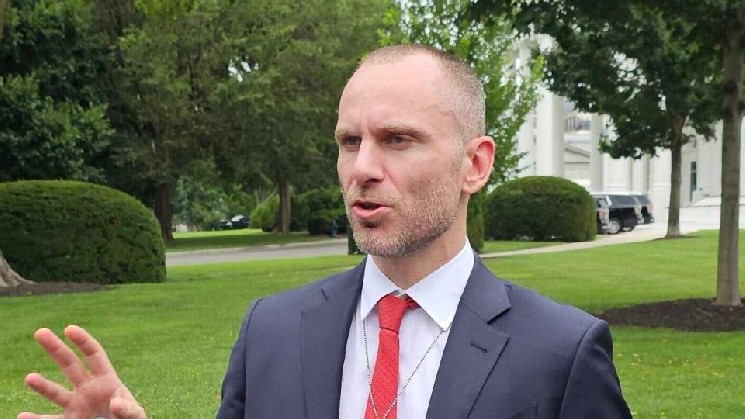
In a move that underscores the shifting geopolitics of global finance, Bolivia is actively evaluating the integration of Tether’s USD stablecoin (USDT) into its national payment rails. Just years after enforcing a draconian ban on all digital currencies, the landlocked Andean nation is pivoting toward a pragmatic, state-regulated embrace of decentralized assets. The announcement, delivered by Economy Minister José Gabriel Espinoza during a press conference in La Paz, marks a historic milestone in Latin America’s evolving relationship with digital finance. Rather than viewing cryptocurrencies as speculative instruments threatening sovereign fiat, Bolivian policymakers are increasingly looking to stablecoins as potential tools for economic stabilization, cross-border settlement, and domestic commerce. The proposal represents a sophisticated regulatory turn, reflecting a broader regional trend where emerging economies seek alternative liquidity channels to bypass dollar shortages and legacy banking bottlenecks.
Redefining the Monetary Trio
Under the proposed modernization framework, the national economic team is examining whether USDT can actively circulate alongside the Bolivian boliviano and the traditional greenback. Far from a hasty declaration of legal tender, the initiative remains under rigorous technical evaluation by central bank economists and financial system superintendents. According to reports from the respected local news outlet La Razón, the administration has purposely avoided rushing into unilateral decrees. Instead, they are prioritizing a systematic diagnostic phase to understand how pegged digital assets interact with national monetary aggregates. If implemented, this hybrid model would not replace the sovereign currency but would establish a regulated, multi-tier system. This structure would offer local merchants, importers, and everyday citizens a reliable digital proxy to the cash-based dollar—effectively bridging the gap between local retail networks and the global digital economy.
Building the Pipelines for Digital Liquidity
The operationalization of this monetary strategy hinges on the creation of a robust, state-monitored digital infrastructure. Minister Espinoza emphasized that financial authorities are currently drafting comprehensive operational guidelines designed to govern commercial banks, payment processors, and domestic digital wallets. This framework aims to demystify stablecoin interactions for legacy financial institutions, transforming what was once a gray-market activity into a transparent, secure, and tax-compliant banking channel. By formalizing these pathways, Bolivia hopes to lower the cost of inbound remittances, streamline international trade settlements for small and medium-sized enterprises, and reduce the systemic demand for physical paper currency. The ultimate goal is a frictionless payment ecosystem where public and private actors can transition between digital ledger technology and traditional bank ledgers without friction.
Navigating Regulatory Hurdles and Global Compliance
Bolivia’s path toward digital integration is not without significant friction. The country remains under intense international scrutiny due to its inclusion on the Financial Action Task Force (FATF) “gray list,” a classification reserved for jurisdictions with material deficiencies in their anti-money laundering (AML) and counter-terrorist financing (CFT) systems. Integrating a highly liquid digital asset like USDT—which has faced international scrutiny regarding its reserve transparency and use in illicit gray-market trade—demands that La Paz build world-class compliance systems. Consequently, the technical review focuses heavily on deploying sophisticated chain-analysis tools, establishing strict Know-Your-Customer (KYC) thresholds for digital check-ins, and creating direct communication lines between fintech platforms and state regulators. To gain the trust of international banking partners, Bolivia must prove it can police its new digital borders effectively, ensuring that its turn toward stablecoins does not turn into an unregulated corridor for illicit capital flight.
The Statistical Reality of an Unchecked Crypto Boom
The government’s policy pivot is not driven by theoretical interest, but rather by the realities of domestic market demand. Since the Central Bank of Bolivia (BCB) rescinded its blanket ban on crypto transactions in June 2024, digital asset adoption has grown rapidly across the country. Official central bank data reveals an extraordinary surge in transactions, with volume exploding from $46.5 million in the first half of 2024 to a staggering $294 million during the comparative period following the deregulation. This represents a monumental 630% increase in transactional throughput. Deprived of easy access to physical greenbacks amid domestic foreign reserves pressure, Bolivian businesses and consumers have voted with their smartphones. For many, stablecoins have become an essential medium of exchange and a reliable store of value, serving as a critical safety valve for an economy hungry for dollar-denominated liquidity.
A Regional Blueprint for the Future of Sovereign Finance
As technocrats in La Paz continue to refine the legal and technical boundaries of this proposal, Bolivia is positioning itself as a compelling test case for the developing world. Its journey from absolute prohibition to pragmatic regularized adoption demonstrates a growing realization among sovereign states: digital assets cannot be banned out of existence, but they can be governed to serve national economic interests. Should the integration of USDT into the national payments grid prove successful, it could provide a functional blueprint for other developing economies grappling with foreign exchange liquidity constraints and high remittance costs. By building a balanced legal framework that satisfies international regulatory bodies while unlocking the benefits of blockchain technology, Bolivia aims to transform its financial system—bringing an isolated economy closer to the frontier of international digital commerce.