





The Midnight Recovery: How a Geopolitical Breakthrough Revived Bitcoin’s Weekend Slump
Geopolitics in the Digital Age: Bitcoin’s Midnight Swoon and the Truth Social Catalyst
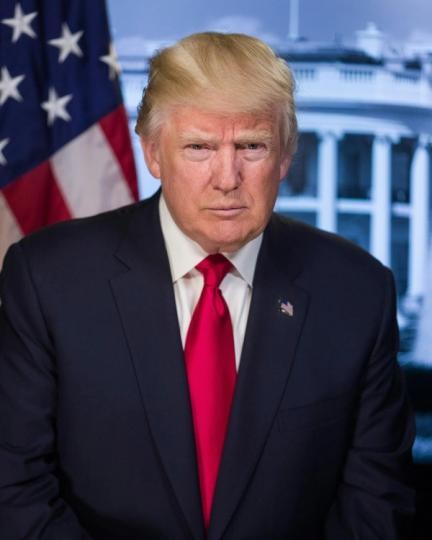
The global financial ecosystem received a stark reminder of the hyper-reactive nature of modern digital assets during the quiet hours of the weekend, when Bitcoin exhibited a dramatic round-trip price correction that perfectly mirrored the volatile theater of international diplomacy. Late Friday evening into early Saturday morning, a wave of systematic selling pressure swept through the cryptocurrency market, dragging the premier digital asset down by approximately four percent as thin weekend liquidity amplified the downward momentum and triggered a cascading series of leveraged liquidations. This market distress pushed Bitcoin to the brink of a dangerous technical breakdown, with spot prices tumbling toward the critical $74,000 threshold as traders braced for an escalation of long-standing geopolitical friction points in the Middle East. However, the narrative shifted with remarkable speed following an unexpected public statement from President Donald Trump, who announced via his social media platform, Truth Social, that a sweeping, multi-nation peace agreement was nearing finalization. Written with characteristic dramatic flair, the president’s post declared that an agreement had been largely negotiated—subject to finalization—among the United States of America, the Islamic Republic of Iran, and various other regional powers, instantly transforming global market sentiment. Within minutes of this digital broadcast, algorithmic trading desks and retail speculators alike flooded the order books with buy orders, sparking a massive short squeeze that catapulted Bitcoin past its pre-crash levels to peak at an impressive $76,700, underscoring the asset’s unique position as a real-time, non-stop barometer of global geopolitical stability.
Bitcoin Price Volatility Timeline (Weekend Slide & Recovery)$77,000 | –*** [Recovery Peak: $76,700]
| –
$76,000 | –
| –
$75,000 | *— – <– Trump Truth Social Announcement
| – – (Strait of Hormuz Opening)
$74,000 | – –
| ** [Market Bottom: ~$74,000]
+————————————————————————
Friday Night Saturday Morning
Unpacking the Accord: The Strait of Hormuz and the Path to De-escalation
At the heart of the market’s euphoric reversal lies the immense economic and strategic significance of the geographic region addressed in President Trump’s sudden administrative dispatch: the Strait of Hormuz. Serving as the world’s most critical maritime oil transit chokepoint, the narrow waterway separating the Persian Gulf from the Gulf of Oman handles more than twenty percent of the global petroleum consumption daily, making any threat of its closure an existential hazard to international supply chains and energy security. By explicitly stating that “the Strait of Hormuz will be opened” as a foundational pillar of this newly brokered multilateral accord, the emerging diplomatic framework directly resolves one of the most persistent tail risks plaguing global trade and energy markets. For years, the threat of Iranian maritime interdictions, state-sponsored drone strikes, and retaliatory naval blockades in the strait had forced shipping conglomerates to pay exorbitant war-risk insurance premiums, costs that were inevitably passed down to global consumers in the form of elevated energy inflation. The prospect of a comprehensive treaty between Washington, Tehran, and their respective regional adversaries not only de-escalates the threat of an immediate kinetic conflict but also promises to restore a normalized flow of maritime commerce through the Arabian Peninsula. By removing this systemic premium on energy and shipping, the proposed agreement alleviates a massive burden on global supply chains, fostering a macro environment where capital can confidently rotate out of defensive hedges and directly into risk-on assets such as technology equities, high-yield corporate debt, and cryptocurrency networks.
The New Safe-Haven Dynamic: Decentralized Assets as Geopolitical Barometers
This rapid weekend recovery highlights a fundamental shift in how Bitcoin is perceived, transacted, and valued by the global investment community during times of acute international crises. Traditionally, precious metals like physical gold and sovereign treasury bonds served as the exclusive safe havens of choice when geopolitical tensions flared, allowing capital to rest securely while equity markets remained closed over the weekend. However, because traditional equity and debt exchanges observe rigid, legacy operational hours, the global financial system is essentially blind to breaking news that occurs between Friday evening and Monday morning, leaving a dangerous information gap that can only be filled by decentralized, 24/7 digital assets. Over the last several years, Bitcoin has evolved to occupy a dual identity: it behaves as a highly speculative, liquidity-sensitive technology play during periods of economic expansion, yet rapidly transforms into a hyper-sensitive, real-time geopolitical pulse-taker when global shipping, energy, or diplomatic corridors are threatened. When foreign policy risks escalate, algorithmic market-making bots and institutional trading engines scrape social media platforms, wire services, and satellite data feeds in milliseconds, translating political developments directly into spot price adjustments long before traditional fiat brokers can even turn on their computers. The dramatic bounce from $74,000 back up to $76,700 signifies that rather than viewing cryptocurrency as an isolated, speculative playground, the broader investing world now treats Bitcoin as the premier, highly sensitive nervous system of global macroeconomics, responding instantaneously to the ebb and flow of planetary peace.
The Trump Doctrine on Crypto: Policy, Nationalism, and the Strategic Reserve
To fully comprehend the structural strength of Bitcoin’s recovery following the President’s announcement, one must examine the event through the lens of the Trump administration’s broader national economic and regulatory policy toward the digital asset industry. Throughout his recent campaign and subsequent return to office, Donald Trump has orchestrated a complete pivot from his previous skepticism, positioning his administration as the primary political champion of blockchain technology and proposing the establishment of a historic U.S. National Strategic Bitcoin Reserve. By aligning his administration’s economic nationalism with the growth of decentralized finance, the president has effectively tied the regulatory safety and institutional adoption of digital currencies to the broader economic success of the United States. When geopolitical breakthroughs are announced directly by a sitting president who has openly advocated for digital assets, the market perceives a dual layer of validation: first, the calming of international macro risks, and second, the reinforcement of an administration that actively fosters a friendly domestic regulatory landscape for web3 development and institutional capital accumulation. The utilization of Truth Social as the primary vector for global diplomatic announcements bypasses traditional, highly curated media channels, creating an unprecedented administrative feedback loop where high-stakes statecraft is broadcast directly to retail and institutional traders in real time, driving immediate, unmoderated liquidity surges that redefine the boundaries between executive authority and free-market asset pricing.
              ┌────────────────────────────────────────┐
              │ Geopolitical De-escalation Announcement│
              └───────────────────┬────────────────────┘
                                  │
                                  ▼
              ┌────────────────────────────────────────┐
              │    Alleviation of Global Energy and    │
              │        Supply Chain Bottlenecks        │
              └───────────────────┬────────────────────┘
                                  │
                                  ▼
              ┌────────────────────────────────────────┐
              │ Lower Risk Premium & Inflation Relief  │
              └───────────────────┬────────────────────┘
                                  │
                                  ▼
       ┌──────────────────────────┴──────────────────────────┐
       ▼                                                     ▼
┌────────────────────────────────────┐ ┌────────────────────────────────────┐
│ Rebound in Traditional Financial │ │ Rapid Re-entry of Capital into │
│ Markets (Monday Morning Equities) │ │ Non-Stop Digital Risk-On Assets │
└────────────────────────────────────┘ └────────────────────────────────────┘
Energy, Logistics, and Global Markets: The Macroeconomic Symphony
The broader macroeconomic implications of this pending diplomatic agreement stretch far beyond the immediate confines of the cryptocurrency sector, promising to trigger a major realignment of traditional asset valuations when global equity and commodities exchanges open for the trading week. Under normal circumstances, any prolonged military blockade or threat of maritime disruption in the Strait of Hormuz acts as a severe inflationary shock, forcing central banks like the Federal Reserve to maintain restrictive, high-interest-rate policies to combat the rising cost of imported goods and refined fuel products. By removing the threat of an energy supply crisis through systemic diplomacy, this proposed agreement effectively dampens global inflationary expectations, giving central bank policymakers the necessary economic breathing room to pursue more accommodative monetary policy paths, including potential interest rate cuts. A weaker inflationary outlook lowers yields on sovereign debt, stabilizes fiat currencies, and lowers the cost of capital for multinational corporations, creating a highly favorable domestic environment for corporate expansion and retail investment alike. Additionally, the physical opening and sustained security of critical shipping lanes mean that maritime transport giants can discard expensive detour routes around the southern tip of Africa, immediately restoring efficiency to global logistics networks. As transport costs normalize and the risk premium of international joint ventures declines, the resulting wave of institutional risk tolerance naturally funnels surplus liquidity back into high-performing capital markets, directly benefiting highly liquid, risk-sensitive assets like Bitcoin.
The Road Ahead: Navigating Volatility in an Interconnected Financial Frontier
As the digital ink dries on President Trump’s social media declaration, the global investment community must prepare to navigate a highly complex, interconnected financial landscape where the traditional walls between political diplomacy, social media communication, and algorithmic trading have permanently collapsed. While the immediate recovery of Bitcoin to $76,700 demonstrates the incredible resilience and deep liquidity of the modern digital asset ecosystem, it also exposes the profound volatility that can be unleashed by a single post of 280 characters or less. Institutional asset managers, sovereign wealth funds, and private family offices must now integrate sophisticated social-listening algorithms and real-time narrative analysis systems into their risk-mitigation frameworks, recognizing that geopolitical events are no longer slow-moving geopolitical dramas, but lightning-fast market catalysts. This episode serves as an important blueprint for the future of global finance, illustrating a world where decentralized currencies act not just as alternative stores of value, but as the active, hyper-sensitive economic nervous system of our planet. As the geopolitical landscape continues to evolve under the influence of unconventional leadership and unprecedented digital connectivity, those who can decipher the complex relationship between global peace treaties, energy market logistics, and decentralized capital flows will find themselves uniquely positioned to manage risk and build wealth in this unpredictable, non-stop financial frontier.