






Binance.US Slashes Spot Trading Fees to Near Zero, Aiming to Capture American Crypto Traders Amid Market Shifts
In a bold move that could reshape the competitive landscape of cryptocurrency trading in the United States, Binance.US has announced a dramatic reduction in spot trading fees, pegging them at near zero. This strategic shift comes at a time when the crypto industry is grappling with regulatory scrutiny, fluctuating market sentiments, and an ever-growing push for accessibility. As one of the key players in the digital asset space, Binance.US’s decision reflects broader industry trends toward user-friendly platforms, but it also underscores the challenges of maintaining profitability in a field marked by rapid innovation and external pressures. For American investors who have historically faced some of the highest fees, this announcement signals a potential turning point, enticing them to explore more cost-effective alternatives for buying and selling cryptocurrencies.
Delving into the specifics, the exchange’s new pricing model targets both efficiency and affordability, particularly for spot trading—a core component of day-to-day crypto transactions where assets are bought and sold at current market prices. According to officials from Binance.US, transaction fees for all digital assets listed on the platform have been slashed to what they describe as “near zero.” Breaking it down, the new structure implements a 0% maker fee for transactions that add liquidity to the order book, meaning traders who place limit orders that wait to be filled benefit from zero commissions. On the other hand, taker orders—those that immediately execute against existing orders and thus remove liquidity from the market—now incur just a 0.02% fee. This nuanced approach rewards strategic trading behaviors, encouraging users to engage more actively with the platform. For context, spot trading involves immediate settlements and is a staple for individual investors looking to capitalize on market fluctuations without the complexity of derivatives. By minimizing these costs, Binance.US is addressing a longstanding gripe among crypto enthusiasts: the exorbitant fees that can erode profits in volatile markets. Experts in financial technology suggest that such low fees could democratize access to trading, allowing smaller investors to participate without the burden of high commissions that often favor institutional players. This isn’t just about savings; it’s a recalibration of how digital exchanges operate, potentially lowering the barriers to entry for newcomers in a sector that’s already seen explosive growth.
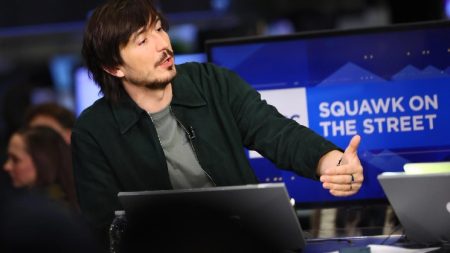
Stephen Gregory, a spokesperson for Binance.US, articulated the rationale behind this overhaul during a recent press briefing, emphasizing the exchange’s commitment to regulatory compliance and cost-effectiveness. “American crypto investors have long been paying high fees,” Gregory remarked, his voice steady and confident in an industry rife with skepticism. “We are demonstrating that a regulated platform can also be the most cost-effective.” This statement carries weight, coming from a figure closely tied to Binance.US’s operational ethos. It highlights the paradox many investors face: balancing security and oversight with financial freedom. Gregory’s words echo the sentiments of countless users who have voiced frustrations on online forums and social media, where complaints about fee structures dominate discussions. Beyond the surface, this initiative positions Binance.US as a disruptor in a market dominated by big names. By aligning fees closer to traditional brokerage models—where commissions are often negligible—Gregory’s comments suggest a strategic pivot to attract retail traders wary of high costs. Analysts believe this could foster loyalty, as users increasingly prioritize platforms that blend innovation with practicality. In the grand tapestry of cryptocurrency evolution, such statements are more than marketing; they’re signposts for a maturing industry where education and affordability drive adoption.
The implications of Binance.US’s fee reduction extend beyond its own user base, potentially exerting pressure on rival exchanges across the United States. Platforms like Coinbase, a long-standing leader in the American market, currently impose transaction fees that vary based on trade size and volume, often resulting in higher costs for smaller trades. For instance, Coinbase’s taker fees can edge above 0.5% for less active users, a stark contrast to Binance.US’s new 0.02% model. This discrepancy could prompt a broader reevaluation within the sector, as competitors scramble to retain market share. The cryptocurrency industry has frequently drawn criticism for its fee structures, which some argue stack the deck against everyday investors compared to the low or zero-commission models prevalent in traditional stockbrokerage, such as those offered by firms like Charles Schwab or Robinhood. Environmental concerns, too, intersect here; lower fees might indirectly encourage more trading activity, raising questions about the energy consumption of blockchain networks. Yet, for many experts, this move by Binance.US is a positive catalyst, potentially driving innovation and forcing rivals to adopt similar user-centric policies. As the market matures, observers anticipate a race to the bottom on fees, benefiting a wider audience and bolstering the industry’s reputation as a transparent alternative to conventional finance.
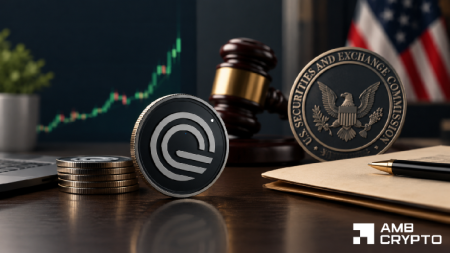
To understand the significance of this fee cut, it’s essential to trace Binance.US’s journey in America’s crypto landscape. Founded in 2019 as a U.S.-centric arm of the global Binance exchange, the platform has faced an uphill battle from the outset. Originally envisioned as a gateway for American traders, it hasn’t matched the towering trading volumes of its international counterpart, where billions in daily transactions are commonplace. Current data highlights this disparity, with Binance.US registering modest daily volumes compared to industry giants. The exchange’s trajectory took a hit in 2023 when it was embroiled in a high-profile lawsuit filed by the U.S. Securities and Exchange Commission (SEC), alleging regulatory violations that led to temporary halts on new user registrations and disruptions in operations. This legal skirmish underscored the precarious balance between innovation and compliance in a heavily scrutinized field, prompting Binance.US to invest heavily in legal defenses and internal reforms. Ironically, the dismissal of the case in late 2024 has paved the way for renewed optimism, including the reinstatement of USD transactions that were restricted during the litigation. Against this backdrop, the new fee policy emerges as a calculated step toward resurgence, aimed at revitalizing growth in a market still recovering from broader economic uncertainties, such as inflationary pressures and fluctuating interest rates that impact investor appetite for risky assets.
Looking ahead, Binance.US’s wiggle room is positioning itself to capitalize on emerging trends in digital finance, potentially reshaping how Americans navigate the world of cryptocurrencies. With the lawsuit behind them and fees slashed, the exchange is poised for expansion, targeting a demographic hungry for affordable and regulated trading options. Industry watchers predict this could spur a wave of new sign-ups, especially among millennials and Gen Z investors drawn to crypto’s volatility and potential returns. However, challenges persist, including competition from established names and the ever-present risks of market crashes that have battered investor confidence. Regulatory hurdles might loom larger still, as agencies like the SEC continue to monitor platforms for fair play. For Binance.US, success hinges on sustaining this momentum, perhaps through technological upgrades or partnerships that enhance user experience. As the cryptocurrency ecosystem evolves, this fee reduction serves as a reminder of the sector’s adaptability, bridging the gap between cutting-edge technology and everyday usability. In pursuing its goals, Binance.US isn’t just cutting costs—it’s reimagining the future of accessible finance in America.
*This is not investment advice. Always conduct your own research or consult a financial professional before engaging in any investment activities. Market conditions can change rapidly, and past performance is not indicative of future results. Cryptocurrency investments carry significant risks, including the potential for total loss of capital.