




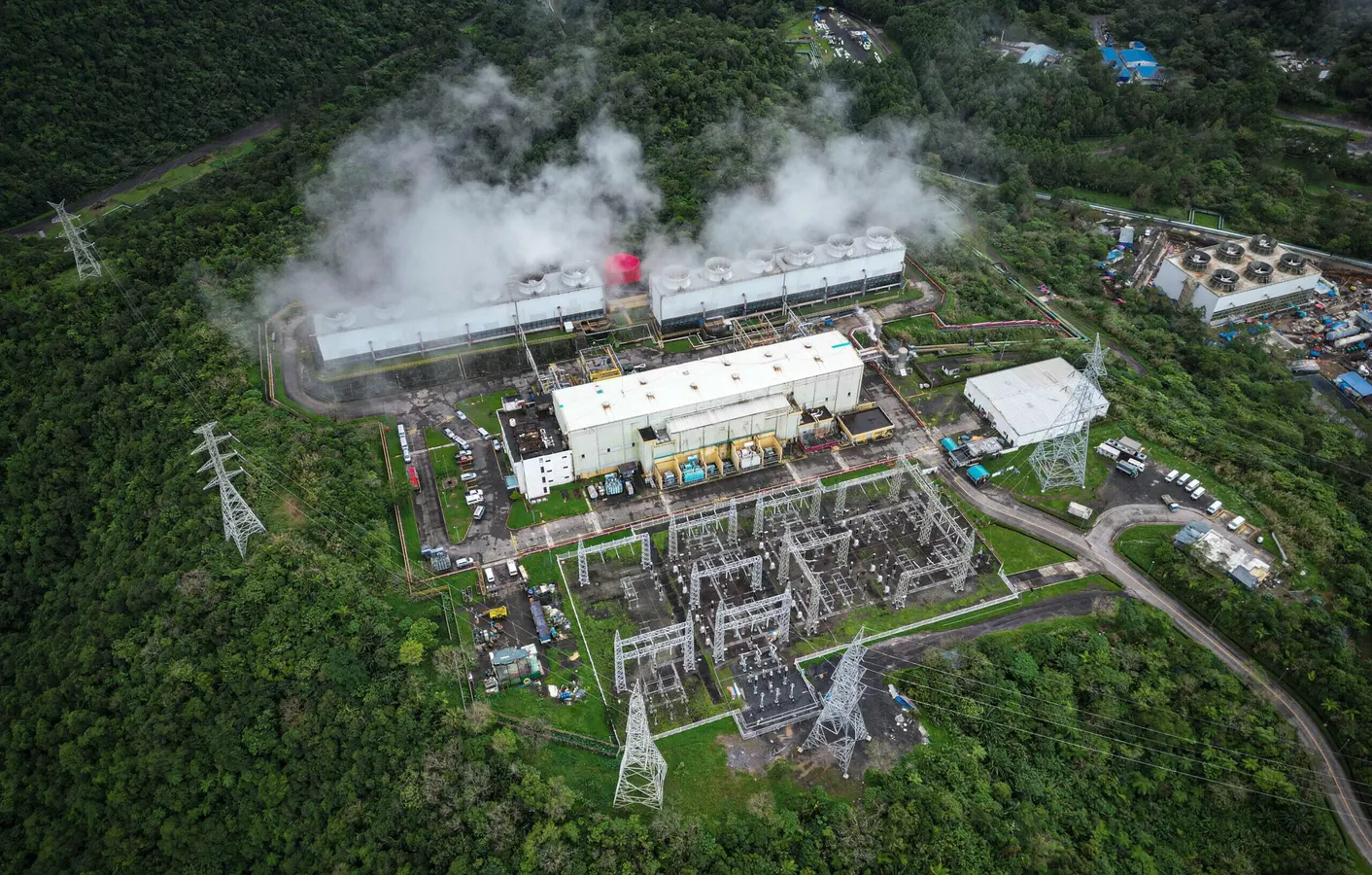
Under the visionary leadership of Indonesian billionaire Prajogo Pangestu, Jakarta-listed Barito Renewables Energy is embarking on an ambitious quest to acquire Energy Development Corp. (EDC), the premier geothermal powerhouse in the Philippines. This daring, unsolicited bid values the target company at an astronomical $5 billion, signaling a massive consolidation wave within Southeast Asia’s clean energy sector. While Barito’s indicative, non-binding expression of interest marks a definitive milestone, the transaction remains in its infancy, contingent upon rigorous due diligence and a web of regulatory approvals. The market reacted with immediate enthusiasm to the news, fueling a massive 18.4% surge in the shares of First Gen Corp., the Manila-listed holding firm that controls the geothermal giant, showing just how hungry investors are for green energy megadeals.
Despite the intense buzz surrounding the potential acquisition, First Gen has maintained a cautious and measured stance. Controlled by the prominent Lopez family—led by patriarch Federico Lopez—First Gen quickly clarified to the public and regulators that no formal negotiations have commenced, no agreements have been signed, and the company has not yet retained financial advisors to evaluate the proposal. EDC, which transitioned from state ownership to the Lopez family’s portfolio back in July 2007, represents the crown jewel of the Philippines’ green energy infrastructure. The company boasting an impressive portfolio of sixteen geothermal power plants with a combined capacity of over 1,300 megawatts, alongside a growing suite of hydroelectric, wind, and solar facilities. This immense, reliable base-load renewable capacity is precisely what makes EDC an incredibly attractive asset for regional titans like Pangestu, who are rushing to dominate the post-coal landscape.
For Pangestu, whose personal fortune is estimated at a staggering $15.4 billion, this multi-billion-dollar play is the latest chapter in a breathtaking transformation from a timber baron into Indonesia’s preeminent green energy pioneer. His holding company, Barito Renewables, already dominates its domestic market through Star Energy Geothermal, which operates massive projects in West Java. Not content with domestic dominance, Pangestu has spent the last few years aggressively expanding his regional footprint. This includes forging high-profile alliances with other Filipino tycoons, such as a wind energy partnership with Jaime Augusto Zobel de Ayala’s ACEN, while simultaneously acquiring massive downstream oil and petrochemical assets in Singapore from multinational giants like Shell and ExxonMobil. This latest bid for EDC cements his reputation as a relentless dealmaker determined to control the ecological transition across the entire ASEAN region.
On the other side of the negotiating table, the Lopez family represents one of the most resilient and storied industrial dynasties in the Philippines, with a net worth of $285 million. While their business empire spans real estate and power generation, they have faced significant headwinds in recent years, most notably the devastating 2020 government shutdown of their media giant ABS-CBN. In the wake of those political and financial challenges, the family has increasingly anchored its legacy on sustainable development, positioning First Gen and EDC as champions of the Philippines’ transition to clean energy. Selling a prize asset like EDC would provide the Lopezes with an unprecedented capital windfall, but it would also mean parting with the very core of their contemporary corporate identity, setting up an intriguing negotiation dynamic.
This blockbuster proposal highlights a broader, unstoppable trend where local energy markets in Southeast Asia are rapidly consolidating into a playground for regional conglomerates. Indonesia and the Philippines, situated along the volcanic Ring of Fire, possess some of the world’s richest geothermal reserves, making them prime territory for green energy developers. As both nations face mounting international pressure to phase out coal and reduce carbon emissions, established geothermal assets like those owned by EDC have become incredibly rare and valuable. A successful merger between Barito and EDC would create an undisputed regional green energy champion, combining Indonesia’s leading capacity with the Philippines’ premier operations to dominate clean power generation across Southeast Asia.
Ultimately, whether this $5 billion proposal matures into a signed merger or remains an ambitious dream depends on how the Lopez family balances financial realities with their long-term corporate legacy. Analysts expect intense behind-the-scenes discussions in the coming months, as financial advisors are inevitably brought in to dissect the valuation and feasibility of the transaction. For global onlookers and environmental advocates, the deal is a striking confirmation that the clean energy transition is no longer just an environmental necessity, but a premium playground for the region’s wealthiest and most ambitious power brokers. As Pangestu continues to flex his financial muscle, this Indonesian-Philippine courtship could very well redefine the geopolitical and ecological landscape of Southeast Asian energy for decades to come.