


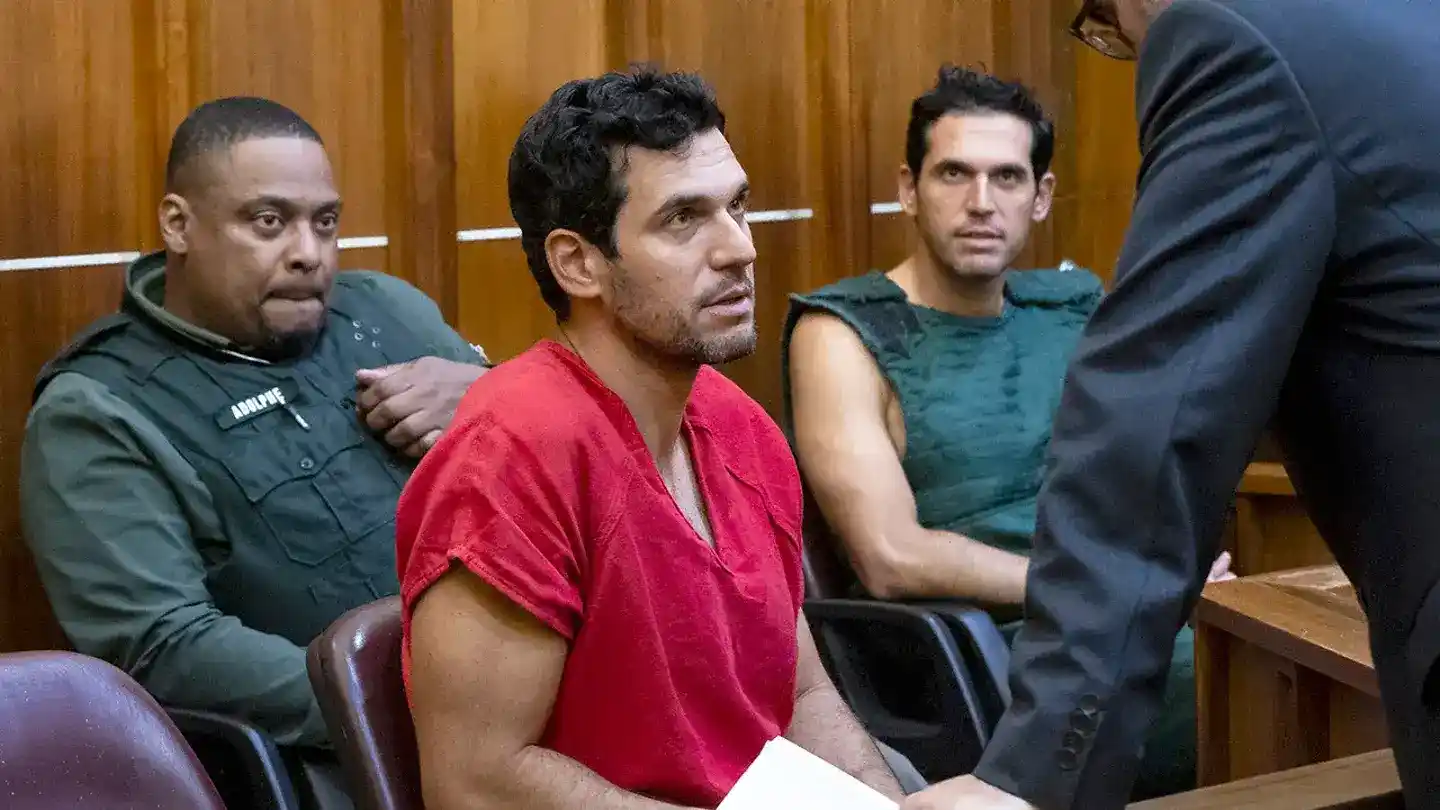
The Alexander Brothers’ Downfall: A Tale of Privilege, Justice, and Media Scrutiny
The spectacular fall of the Alexander brothers represents one of the most dramatic criminal cases to emerge from America’s elite social circles in recent memory. Tal Alexander, 40, alongside his 39-year-old twin brothers Oren and Alon, now face three decades behind bars—a stunning reversal of fortune for men who once navigated the upper echelons of luxury real estate and private security with seemingly untouchable ease. Their March conviction on conspiracy charges related to sex crimes, including incidents involving minors, sent shockwaves through the glittering world they once inhabited. The Oct. 27 sentencing to 30 years each marked not merely a legal conclusion but a profound reckoning for three men whose privilege had long insulated them from consequence. Their case illuminated uncomfortable truths about power dynamics, media influence, and the multiple systems—both legal and journalistic—that can be bent by wealth and connections.
The brothers’ guilt was established through devastating testimony that painted a picture of predatory behavior extending over years. Prosecutors revealed a sophisticated pattern of identifying vulnerable women through dating applications, exclusive clubs, and celebrity-adjacent social circles before luring them into situations where they could be isolated, drugged, and sexually assaulted—sometimes in concert with one another or other men. The courtroom heard from eleven women who testified directly about their experiences, but prosecutors indicated that more than seventy women had come forward with similar accounts of abuse. The evidence included recordings of attacks and communications between the brothers that left little room for doubt about their intentions or their coordinated efforts. Perhaps most damning was a text message from Alon Alexander referencing how he had “took down a 17 year old,” which trial observers described as the most incriminating piece of evidence presented during the proceedings. The breadth and consistency of the accounts painted a portrait of serial predation that no amount of legal maneuvering could obscure.
Yet what has emerged regarding the brothers’ efforts to shape their public image during the trial raises equally troubling questions about the intersection of money and journalism. Two independent writers now face scrutiny after the New York Times reported they accepted payments to produce favorable coverage of the wealthy defendants. Daniel Mael, who maintained a Substack newsletter covering the trial, and Frank Parlato, who publishes The Frank Report, have both denied any impropriety while also declining to fully disclose the terms of their financial arrangements with the brothers’ publicist, Juda Engelmayer. Engelmayer has acknowledged offering subsidies to journalists to ensure that defense perspectives received attention in what he characterized as an overwhelmingly hostile media environment. The publicist described reaching out to independent writers who might ask questions “that weren’t being asked elsewhere” regarding the prosecution’s narrative. This arrangement, while not inherently improper, walks a delicate line that journalism ethicists have long debated—the question of whether financial support inherently compromises editorial independence, even when no explicit quid pro quo exists.
Mael has responded to the allegations with characteristic directness, asserting that while Engelmayer offered to help subsidize his coverage costs, no one ever requested favorable treatment, dictated content, or exercised editorial control over his reporting. He emphasized in a Nov. 5 statement on X that his coverage remained entirely independent, notwithstanding the financial support he received. Mael bristled at suggestions that he criticized the prosecution witnesses’ motives, insisting he never questioned the women who testified and that his reporting simply reflected his own conclusions from observing the proceedings. Notably, some of Mael’s coverage included references to evidence that undermined the defense’s case, including that damaging text message from Alon. Similarly, Parlato maintained that he has never spoken directly to any of the Alexander brothers and that nobody sees his stories before publication, insisting he writes solely about what he believes to be true based on court records and trial proceedings. Yet the appearance of conflict remains, and the arrangement between Engelmayer and these journalists will likely continue to generate debate about the boundaries between legitimate support and covert influence in media coverage of high-profile criminal cases.
The context of the brothers’ extraordinary privilege helps explain both their behavior and their attempts to manage its consequences. Growing up in a wealthy Miami family, Oren and Tal Alexander became superstar real estate agents who sold palatial properties to celebrities and billionaires across New York, Miami, and Aspen. Their twin bond and seemingly limitless connections opened doors that remained closed to others—private jets, super yachts, exclusive parties where the powerful and beautiful gathered. Alon worked as an executive at the family’s Kent Security company, providing another avenue into elite circles. These were not struggling operators trying to climb the social ladder but men who had already reached its summit, and prosecutors argued they used that position as a hunting ground. Their attorney acknowledged at sentencing that they expressed regret over past behavior, though they continued to deny the specific allegations of drugging, rape, and trafficking. The brothers maintained their innocence even as they faced the prospect of spending most of their remaining lives incarcerated.
For the women who came forward, the case represented a hard-won victory in the face of significant obstacles. The brothers’ access to powerful friends and substantial resources allowed them to attempt to silence accusers through various means, according to lawyers involved in related litigation. The civil suits now proceeding against them represent another avenue toward accountability and potential compensation for harms suffered. The psychological toll of testifying publicly about such intimate violations, compounded by the knowledge that the defendants had the resources to mount aggressive challenges to their credibility, cannot be overstated. That eleven women found the courage to take the stand speaks to both their resilience and the strength of the evidence that ultimately convinced a jury of the brothers’ guilt beyond a reasonable doubt.
The sentencing itself reflected the severity of the crimes while stopping short of the life sentences prosecutors had requested. In addition to the thirty-year prison terms, Judge Valerie Caproni imposed ten years of supervised release for each brother and levied fines ranging from $300,000 to $350,000. The brothers will have substantial time to contemplate their circumstances, though the possibility of appeal remains. Their attorneys did not respond to requests for comment following the sentencing. Meanwhile, the broader questions raised by this case—about how extremely wealthy defendants can manipulate media coverage, about the vulnerabilities that allow predators to exploit their positions, about the courage required of victims to pursue justice against formidable opposition—will continue to resonate far beyond the courtroom where these three men finally faced accountability for their actions. The Alexander brothers’ case has become a cautionary tale about the corrupting influence of unchecked privilege and the importance of vigilant journalism, even as it has also raised uncomfortable questions about the integrity of the very media institutions tasked with covering such matters.