



Morgan Stanley Among First Banks to Use DTCC’s New Wall Street Tokenization System for Stocks and Treasuries
The move marks a significant step toward blockchain-based trading of traditional US securities.
A Landmark Move for Wall Street
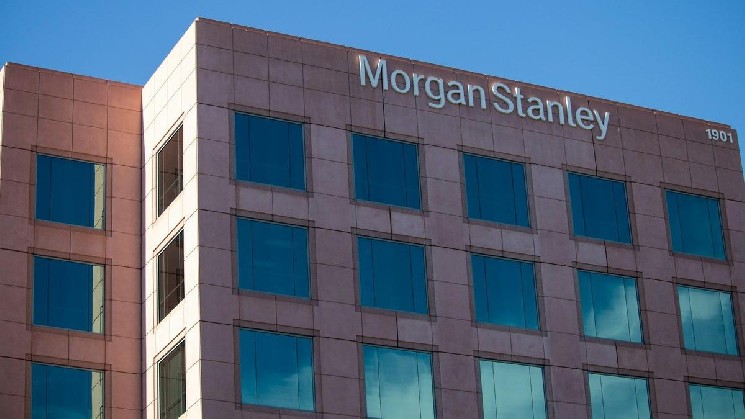
In a clear sign that blockchain technology has finally moved from the fringes of finance into the core of Wall Street, Morgan Stanley has revealed that it is among the first banks to use a new tokenization system built by the Depository Trust & Clearing Corporation, better known as DTCC. The system, called the DTCC Tokenization Service, or DTS, turns US stocks and Treasuries into digital versions that can be traded directly on a blockchain. Morgan Stanley made the announcement in a post on X, saying it had begun tokenization after the service went live on Oct. 28. For an institution that sits at the heart of global capital markets, this is more than a symbolic gesture. It is a practical step toward a future in which traditional securities and digital assets operate side by side. DTCC is the central infrastructure that clears and settles the vast majority of US stock and bond trades, so its decision to launch a tokenization service carries enormous weight. Morgan Stanley’s early adoption of that service gives the bank a front-row seat to the transformation of the very market plumbing on which American finance depends. The move also signals to the rest of the industry that tokenized securities are no longer an experimental idea. They are becoming part of the operational reality of major financial institutions.
Inside the DTCC Tokenization Service
At the core of the new service is a straightforward but profound idea: take securities that already exist inside the traditional financial system and create digital representations of them that can move freely on a blockchain. Under DTS, the Depository Trust Company, DTCC’s subsidiary responsible for holding the vast majority of US securities, mints tokens that represent the stocks and Treasuries it already has in custody. Those tokens are not new assets. They carry the same ownership rights and investor protections as the original securities, and they can be swapped back into the traditional form at any time. This two-way convertibility is one of the most important features of the system. A bank like Morgan Stanley can take a Treasury bond held in the depository and convert it into a token, move that token to a digital wallet, or trade it on a blockchain network, and then convert it back when needed. The aim is to give institutions the efficiency and flexibility of digital assets while preserving the legal clarity and safety of the existing system. By building tokenization into the same infrastructure that already processes millions of trades every day, DTCC is effectively creating a bridge between the established world of regulated finance and the emerging world of blockchain. That bridge matters. Without it, banks would have to choose between two separate systems, one traditional and one digital, with all the complexity and risk that such a divide would create.
Why Tokenization Is a Game Changer
To understand the significance of this development, it helps to look at what tokenization actually changes. In traditional markets, stocks and Treasuries exist as book-entry records, maintained by central depositories and moved through a settlement system that operates during market hours and can take days to complete. Tokenization replaces that model with a digital token on a blockchain, a shared ledger that can operate around the clock. The practical consequences are considerable. Trading no longer has to stop when the closing bell rings. Settlement can be completed in minutes or even seconds rather than days. Ownership can be tracked more transparently, and assets can be programmed to perform certain actions automatically, such as distributing interest payments or transferring collateral. These may sound like incremental improvements, but for institutions that move trillions of dollars in securities every day, they add up to a major shift. Tokenized securities can also be fractionated, making it easier to access assets that were previously difficult to divide. And because blockchain networks can connect participants directly, tokenization has the potential to reduce the layers of intermediaries that make modern finance slow and expensive. None of this happens overnight, of course. The infrastructure is new, the standards are still being written, and the market for tokenized securities is only beginning to take shape. But the direction is clear. By converting real securities into digital tokens, Morgan Stanley is positioning itself at the leading edge of a trend that could redefine the way Wall Street works.
Morgan Stanley’s Digital Asset Playbook
Morgan Stanley’s participation in DTS is not a casual experiment. The bank has spent years developing its digital asset capabilities, and this move fits into a broader strategy to integrate blockchain technology into its core businesses. By being among the first banks to use the new service, Morgan Stanley gains something that cannot be acquired from white papers or pilot projects: real operational experience. That point was underscored by Amy Oldenburg, the bank’s head of digital assets strategy. “The hands-on experience of integrating tokenized securities with established market infrastructure will inform the continued development of the firm’s digital asset capabilities as the market evolves,” Oldenburg said. The choice of words is telling. Oldenburg is not describing a flashy product launch or a short-term experiment. She is describing a learning process, one that will shape the bank’s strategy for years to come. For Morgan Stanley, tokenization is not just about being first. It is about understanding how digital assets interact with the systems, regulations, and client demands that define modern finance. That understanding will inform decisions about everything from which assets to tokenize to how to manage risk in a 24/7 trading environment. It also signals to the rest of the industry that Morgan Stanley is serious about digital assets and intends to be a leader rather than a follower in the next phase of market infrastructure.
An Industry at an Inflection Point
Morgan Stanley’s move comes at a moment when the broader financial industry is starting to embrace tokenization with growing confidence. Asset managers, banks, and even government issuers have been exploring ways to bring real-world assets onto blockchain networks. Tokenized money market funds have already attracted significant investor interest, and a number of institutions have issued digital bonds on regulated platforms. The potential market is enormous. Industry analysts have projected that the value of tokenized assets could grow into the trillions of dollars over the next decade, driven by demand for greater efficiency, transparency, and accessibility. What has been missing, until now, is the kind of institutional-grade infrastructure that would allow large banks to participate at scale. DTCC’s Tokenization Service is designed to fill that gap. Because it operates within the existing depository and settlement framework, DTS gives banks a way to experiment with blockchain without stepping outside the regulatory boundaries that have long defined their industry. Morgan Stanley’s decision to be among the first to use the service is therefore a powerful signal. It suggests that the biggest players in finance are no longer content to wait on the sidelines. They are moving into tokenization because they believe it will become a fundamental part of how markets operate. And as more institutions follow, the network effects will make tokenized securities more liquid, more useful, and more difficult to ignore.
The Road Ahead
Even with this momentum, the path to a fully tokenized market is not without obstacles. Interoperability remains one of the greatest challenges. There are many different blockchain networks, and tokens created on one platform do not always work seamlessly on another. For tokenization to reach its full potential, the industry will need common standards that allow assets to move across networks and across borders. Liquidity is another hurdle. A tokenized security is only valuable if there are enough buyers and sellers to create a robust market, and that kind of depth takes time to develop. Regulatory frameworks are also still evolving, particularly in areas like cross-border transactions, custody, and the treatment of digital assets under existing securities laws. Yet the fact that these challenges are being discussed in the context of a live service like DTS is itself a sign of progress. Morgan Stanley’s early adoption of the system is not a declaration that the future is already here. It is an acknowledgment that the future is coming, and that the institutions which start preparing today will be better positioned to thrive when it arrives. The quote from Amy Oldenburg captures that mindset well. The hands-on experience gained through DTS will not only shape Morgan Stanley’s next moves; it will also contribute to the broader evolution of digital assets in mainstream finance. As the market evolves, the firms that have put in the work, built the infrastructure, and tested the boundaries will be the ones that define what comes next. With its entry into DTCC’s tokenization service, Morgan Stanley has made it clear that it intends to be one of those firms.