


Paragraph 1: The Big Perk-Up
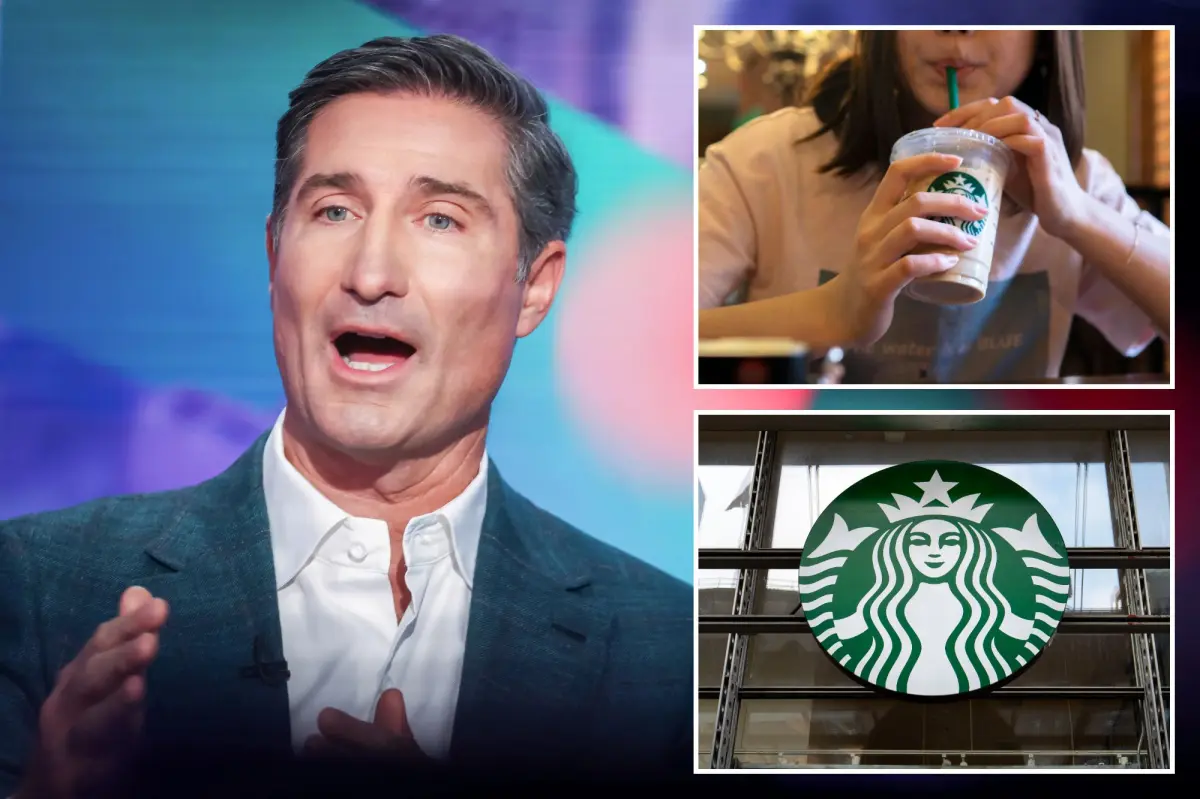
For a company that practically invented the art of the daily caffeine ritual, the past few years have felt a bit like a lukewarm cup of joe — not terrible, but certainly not the jolt it once delivered. That’s why the latest financial forecast from Starbucks feels like a fresh, hot pour. The Seattle-based coffee giant announced that it expects annual profits to come in above what Wall Street had penciled in, a clear sign that the aggressive two-year overhaul led by CEO Brian Niccol is finally starting to brew some meaningful results. Investors, who have been watching Niccol’s every move since he took the helm, immediately perked up at the news, even as they scrutinized the finer print. The forecast isn’t just a number; it’s a declaration that the company’s “Back to Starbucks” strategy is no longer a desperate rescue mission. According to Niccol, the turnaround phase is officially over, and what lies ahead is a growth story. He repeated that message multiple times on the earnings call, almost as if trying to convince himself as much as the analysts listening in. Alongside that bullish outlook, the company also announced plans to deploy about $1 billion toward share repurchases — a classic move to signal confidence in the future. For the millions of regulars who’ve patiently waited through longer lines and occasional menu misses, this is the closest thing to a green light that the beloved coffeehouse is reclaiming its mojo.
Paragraph 2: The Two-Year Grind
You don’t turn around a ship the size of Starbucks overnight, and Niccol knows that better than anyone. Over the past twenty-four months, he’s been methodically stripping away the layers of complexity that had made the café experience feel more like a bureaucratic puzzle than a pleasure. That meant simplifying menus to highlight the classics, boosting staffing levels so baristas aren’t sprinting, and trimming painfully slow wait times that had become a viral complaint on social media. These operational tweaks have helped stabilize sales growth, but the company hasn’t stopped at the front counter. Behind the scenes, Starbucks has been aggressively restructuring its costs — including painful layoffs and the shuttering of underperforming stores — to free up capital for what Niccol calls a “reinvigoration” of the brand. The goal, in part, is to offset nearly $500 million in new labor investments, which include better training, higher wages for some roles, and more hours for seasoned partners. The logic is straightforward: happy, well-supported baristas make better drinks and create the kind of warm, third-place atmosphere that is Starbucks’ true competitive edge. Niccol framed the effort as a holistic repair job, not just about profit margins but about rebuilding the emotional connection with customers. And while the downsizing has been tough on some employees, Niccol insists the leaner structure is necessary for the company to move faster and more efficiently. Now, with the worst of the reorganization seeming to be behind them, the focus is shifting from survival to momentum.
Paragraph 3: The Numbers That Matter
If the strategy is the story, then the quarterly numbers are the punctuation. In the fourth quarter, global same-store sales jumped 7.2% — a massive beat over analysts’ expectations of just 5.4%. Adjusted earnings per share came in at 80 cents, comfortably above the 72-cent estimate. Those are the kinds of figures that make investors sit up a little straighter, especially in a time when many consumer brands are struggling to maintain volume. For the full fiscal year, Starbucks guided for adjusted earnings per share of $3.15 to $3.25, which brackets the consensus estimate of $3.14. On the surface, that’s only a hair above expectations, but given the economic headwinds and the cost of its own transformations, it amounts to a confident declaration of sustainable profitability. The company also underscored its financial health by greenlighting that $1 billion share repurchase program — a move that typically boosts earnings per share by reducing the float, and more importantly, signals that management believes its stock is undervalued. But not everything glistens. The revenue forecast was actually a bit messy: the company expects a 1% decline in annual revenue, largely because of the bookkeeping hit from its deal in China. That’s a notable miss compared to the 1.4% increase analysts had hoped for. So while the profit picture looks rosy, the top-line numbers are clouded by strategic decisions that have short-term costs. Still, Niccol’s narrative is all about the long game, and for now, the earnings beat gives him a louder microphone.
Paragraph 4: China and the Bittersweet Sale
One of the most significant strategic pivots this year was Starbucks’ decision to sell control of its China operations to investment firm Boyu Capital, valuing that business at a cool $4 billion. For years, China was heralded as Starbucks’ growth engine — the land of endless lattes and booming middle class. But as competition intensified and post-pandemic consumer habits shifted, the region became more of a money pit than a gold mine. Niccol’s move to offload majority control wasn’t just about cutting losses; it was about partnering with someone who knows the local terrain better and could jump-start growth without Starbucks having to bleed billions into a fight it was losing. The deal, however, came with an immediate financial sting: the value transfer and associated costs are what pushed the company’s full-year revenue guidance into a projected decline. That’s why the stock dropped around 2% in extended trading despite the earnings beat — investors had to swallow the bitter with the sweet. For Niccol, it’s a classic pruning move: sacrifice a branch that’s not bearing fruit to nourish the rest of the tree. The hope is that by entrusting Chinese operations to a local specialist, Starbucks can eventually return to that market stronger than before, perhaps with a fresher brand and a more streamlined model. But for now, the failure to grow revenue overall is a sour note in an otherwise upbeat melody.
Paragraph 5: Wall Street’s Mixed Pour
The reaction from analysts and money managers was like a half-caf, half-decaf blend — split right down the middle. Michael Gunther of Consumer Edge said he was genuinely encouraged by the sales growth figures, pointing out that Starbucks has been a reliable beneficiary of “affordable indulgence” demand. In an economy where people are skipping big-ticket purchases but still want their daily treat, a $6 vanilla latte isn’t losing its appeal. However, Gunther also threw a cold splash of reality: the chain is losing younger customers to nimble, trendier rivals like 7 Brew, which has been winning over Gen Z with hyper-customizable, high-energy drive-thru experiences. That demographic shift is a long-term concern. Meanwhile, Brian Jacobsen, an analyst at Annex Wealth Management, took a pragmatic view of the cautious guidance. “The guidance was weak, but perhaps they’re trying to set low expectations,” he said, adding that he personally believes Starbucks has momentum. The “Chipotle” saga added a curious subplot — there were reports that Starbucks might acquire Chipotle Mexican Grill, a move that would have been the biggest restaurant deal ever and would have re-united Niccol with the burrito chain he ran for six years. But Starbucks swiftly quashed those whispers earlier in the month, reminding everyone that its plate is already full. The fact that the rumor even surfaced, though, shows how much investors believe in Niccol’s ability to spot value and execute bold moves. Ultimately, the mixed analyst reactions reflect a deeper truth: Starbucks is on the mend, but it’s not yet in a position where everyone feels comfortable ordering a tripel-size of everything.
Paragraph 6: The Future is Automated and Faster
Looking ahead, Niccol isn’t just patting himself on the back; he’s sketching out the next phase of the blueprint. The coming year, he said, will be all about technology and modernization. That means deploying an AI system that helps baristas take drive-through orders more accurately and quickly — a huge pain point in recent years as order complexity spiraled. There are also plans to introduce systems that can “recognize participating customers as they arrive, present personalized digital menus, and make payment more effortless.” In plain English: your local Starbucks is about to get a whole lot smarter. If you’re a rewards member, the app might already know you’re pulling in, and the menu on the screen might shift to show your favorite drink as a one-click order. This isn’t just about convenience; it’s about deepening the connection between the customer and the brand — making every visit feel a little more tailored. Niccol also had good news on the supply-chain front, which has been a headache for years, causing periodic shortages of everything from oat milk to syrup. He reported that the company is testing new demand-forecasting systems and that daily deliveries now reach close to 90% of North American stores. That translates to fewer “Sorry, we’re out of that” moments — a quiet win for the average customer. With the turnaround now morphing into a growth plan, Niccol is positioning Starbucks to be not just the coffee ringleader, but a tech-forward hospitality company that still knows how to pour a perfect cup. For coffee drinkers and investors alike, that’s a promise worth raising a mug to.