


It’s easy to picture a playground as a simple, wholesome thing: a swing set, some slides, a few climbing structures, and the sound of kids at recess. But behind those bright colors and familiar shapes lies a serious, big-money industry, and right now it’s at the center of a major antitrust fight. The Federal Trade Commission, joined by a bipartisan group of twelve state attorneys general, has sued to stop billionaire Tom Gores’ Platinum Equity from buying BCI Burke, a beloved Wisconsin-based playground maker, and folding it into its newly acquired rival, PlayPower. The government’s argument is straightforward: if the deal goes through, the company would control more than 30 percent of the U.S. commercial outdoor playground market, and schools, parks, churches, and daycares would end up paying more for equipment that is lower in quality and less innovative. The lawsuit, filed in the Northern District of California, says the merger would shrink the number of major manufacturers from five to four, in an industry where the top five players already account for roughly 85 to 90 percent of sales. For local communities already stretching tight budgets, the regulators warn, this is not an abstract concern—playgrounds are often paid for with taxpayer dollars, and less competition can mean fewer new playgrounds, delayed replacements, or bigger bills for families and municipalities.
To understand the case, it helps to know the players. Platinum Equity, a Beverly Hills firm that manages $48 billion in assets, entered the playground market in 2025 when it acquired PlayPower, a century-old company based in Huntersville, North Carolina, from another private equity firm, Littlejohn & Co. PlayPower is a giant in the field: over $500 million in annual sales, about 1,800 employees, and nine manufacturing facilities around the world. Then, in February 2026, PlayPower announced it would buy its rival BCI Burke, a Wisconsin company founded in 1920, from Bertram Capital. Burke is smaller—it reported more than $60 million in revenue in 2024 and employed about 150 people—but it has been punching above its weight. According to the complaint, Burke has been winning business at PlayPower’s expense, and the two companies compete especially hard for smaller playground projects at schools and daycares, where they sell traditional structures with elevated platforms, slides, and climbing equipment. The rivalry has been good for customers. When PlayPower and Burke bid against each other, they tend to offer bigger discounts, knowing a lower price might win the job. The FTC says that’s exactly the kind of competition the merger would destroy. Rather than trying harder to beat Burke in the marketplace, the complaint alleges, PlayPower decided to buy its rival and eliminate the pressure altogether.
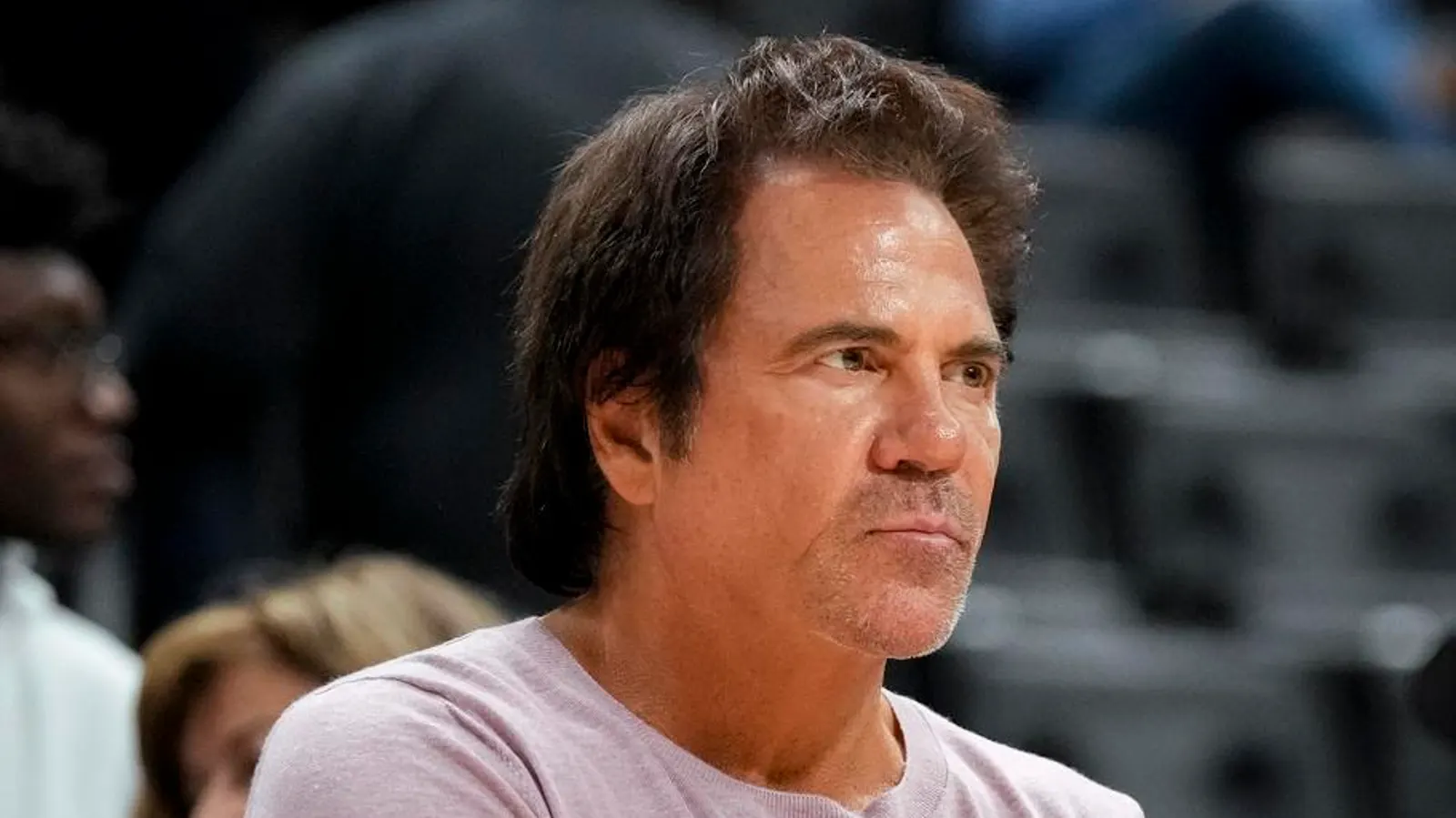
PlayPower, unsurprisingly, sees things very differently. In a written statement, a company spokesperson said the merger would create more competition, not less, in what they describe as a highly fragmented and globally competitive market. They said they remain confident in the merits of the combination and look forward to working with the FTC to reach a resolution. Platinum Equity did not respond to requests for comment. The human element here extends beyond the companies themselves. Tom Gores, the 62-year-old founder, CEO, chairman, and principal owner of Platinum Equity, is no stranger to wealth or attention. He has an estimated fortune of $10.6 billion, placing him on the Forbes 400. He owns the NBA’s Detroit Pistons, a 27 percent stake in the NFL’s Los Angeles Chargers, and a collection of California mansions reportedly worth $200 million. The playground industry, by contrast, is populated with family-founded companies like Burke, which has been around for more than a century and employs people who have spent decades building equipment for kids. The lawsuit paints a picture of a corporate giant using its financial muscle to swallow a scrappy competitor—one that has been increasingly successful in winning the hearts of schools and daycares, and one that has been gaining ground precisely because customers appreciated what it offered.
This is not the first time private equity has reshaped the playground business, and the industry has a long history of roll-ups and buyouts. PlayPower itself was built through acquisitions, including Miracle in 1993, Little Tikes Commercial in 2004, and Playworld in 2016, with previous financial owners including Investcorp, Apollo Investment Corporation, and Littlejohn & Co. Even Burke has been through the cycle, completing its first two add-on acquisitions while owned by Halifax from 2017 to 2021. The pattern repeats across the industry. PlayCore, one of the largest commercial playground and recreation equipment makers, completed fourteen acquisitions during private equity firm Sentinel Capital Partners’ ownership from 2014 to 2017, more than doubling both its revenue and EBITDA. By 2017, PlayCore had over $400 million in annual sales. Its sale to Court Square Capital Partners, which remains its controlling investor, was financed with $565 million in term loans. Denmark’s Kompan, another global player, was acquired by Nordic Capital for roughly $129 million in 2005 and went on to make fourteen acquisitions of its own under Nordic’s ownership, nearly doubling its revenue to around $230 million by 2013 before being sold to a Danish investor group. This wave of consolidation means that decisions made in private equity boardrooms, far from the swing sets and monkey bars, have an outsized effect on what children across America actually climb and slide on. The FTC’s complaint cites the 2023 merger guidelines—issued under the Biden administration and retained by the Trump FTC—to argue that the proposed deal would unlawfully concentrate the market. Those nonbinding guidelines also address the cumulative effects of serial acquisitions, though this lawsuit specifically seeks to block the Burke transaction rather than unwind previous takeovers.
The concerns about quality and innovation are not purely speculative, according to the complaint. Regulators point to what happened after PlayPower acquired Playworld in 2016, alleging that product quality and innovation deteriorated in the years that followed. They cite internal complaints from a sales representative and from Playworld’s former owner. The complaint also says some Playworld sales reps switched to Burke after PlayPower imposed more onerous contract terms. Now, the FTC argues, the combined company would have even greater leverage over independent sales representatives, potentially imposing harsher noncompete provisions and worse terms for the people who actually sell and service playground equipment. The broader U.S. playground and park equipment manufacturing industry—estimated at $1.3 billion in 2025 by IBISWorld—includes everything from swings and slides to park benches and tables, and it has become a battleground for a relatively small number of big players. If the merger is allowed to proceed, the complaint argues, the market will become even more concentrated, and the remaining competitors, constrained by the size and scale of the new combined giant, will have less incentive to invest in new designs, safer materials, or better customer service. For a school district planning a new playground, or a church wanting to build a space for neighborhood kids, these are not abstract economic theories. The equipment they buy must be safe, durable, and affordable, and they often rely on competitive bids to get the best value for public money.
At the end of the day, the stakes are deeply local. According to the complaint, schools, parks, and other customers often spend anywhere from $50,000 to more than $1 million on commercial playgrounds, with much of that money coming from taxpayer-funded bonds, grants, and municipal budgets. When a city replaces a worn-out slide or installs a new swing set, the decision is usually driven by years of parent advocacy, community fundraising, and government planning. A merger that reduces competition could mean those projects cost more, or that older equipment stays in place longer than it should, or that innovative new designs never make it to market because there is less pressure to stand out. The FTC and state attorneys general, including Republicans from Ohio and Tennessee and Democrats from California and Washington, are asking the court to permanently block the transaction. In the meantime, the parties have agreed to a temporary restraining order while the case is considered. For the families who have saved up for a new playground, the teachers who want a safe place for recess, and the local officials who have to stretch every dollar, this legal battle is about much more than corporate ownership. It’s about whether the playgrounds of the future will be shaped by competition, creativity, and community needs—or by the calculations of a few powerful financial firms. The outcome will be felt in every schoolyard, park, and church playground across the country, and it will all hinge on how the courts balance the promise of business efficiency against the quieter, older promise of a good place for children to play.