

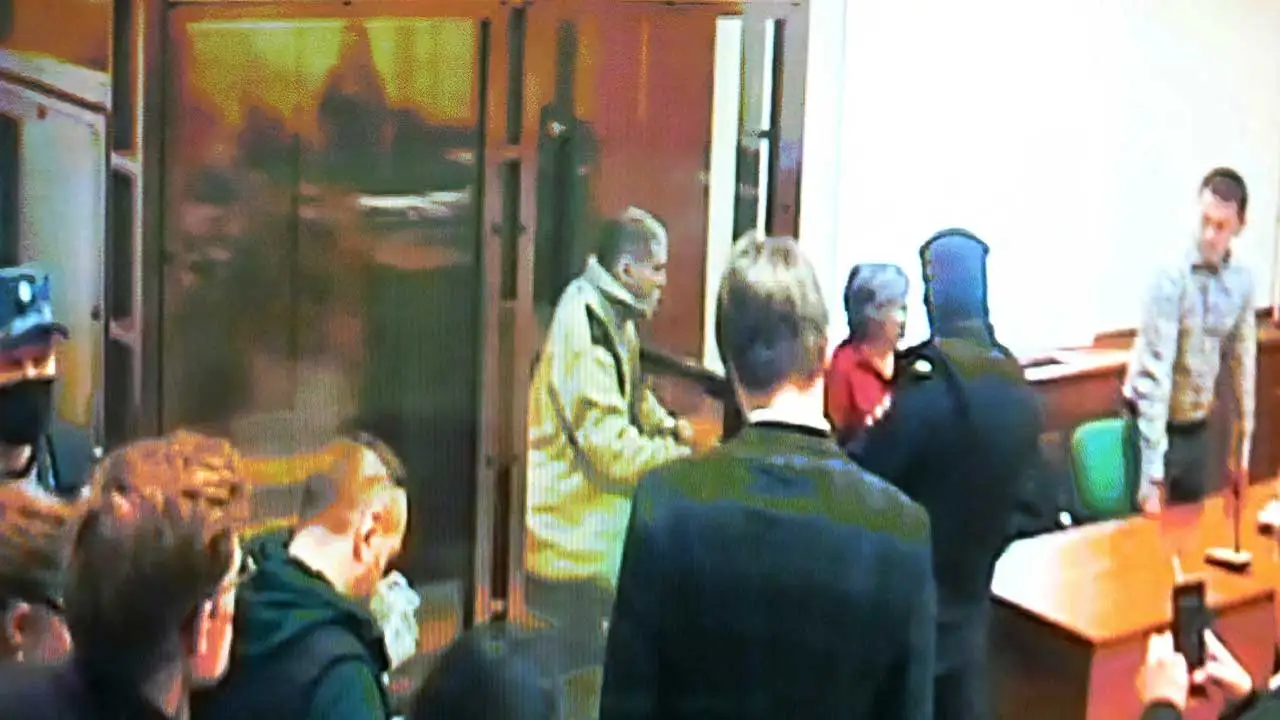
Good morning. If you’re just waking up, coffee in hand and still deciding which headlines actually matter, let’s ease into this Wednesday with something that genuinely feels like good news. Stephen Hubbard, an American teacher who had been imprisoned in Russia, has been released. There’s no neat way to summarize what a moment like that means to a family. For months, maybe years, they woke up every single morning to the same heavy knot in their stomachs, wondering whether this day would be the day he came home. Now, somehow, that wait is over. It’s the kind of story that cuts through the noise of politics and policy and reminds you that at the center of every diplomatic deal, every quiet back-channel negotiation, and every high-stakes handshake between governments, there’s a real person with a real life waiting to be lived again. We don’t have all the details yet, and no doubt there will be plenty of analysis about how the release came together and what it signals for future negotiations. But for today, maybe we can simply let the human weight of it sink in: an American teacher is free, and somewhere a family is breathing again. Meanwhile, the political calendar keeps moving. President Trump is in South Carolina today, rallying supporters with just 13 days to go until the midterms. There’s something almost electric about that timeline. You can feel the urgency in the air, the way every speech, every handshake, every last-minute visit becomes a little more charged. South Carolina’s voters have heard these pitches before, but the stakes feel different this time. And across the Atlantic, France is dealing with unrest that has drawn the former president’s attention. He weighed in with his usual bluntness, because as always, crisis anywhere becomes a campaign argument everywhere. The world is restless. Markets are anxious. People are asking whether they’re better off than they were two years ago. On a morning like this, the headlines don’t just tell you what happened; they tell you how people are feeling, what makes them fearful, what gives them hope, and why so many are still hungry for answers.
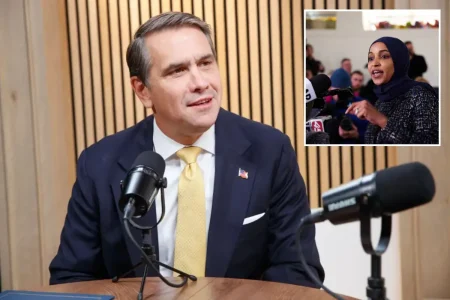
But beyond those top three stories, the bigger picture is packed with human drama, some of it strange, some of it heartbreaking, some of it just plain puzzling. Take the mystery surrounding Representative Ilhan Omar. The headline says “family matters,” and the mystery is growing over her whereabouts as familiar faces descend on her D.C. home. Whatever the reality is, that kind of story taps into something primal—the idea of someone’s home becoming a stage for public speculation, with family and allies showing up while the world waits. It’s a reminder that even the most public figures have private lives that can become uncomfortably public without warning. Then there’s Dr. Oz, who pressed a New York City daycare in what the newsletter describes as a “surprise crackdown.” The phrase “the numbers don’t seem to add up” hangs over it. Daycare is already one of the most emotionally fraught topics for parents; you’re trusting strangers with the most precious thing in your life, and any whiff of impropriety sends a shiver through every family that has ever dropped a kid off at the door. Adding a political figure to that mix, whether you agree with him or not, heightens the tension. And in international news, Iran has set a new hurdle for negotiations, demanding that the United States meet a condition before talks can even begin. It feels like one of those circular chess moves where everyone insists the other side has to move first. Diplomacy can be maddening because every party comes in with pride, history, and a list of grievances. But somewhere in the middle, regular people just want stability, less fear, and normal life. That’s the human thread running through all of these stories. Also this morning, there’s a deeply sad item: Robert F. Kennedy’s granddaughter has died at just 42 years old due to a spinal cord injury. There’s something about a young life cut short that lands hard, especially under the weight of a famous family name. She was part of a storied legacy, a family that has known both tremendous public service and tremendous loss. Her passing is a reminder that no amount of name recognition or privilege can shield anyone from the fragility of the human body. And then there’s the Anthropic CEO, who is defending his record on safety and on sales to China. In a world where artificial intelligence is moving faster than our ability to fully understand it, the man leading one of the most prominent AI companies has to answer not just for what he and his team built, but for who they’re willing to sell it to and what guardrails actually exist. These are the kinds of conversations that sound very technical until you remember they affect the health of our information ecosystem, the security of our jobs, and the safety of our kids online.
Diving deeper into politics, the day’s headlines carry a mix of bare-knuckle combat and quiet institutional drama. One headline says it all: “Power play undone.” Apparently, a judge President Trump once called a “crazed lunatic” backed down from an extraordinary demand after a showdown with the Justice Department. Whatever your partisan lens, that kind of standoff is fascinating because it’s about something bigger than any single personality. It’s about the limits of power, the independence of the judiciary, and the willingness of institutions to push back when they think a boundary has been crossed. It’s also a story about pride and retreat, because when someone backpedals under pressure, you can almost hear the uncomfortable silence in the room. In a different corner of the academic world, a university president is sounding the alarm over a disturbing finding: nearly half of students say they can justify violence to stop “hate speech.” That stat is one of those things that makes you stop and reread. Think about what that means. We train young people to value free expression, then we tell them some speech is so unacceptable that violence becomes a legitimate tool to silence it. The president of that university is worried, and the rest of us should be too, because these are the same people who will one day run our institutions, teach our children, and lead our communities. If a large chunk of the next generation has decided that force is an acceptable answer to offensive words, then we’re no longer just debating policy; we’re debating how a society holds itself together. Meanwhile, the political future is already being shaped in subtle ways. A headline hints at a “Rubio rivalry” and says the vice president is hedging on his own White House ambitions. Even in the middle of an election season, people are already looking past tomorrow to the next race, the next ladder, the next chance to move up. That’s the nature of politics, of course, but it can be exhausting to watch. Just when you think a campaign is over, someone starts whispering about the next one. And in a lighter but still revealing item, Trump is recruiting Americans to hunt taxpayer fraud for lucrative cash rewards. That’s an offer that taps into a strange mix of civic duty and financial self-interest. Would you spend your spare time tracking down waste and fraud if there was money in it? The program basically says yes, we trust you more than we trust Washington. On the opinion side, Dr. Rebecca Grant writes about Trump’s MOAB threat and how it could put Iran’s deepest bunkers in America’s crosshairs. It’s a reminder that when presidents talk about massive weapons, they’re not just making rhetorical flourishes; they’re sending signals to adversaries and allies alike. And Hans von Spakovsky argues that Gavin Newsom’s legislative minions just got a lesson in constitutional supremacy. Whatever your view of California politics, the story is fundamentally about state power versus fundamental rights, a tension that has existed since the founding and will keep popping up as long as we have a Constitution.
Moving out of the political trenches and into the broader cultural landscape, the newsletter offers a fascinating set of stories about identity, choice, and the search for a better life. One headline captures a particularly modern regret: Americans are discovering the harsh truth about European living after ditching the U.S. There’s a certain fantasy that thrives on social media, the idea that moving abroad will solve all your problems—cheaper healthcare, better work-life balance, cobblestone streets and cafes. But then real life kicks in. The bureaucracy, the lower salaries, the smaller apartments, the heating bills, the different social norms. It turns out that the grass is often greener not because the grass is actually better, but because you’re only looking at it from far away. This is a human story about expectations colliding with reality, and it’s happening to more and more Americans. Then there’s the columnist who challenged his firing over Kirk posts and is celebrating a legal win. We don’t have all the details, but the theme is familiar: someone said something, got punished for it, fought back, and eventually got some form of vindication. That kind of story resonates because everyone has felt at some point that they were treated unfairly, that they didn’t get a chance to explain, that the mob or the boss or the algorithm decided their fate before they could open their mouth. There’s also a troubling story out of Canada, where a patient claims a hospital kept pushing assisted death while he was fighting for care. Read that sentence again. A person who wanted to live had to defend his own will to live while being offered death. It’s a nightmarish ethical dilemma, and regardless of how the specifics shake out, it raises questions about how we treat people in pain, how we allocate resources in a strained healthcare system, and what happens when the system is more comfortable with an exit than with a struggle. And finally, in a much lighter story, the “Ant-Man” star says his health improved after leaving Hollywood and trusting God’s plan. There’s a quiet power in someone walking away from a career many would kill for in order to save their own life. It’s a reminder that success on the outside doesn’t always translate to peace on the inside.
The miscellaneous news section delivers a little bit of everything, the kind of stuff you find yourself reading aloud to the person next to you. Kid Rock says he has no regrets about supporting Trump, even though it cost him in Hollywood. That’s a story about paying a price for your beliefs—and deciding it was worth it. In an industry where everyone is carefully watching their brand and their bookings, openly picking a side can be dangerous to your bottom line. But Kid Rock is characteristically defiant. He’s sticking to his guns, and you can respect the consistency even if you disagree with the politics. Elsewhere, a former McDonald’s executive says he could see the fast-food giant resurrecting a fan-favorite menu item. This is the kind of harmless, nostalgic, and weirdly satisfying news that makes you hope it’s something like the McDLT, the Arch Deluxe, or maybe those little fried apple pies from the old days. Food nostalgia is a powerful force. People still talk about discontinued menu items the way they talk about old flames. And in the archaeology department, a 2,000-year-old treasure has been discovered beneath a former sports field, breaking a regional record. Imagine digging in the dirt and suddenly realizing you’ve found an artifact that hasn’t seen the light of day since before modern history began. It’s a direct line to the past, the kind of discovery that makes you feel tiny and connected at the same time. The original owners of that treasure could never have imagined a sports field above their resting place, and now, after two millennia, their story is being told again. There’s also the American Culture Quiz, which promises culinary curveballs and airport antics. Quizzes like that are a fun little reminder that culture isn’t just about high art and politics; it’s about the food we eat, the weird things we do in public, and the shared experiences that make us who we are. And for those looking for deeper conversation, the podcast lineup includes an “XX-XY CEO” breaking down the WNBA Finals confrontation on “The Riley Gaines Show,” and “Will Cain Country” exploring culture, sports, and comedy with Danny Polishchuk and Asra Nomani. It’s a reminder that in this noisy, chaotic world, we’re all trying to interpret what just happened and what it means.
Finally, as the newsletter wraps up, it points us to the practical things we all need to get through the day. There’s a Fox Weather section checking what it’s going to look like outside, because no matter how huge the headlines are, you still need to know whether to grab an umbrella or shovel the driveway. Then there’s the social media buffet—Facebook, Instagram, YouTube, Twitter, LinkedIn—because in this day and age, the news doesn’t stop when you close the newsletter. It follows you around everywhere you go, pinging your phone with push alerts and showing up in your feed between pictures of your cousin’s puppy and that motivational quote about Monday mornings. If you want more, there’s a newsletter menu: Fox News First, Fox News Opinion, Fox News Lifestyle, and Fox News Entertainment for all the celebrity gossip and pop culture stories. And if you prefer your news on the go, there are apps for Fox News, Fox Business, Fox Weather, Fox Sports, and even Tubi for when you need a break from the world entirely. You can watch Fox News online through Fox News Go, because the news cycle runs 24 hours and sometimes you just want to put a familiar face on the day’s events. The morning newsletter ends with a simple, appreciative line: “Thank you for making us your first choice in the morning!” And that’s really the core of all this. In a world where we can get information from anywhere, the fact that someone chooses to start their day with you means something. It’s the same feeling as a regular customer at a coffee shop, a familiar voice on the radio, or a neighbor who waves from the porch. There’s comfort in routine, in knowing that even as the world changes, you’re not facing it entirely alone. The promises are small but meaningful: we’ll see you in your inbox first thing Thursday, we’ll keep you informed, and we’ll try to give you something worth talking about on the drive to work. So, go ahead and close the laptop, put down the phone, and step outside. Check the sky, feel the wind, and remember that your day is still ahead of you. The headlines will keep coming, but so will your ability to choose what to carry with you. Here’s to a Wednesday with a little less noise, a little more heart, and a sense that no matter how divided the world feels, we’re all just trying to figure out how to live, love, and make it through.