


Across America, the Supplemental Nutrition Assistance Program has long been a quiet lifeline—the reason a senior still eats warm meals, the reason a single parent can stretch a paycheck, the reason a child in a working family doesn’t go to bed hungry. But this week, the benefits system became the center of a sharp immigration enforcement push. The Department of Homeland Security, through U.S. Immigration and Customs Enforcement, launched a nationwide operation targeting people living illegally in the United States who are accused of fraudulently receiving SNAP benefits, commonly known as food stamps. The crackdown, confirmed by federal officials, has already produced multiple arrests, and the Department of Homeland Security is calling it just the beginning. The message from the administration is stark: these programs were never meant for people who entered the country unlawfully. “Illegal aliens who have no right to be here in the first place are the last people who should be using SNAP benefits and other forms of welfare,” Homeland Security Secretary Markwayne Mullin said in a statement, according to the report. “These programs are for Americans only,” he continued. “Even non-violent illegal alien crime can still have devastating consequences when they’re defrauding the American taxpayer.” It is a statement that frames the operation not just as a benefits issue, but as a matter of national fairness and public trust.
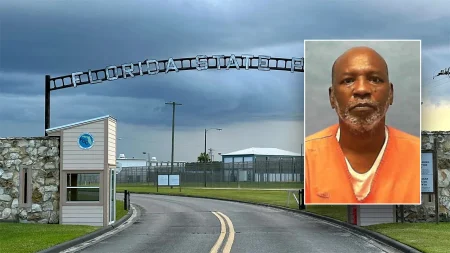
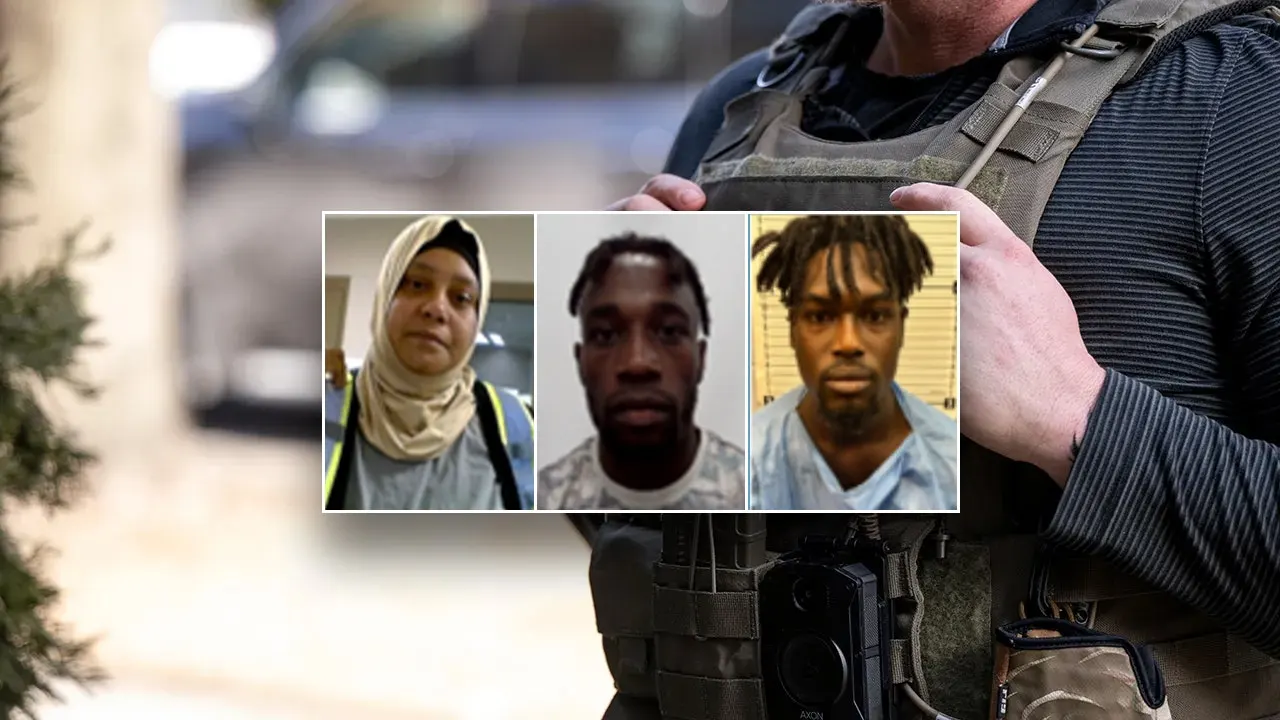
The arrests themselves put a human face on the policy, and the names are as specific as the accusations are serious. Among those taken into federal custody, according to DHS, was Rubstony Junior Theodore, a Haitian national living unlawfully in the United States. Theodore, officials say, had a criminal history that included arrests for larceny, obstruction of officers, and trespassing. Also arrested were three other Haitian nationals—Wilbert Jean Baptiste, Louis Jean, and Jhensly Charles—all accused of living in the country illegally while allegedly collecting SNAP benefits. The net also swept up a Cuban national, Elizabeth Povea Rodriguez, who was already convicted of disorderly conduct and had been arrested on battery and domestic violence allegations. Each case is different, but the agency sees a pattern: people who entered the country without permission, then reached into a system meant to feed American families in need. “Every one of these individuals entered the country unlawfully, then proceeded to draw from a program designed to feed struggling American families, in some cases while carrying criminal records,” DHS said. The agency described the arrests as “the opening salvo” in a sustained operation, a phrase that suggests many more notifications, investigations, and handcuffed mornings are likely to follow. For the families who live on these benefits—who fill their grocery carts with modest staples and carefully budget around rising food prices—the news is both reassuring and unsettling: reassurance that someone is checking, but unease because the system they depend on must now prove it cannot be fooled.
To understand why this operation matters, it helps to remember what SNAP actually is and who it is for. The program, formerly known as food stamps, provides monthly funds that low-income households can use to buy groceries. It is funded by federal taxpayers and administered by states, and it is one of the country’s largest hunger-relief programs. In a typical year, millions of households use SNAP benefits to put food on the table, and recipients include children, elderly people, people with disabilities, and working adults who simply cannot make ends meet. Federal law generally bars immigrants living in the country illegally from receiving SNAP benefits. There are narrow exceptions for certain categories of lawfully present noncitizens—refugees, asylees, and some legal permanent residents, depending on their immigration status and the length of time they have been in the country. But those exceptions are carefully drawn and heavily documented. When someone who has no legal status crosses through the application process, claims to be qualified, and receives benefits anyway, they are not just cheating the government. They are taking resources from a pool that was set aside for people at the very margins of financial survival. A single fraudulent application might not sound like much, but when multiplied across a nationwide scheme, it adds up to millions of dollars that no longer reach the grocery carts and kitchen tables where they were designed to land.
The larger context is just as important. This SNAP enforcement operation is not happening in isolation. The Trump administration has been pushing a broader crackdown on federal benefits fraud, targeting foreign nationals accused of infiltrating government assistance programs and claiming benefits they were never entitled to. DHS is not quiet about its intentions. The secretary’s own words—“just a drop in the bucket”—reveal that the recent arrests are meant to be the first wave of a much larger enforcement effort. Federal authorities are also preparing major operations involving Haitian nationals losing Temporary Protected Status after a Supreme Court ruling, making them newly vulnerable to removal and further straining the relationship between immigration status and access to public programs. For supporters of the operation, this is about the sanctity of the safety net. They argue that if the government cannot guarantee that benefits go to eligible citizens, public support for those benefits will erode, and the people who suffer the most will be the vulnerable families who truly need help. For critics, there is a different worry: that the operation could create a chilling effect, scaring eligible immigrants and their families away from seeking assistance even when they have every legal right to it, and that federal enforcement may not always distinguish carefully between fraud and confusion, between intentional deceit and a complicated application process.
There is also a human story behind every fraudulent case, and the people being arrested are not just statistics. Some of them may have arrived in the United States fleeing poverty, disaster, or violence. Some may have lived in the country for years, married, had children, and built lives in communities that now feel like home. But the law, as DHS describes it, does not start with sympathy; it starts with status. If a person is present without legal authorization, that person has no claim to means-tested public benefits. And when that person also has prior run-ins with the criminal justice system, the government treats the case not as a bureaucratic error but as an aggravated violation that deserves removal. For ICE officers conducting the arrests, these are not abstract immigration resolutions; they are in-person legal actions that end with someone being handcuffed, processed, and likely deported. Each arrest creates a story that will be told in court rooms, in detention facilities, and in the homes of family members left behind. The DHS language—talk of fraud, alien crime, and taxpayer harm—is intentional, designed to invoke a sense of moral clarity and shared outrage. But the actual human experience is messier: people who made choices, people who needed help, people who may have believed they had no other option, and families who will feel the consequences long after the paperwork is closed.
As the operation expands, it will continue to raise difficult questions about immigration, welfare policy, and public compassion. There is no dispute that SNAP fraud is illegal and that the overwhelming majority of Americans expect the system to be run with integrity. There is also no dispute that the government has a right—and arguably an obligation—to remove people who have violated the law and abused taxpayer-funded programs. But there is a deeper conversation to be had about why someone who entered the country illegally might try to get benefits in the first place. Is it simple greed, or is it often desperation—the hunger of a parent who cannot feed their child and is willing to lie rather than watch them starve? The law, as DHS sees it, does not care about the distinction. “These programs are for Americans only,” the secretary said, and the administration means it. That stance will continue to shape policy, from courtrooms to neighborhoods, from food banks to ICE field offices. For now, the message is clear: the food stamp card is not meant to be a welcome mat, and those who use it that way, the government says, are going to answer for it. The operation is a warning and a promise—a warning to anyone considering fraud, and a promise to American taxpayers that their money is being watched. What remains to be seen is how many more arrests will follow, how the public will respond to the human faces behind the headlines, and whether the crackdown will ultimately make the benefits system stronger, fairer, and more trusted by the people who depend on it most.