


Here is a summarized and humanized account of the story, presented in six paragraphs.
—
In the shadow of a Dallas courtroom, a story of irreparable loss and fractured lives reached a somber conclusion as a young woman was held accountable for a chain of decisions that ended a bright life and forever altered the futures of two families. Lynlee Pollis, a thirty-year-old Texas woman, stood before State District Judge Jennifer Balido to receive her sentence for the September 2023 crash that claimed the life of nineteen-year-old Southern Methodist University student Honor Wallace and left her friend, Catherine “CeCe” Solberg, with life-altering injuries. The verdict, delivered after just three hours of jury deliberation following a grueling two-and-a-half-week trial, was a sentence of seven years in prison. But the court’s judgment did not end there; upon her eventual release, Pollis would also face a decade of probation, a term punctuated by the heavy, symbolic requirement of spending fifteen days in jail each year—days deliberately chosen to coincide with the victims’ birthdays, her own birthday, and the anniversary of the deadly collision. This condition served as a stark, recurring reminder that justice in this case was not a single moment of reckoning, but a painful, annual pilgrimage into the memory of the harm she caused.
The details of the crash that emerged during the trial painted a harrowing picture of a tragedy that was entirely preventable. On that September evening, Honor Wallace was driving her Volkswagen Jetta lawfully through a green intersection in Dallas, a simple act of travel that should have been unremarkable. In a matter of seconds, her life was violently extinguished when Pollis’s Lexus SUV barreled through the intersection and slammed into her vehicle. The impact was the culmination of a cascade of catastrophic choices. Prosecution experts testified that Pollis had been traveling at an estimated sixty-seven miles per hour in a zone limited to thirty-five miles per hour, and that she had blown through a traffic light that had been red for at least five full seconds. The technical findings were damning, but the most gut-wrenching evidence was the measure of Pollis’s intoxication: a blood alcohol concentration of 0.294 percent, a staggering figure nearly four times the legal limit in Texas. It was a number that spoke not just to a single lapse of judgment, but to a profound and dangerous level of impairment that turned a vehicle into an instrument of destruction, leaving behind a trail of grief and a young woman fighting for her life.
In the aftermath of the violence, the courtroom became a place not only for determining legal consequences but for venting the raw, unyielding anguish of those left to pick up the pieces. The victim impact statements delivered during the trial cut through the legal formalities with the searing pain of human loss. CeCe Solberg’s father, Bobby Solberg, faced Pollis with an anger born of watching his daughter suffer and endure a prolonged legal battle. His words were a direct indictment of what he perceived as a lack of true remorse, a frustration that the person responsible for this chaos had not shown the accountability he felt was owed. “You were so drunk, and you wouldn’t admit it,” he charged, his voice heavy with the exhaustion of sitting through weeks of testimony. “You made us sit through this for three weeks. We’ve seen no personal accountability from you.” It was a sentiment that echoed the profound disconnect between a legal process that requires time to parse fact from fiction and the desperate, immediate need of a family to see the person who shattered their world acknowledge the simple, devastating truth of what she had done.
Honor Wallace’s father, David Wallace, then stood to give his own heartrending testimony, transforming his daughter’s name from a legal statistic into a beloved child forever absent from his life. His words were a plea for Pollis to look past the jargon of jurisprudence and see the reality of the void she had created—an empty chair at the dinner table, a future of milestones and celebrations that would now be forever marked by grief. “You took the most precious gift from us through your selfishness,” he said, his voice cracking with a sorrow that seemed to fill the room. “Own it. Own what you did.” His directive was both a demand for justice and a desperate attempt to find some meaning in the senselessness, to force Pollis to look at the wreckage of his family and truly internalize the magnitude of her actions. The sheer force of his grief served as a powerful counterpoint to the defense’s narrative, reminding everyone present that beyond the arguments about legal precedent and sentencing guidelines, there was a mother and a father who would never again be whole.
The humanizing narrative of the accused added another layer of complexity to the proceedings. While the prosecution painted a picture of reckless endangerment, Pollis’s defense attorneys sought to humanize her before the court, arguing for probation instead of prison time. They pointed to her lack of prior felony convictions, attempting to frame her behavior that night as a catastrophic anomaly rather than a pattern of behavior. In his closing argument, defense attorney Scott Palmer evoked a common, yet poignant, refrain: that Pollis was, at her core, “a good person who made a terrible decision.” This framing was a direct appeal to the jury’s capacity for mercy and their belief in the potential for redemption. The argument acknowledged the tragedy but sought to separate the woman in the courtroom from the actions that brought her there, suggesting that a lifetime of service and good character should be weighed against the single, awful hour of failure. It was a classic battle between the irreparable harm caused and the potential for rehabilitation, a conflict that juries are often asked to adjudicate but which can never truly be resolved by a verdict alone.
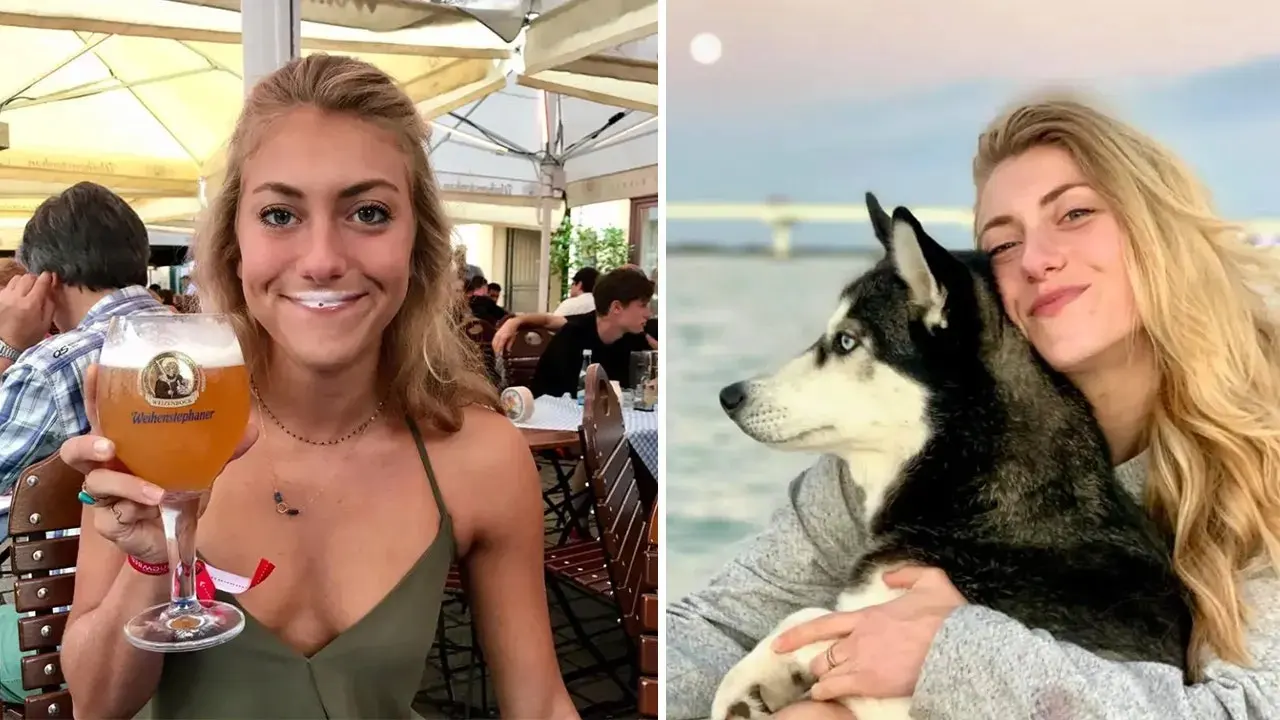
In the end, the sentence handed down by Judge Balido represented a stark compromise between these two competing visions. The seven-year prison sentence acknowledged the severity of the crimes—the death of a young woman and the permanent injury of another—and affirmed the community’s condemnation of drunk driving. Yet the lengthy probation period, with its unusual recurring jail requirement, also suggested a belief that accountability would not end with Pollis’s release from prison. It was a holistic attempt to impose lasting consequences while also offering a path, albeit a slow and painful one, back into society. The story of Lynlee Pollis, Honor Wallace, and CeCe Solberg is a tragic reminder that a single, irreversible act can ripple outward, touching the lives of grandparents, parents, siblings, and friends. For Honor Wallace, there would be no future; for CeCe Solberg, a life of rehabilitation; and for Lynlee Pollis, a long journey through the consequences of a night when she chose to get behind the wheel. The only passengers in the car, her husky named Tequila, emerged unharmed, a quirk of fate that only underscores the arbitrary nature of who lives and who dies in such moments. The justice system has spoken, but for all those involved, the true weight of this tragedy will be measured not in years, but in the quiet, unending moments of everyday life haunted by what was lost.