



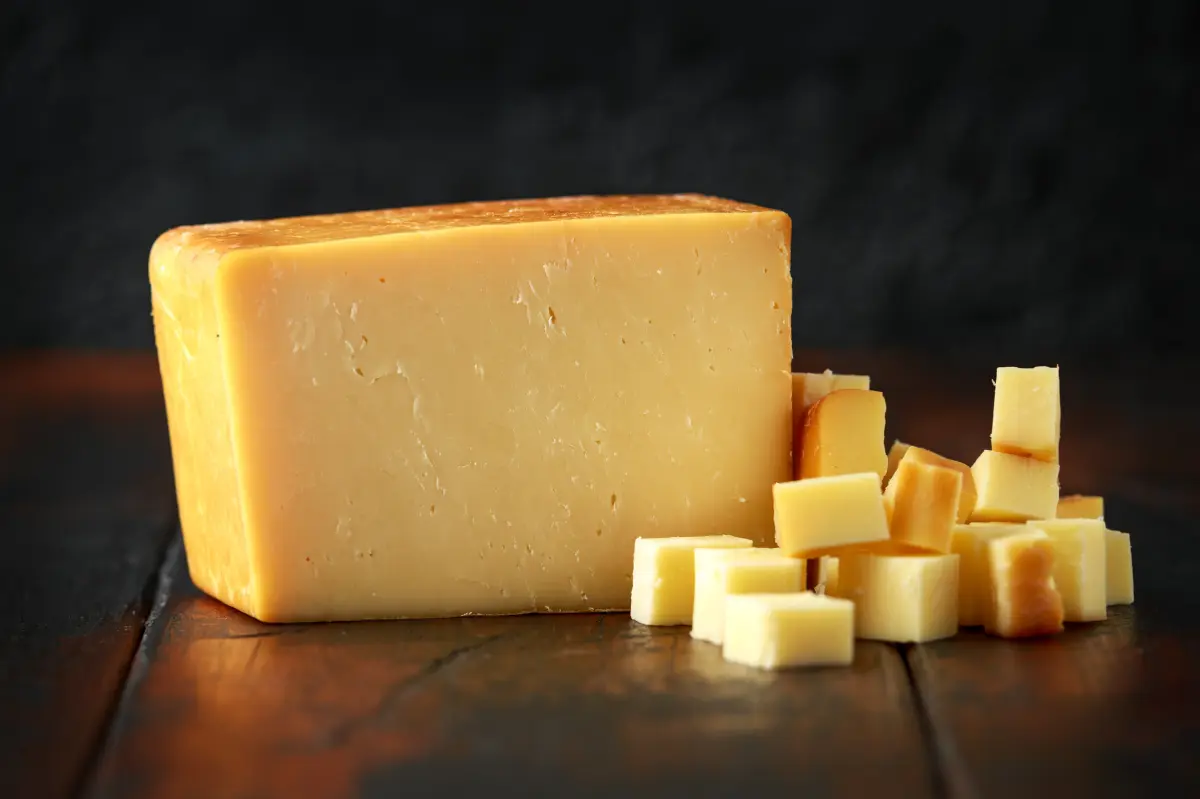
There are few dinner-table scenarios more distressing than reading a recall notice and realizing that the food you have served might be unsafe. It turns ordinary grocery shopping into a frantic hunt for lot numbers and best-by dates, and it reminds us that even trusted food producers can encounter serious problems. That is exactly the situation being faced by consumers who recently bought raw milk cheddar cheese from Family Farmstead Dairy, a New York-based company rooted in the small Worcester community. On Thursday, the company announced a voluntary recall of one batch of its raw milk cheddar after sampling raised concerns about E. coli contamination. The cheese in question carries a best-by date of July 22, 2027, and was shipped to stores across a wide geography: New York and New Jersey were named directly, along with Pennsylvania, Connecticut, Maryland, Virginia, and Massachusetts. The company also warned that the cheese may have reached additional states through downstream distributors, meaning families beyond those seven states might have the product in their refrigerators without realizing it. For shoppers who value farm-fresh, minimally processed foods, this recall is especially jarring. Raw milk cheese is often purchased with intention, sought out at specialty grocers or farmers markets for its rich, uncomplicated flavor and its connection to traditional farming. But this recall shows that such products require careful handling and constant vigilance. The cheese was sold through a number of retail partnerships, including Whole Foods Market and Fresh Direct, making it accessible to a broad range of consumers. At its core, this recall is a reminder that the food system is complex and that even the most conscientious producers must sometimes make unwelcome announcements. No other Family Farmstead Dairy products have been affected, which offers some comfort. Still, for those who have the cheese in their homes, the next hours may be spent checking labels, looking at packaging, and trying to remember exactly where the block was purchased.
The specifics of the recall are straightforward but important. Family Farmstead Dairy pulled a single batch of its Raw Milk Cheddar Cheese, and the product is identifiable by its best-by date of July 22, 2027. That date is printed on the packaging, so consumers can quickly determine whether their purchase is involved. The dairy did not release a more detailed lot code in the announcement shared by the U.S. Food and Drug Administration, so the best-by date is the primary marker for consumers. The cheese was distributed directly to stores in New York, New Jersey, Pennsylvania, Connecticut, Maryland, Virginia, and Massachusetts. But because the dairy works with distributors, it cautioned that the cheese could have traveled further and appeared in retail stores in other states as well. The recall notice urges anyone who has the recalled cheese to avoid eating it, and to either dispose of it or return it to the place of purchase for a refund. This type of request is standard in food recalls, but it can be easier said than done when a product has been sitting in a refrigerator for weeks or was purchased as a special treat and set aside for a future meal. Cheese with a best-by date in 2027 might have been stored for aging, gifted to a friend, or saved for a holiday table. For those who have already consumed the cheese, the company’s announcement includes the reassuring note that no illnesses or allergic reactions had been reported at the time the recall was made public. The company also emphasized that this recall is limited to the one batch; no other cheeses or products from Family Farmstead Dairy are implicated. That distinction matters, because it suggests that the issue may be traceable to a specific production run rather than a systemic problem across the whole facility. The dairy, whose website lists partnerships with Whole Foods Market and Fresh Direct among other grocers, is not a fly-by-night operation. It has built a market for its products well beyond its local community. The recall is a disruption for the company, but it is also a protective measure. By acting quickly and publicly, Family Farmstead Dairy is taking the side of consumer safety, even if the news is unwelcome. It also highlights a broader reality: distributors move food quickly, and by the time contamination is detected, the product can already span many states. That is why recall announcements rely so heavily on consumers spreading the word, checking their kitchens, and telling friends and family members who might have purchased the same cheese.
The discovery that led to the recall came from a routine sample test in Maryland. According to Family Farmstead Dairy, two samples of the cheddar cheese isolated two strains of toxin-producing E. coli. That kind of laboratory finding is exactly what food safety systems are designed to catch, but it is also a sobering indication that pathogens can find their way into even well-regarded dairy products. The company’s response has been swift and, by the standards of corporate communications, surprisingly personal. In its recall announcement, Family Farmstead Dairy offered an apology that was direct: “We sincerely apologize to our customers, retail partners, and consumers for the inconvenience caused by this recall.” It then went further, stating that product quality is an utmost priority at the company and that it is committed to identifying the cause of the issue and taking all necessary corrective actions to ensure the continued safety and quality of its products. This kind of language is common in recall announcements, but it can still carry real meaning. For a family-owned operation, a recall is not just a regulatory scramble; it is an emotional hit. The brand is built on trust, craftsmanship, and tradition, and a contamination event can feel like a betrayal of that promise. The company’s acknowledgment that it needs to find the root cause suggests that the investigation is already underway and that they are not simply hoping the issue will disappear. At the time of the announcement, no illnesses had been linked to the cheese, which is good news. But that can change, especially because E. coli infections may take a few days to develop symptoms, and not everyone who ate the cheese will connect their illness to it. Public health agencies will monitor for cases, and consumers are being asked to take the recall seriously even if they feel fine. For the dairy, the next steps will likely involve reviewing production protocols, testing equipment, tracing ingredients, and deciding whether any changes are needed to prevent similar contamination in the future. It is a difficult process, but one that ultimately strengthens food safety systems. The apology also signals to other producers that transparency is essential; hiding a problem would be far worse for public health and far more damaging to the company’s reputation in the long run.
For many consumers, the phrase “E. coli” evokes fear, and with good reason. A foodborne infection caused by this bacterium can range from mild discomfort to serious illness. Typical symptoms include diarrhea, which is often bloody, as well as stomach cramps and occasionally vomiting. Most healthy adults recover completely within about a week, but the experience can be miserable, with frequent trips to the bathroom, dehydration, and a profound sense of exhaustion. The more dangerous complication is hemolytic uremic syndrome, or HUS, a form of kidney failure that can result in severe kidney damage and, in rare cases, death. HUS is most likely to occur in young children, whose bodies are still developing, and in elderly people, whose immune systems may be more vulnerable. This is why public health officials are especially cautious about recalls involving products that might be consumed by susceptible populations. A child eating a cheese sandwich at lunch, or an older adult enjoying a slice of sharp cheddar with crackers, could be at a higher risk of serious complications. It is also important to remember that E. coli contamination is not visible to the naked eye. The cheese may look completely normal, and it may smell and taste exactly as it should. There is no way for the average consumer to detect the presence of pathogenic bacteria in a food product; the only reliable tool is laboratory testing. This is why recalls are so important. The decision to pull a product from shelves is not made lightly, and it is usually the result of testing at the state or federal level that catches a problem early. In this case, the fact that samples taken in Maryland, far from the dairy’s home in New York, revealed two strains of toxin-producing E. coli underscores the need for ongoing surveillance across the entire food chain. No one wants to hear that their favorite cheese is potentially contaminated, but knowing about it is far better than not knowing. Information gives consumers the power to protect themselves and their families, which is precisely the point of a recall.
This recall also raises a deeper question about raw milk products and their inherent risks. Family Farmstead Dairy makes raw milk cheddar, which means it is made from unpasteurized milk. Pasteurization, the process of heating milk to kill harmful bacteria, has been a cornerstone of dairy safety for decades. But some producers and consumers prefer raw milk, believing that it tastes better, retains more natural benefits, and supports small-scale farming. For raw milk cheese specifically, federal regulations require that the cheese be aged for at least sixty days before it is sold. The idea behind this rule is that the aging process reduces moisture and acidity, creating an environment less hospitable to pathogens. However, aging does not completely eliminate risk, and E. coli, along with other bacteria such as Listeria and Salmonella, can still survive under certain conditions. This is not intended to demonize raw milk cheese. Many small farms make excellent artisanal products that have never caused a single problem, and their work is an important part of the culinary landscape. But any raw milk product carries a higher baseline risk than its pasteurized counterpart, and that risk must be acknowledged honestly. Consumers who choose raw milk cheese are often making a deliberate decision based on taste, tradition, or a desire to support local producers. They should be allowed to make that choice, but they also deserve to be fully informed about the potential downsides. Recalls like this one are part of the cost of a food system that values craft and local production. They are also a reminder that even the most carefully made products are not exempt from microbiology. The company’s commitment to investigating the cause is reassuring, and it demonstrates that responsible producers take contamination very seriously. Ultimately, the choice to eat raw milk cheese is a personal one, and this recall is an invitation to think about how such food reaches the table and why safety measures, whether pasteurization, aging, or rigorous testing, exist in the first place. It is not about fear-mongering; it is about understanding trade-offs and making informed decisions with clarity and confidence.
In the end, the Family Farmstead Dairy recall is a story about responsibility, both corporate and personal. The company has taken the right initial steps: informing the public, cooperating with regulators, and removing the affected cheese from the market. Now it is up to consumers to act. Anyone who purchased raw milk cheddar cheese from Family Farmstead should check the best-by date. If it reads July 22, 2027, the cheese should not be eaten, regardless of how inviting the slices appeared when the package was first opened. It can be returned to the store for a refund, or simply wrapped securely and thrown away. People who have already consumed the cheese and have no symptoms do not need to panic, but they should monitor their health and seek medical attention if they develop diarrhea, especially if it is bloody, or any signs of dehydration. Parents of young children, caregivers of elderly relatives, and anyone who plated a cheese board for a gathering should be extra attentive, since vulnerable individuals face the greatest risk. At the same time, it is worth remembering that food recalls are not rare. They happen with produce, meat, dairy, and processed foods. The food system is massive, and no single measure can guarantee perfect safety. What matters is how regulators, producers, and consumers respond when a problem emerges. Family Farmstead Dairy has apologized and pledged to find the source of the contamination. That is what any responsible company should do, and it is also what any group of human beings should do when something they have made goes wrong. We all make mistakes, and we all owe others honesty and care when those mistakes have consequences. For shoppers, this recall may be an unwelcome hassle, but it is also an opportunity to appreciate the systems that protect us, and to extend patience to a small dairy trying to do right by its community. The cheese may have to be thrown away, but trust, if handled with honesty and careful corrective action, can be rebuilt over time. Until then, the best course is simple: check the label, follow the guidance, and take care of one another.