


The Dodgers came into this National League Championship Series with all the swagger of a team that had been here before—because they had. A third straight World Series title was the dream, and for a franchise that has become the gold standard of modern baseball, anything less than a trophy feels like failure. But two games into the series against the Milwaukee Brewers, that dream has turned into something closer to a nightmare. The Dodgers lost Game 2 by a score of 7–4, and perhaps more alarming than the score was the way they lost: a lineup that has terrorized pitchers all season managed just three hits against Milwaukee’s pitching staff. It was the kind of performance that leaves fans searching for answers, players searching for swings, and analysts searching for words. At the FOX Sports pregame desk, David Ortiz had actually seen this coming. While everyone else talked about the Dodgers’ inevitable bounce-back, Ortiz sat there and predicted the Brewers would win Game 2. It wasn’t a hot take or a wild guess. It was a gut feeling born from watching Los Angeles play like a shadow of itself. And when the final out finally came, his co-analyst Alex Rodriguez gave him the only response that felt appropriate: “Papi, you called it! You’re the only one who called it.”
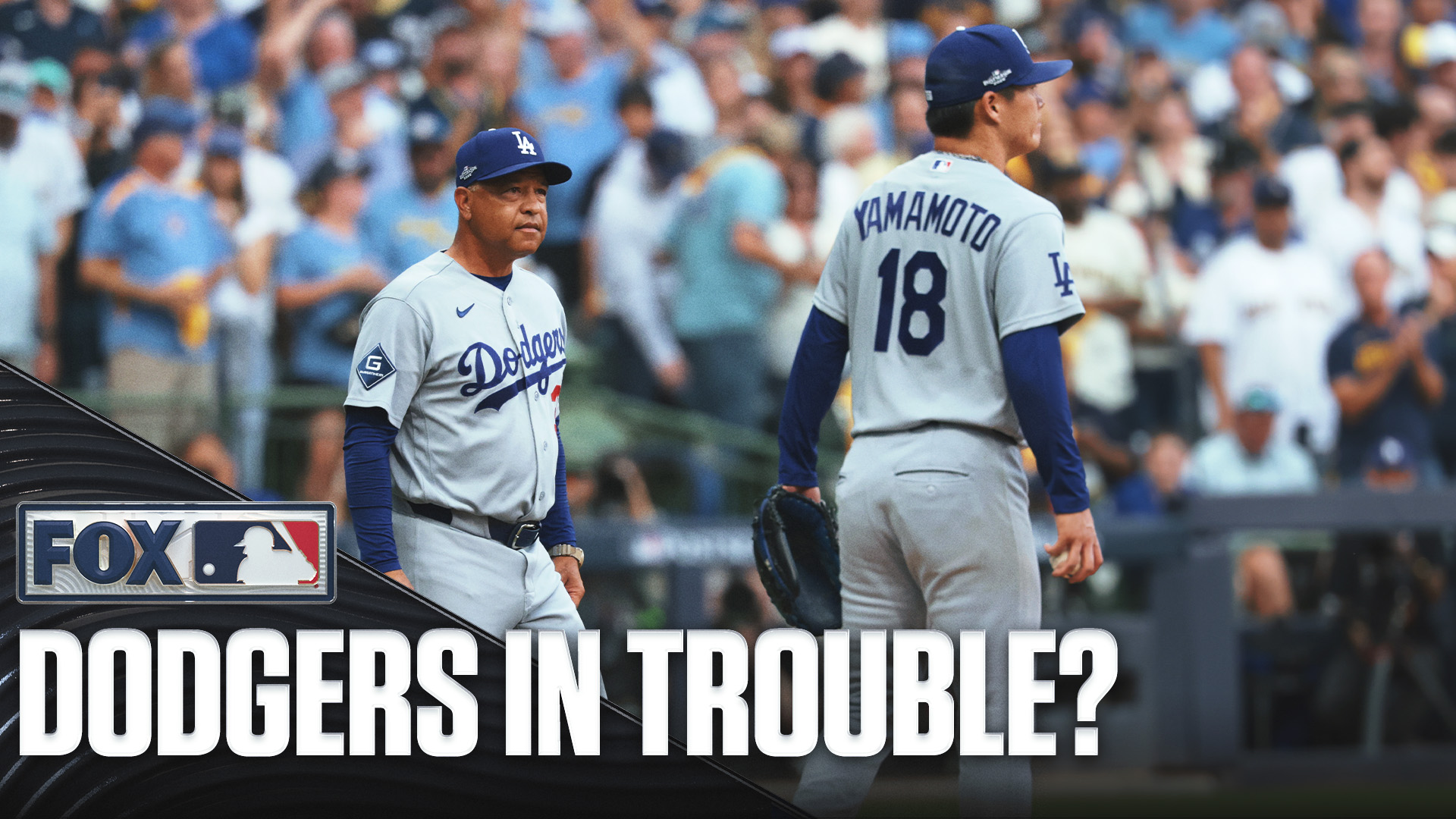
What made Ortiz’s prediction so striking wasn’t just that it was contrarian—it was that it seemed to go against every logical expectation. The Dodgers have one of the most dangerous lineups in baseball, a roster filled with future Hall of Famers and former MVPs. They have the pitching depth to match, too, with Yoshinobu Yamamoto taking the ball in Game 2 with the weight of the series on his shoulders. Yamamoto has historically been a reliable postseason performer, the kind of starter who can quiet a crowd and eat innings when it matters most. But this time, even he couldn’t find his rhythm. The Brewers got to him early and often, and by the time the Dodgers’ bullpen took over, the damage was already done. Los Angeles relievers were tagged for seven runs and twelve hits, a brutal line that turned the game into a Milwaukee showcase. It wasn’t just one pitcher or one mistake. It was a collective collapse, the kind of all-hands-off-deck performance that makes a 2–0 series deficit feel even heavier than it already is. The Dodgers now head back to Los Angeles with their backs against the wall, needing to win four out of the next five games just to advance to the World Series. As Ortiz put it, plainly and without drama: “The Dodgers are in some deep trouble.”
The word “trouble” might actually be generous. Because while the pitching was bad, the offense was almost unrecognizable. Ortiz pointed to a staggering statistic that told the real story: the Dodgers were just 2-for-26 with men on base in the series. That’s not a slump. That’s a complete inability to deliver in the moments that define postseason baseball. The hits weren’t coming, the rallies weren’t materializing, and the lineup that was supposed to be unstoppable looked completely ordinary. And no one better represents that struggle than Shohei Ohtani. The two-way superstar, a four-time MVP and the most electrifying player in the sport, has been nowhere close to himself since returning from injury. In the 16 at-bats leading up to Game 2, Ohtani was hitting just .188 with three hits. In Game 2 specifically, he went 0-for-4 with two strikeouts—a line that would be shocking for any player, but for Ohtani, it feels almost surreal. He’s the guy who changes a game with one swing, the player opponents fear in every situation, the reason so many people tuned in to begin with. Seeing him struggle isn’t just a story about numbers. It’s a story about watching greatness fight through something invisible, about the human side of a superstar who has carried so much weight on his shoulders and now looks like he’s trying to carry it alone.
Derek Jeter, another man who knows a thing or two about October pressure, didn’t sugarcoat the situation when he was asked about the Dodgers’ chances. Jeter has been on both sides of postseason greatness, and he understands better than most how quickly a series can slip away when a team can’t string together hits. “It’s tough, man,” Jeter said. “It’s tough to turn your entire team around offensively when you’re going up against a team like the Milwaukee Brewers… I agree, the Dodgers are in trouble. Unless they can figure out how to string together some hits. Because on top of them being in a little bit of trouble, now the Milwaukee Brewers offense is getting hot.” That last part is what makes this such a dangerous moment for Los Angeles. The Brewers aren’t just pitching well—they’re starting to hit, too. They’re playing with the kind of confidence that builds over the course of a postseason run, and they clearly believe they can beat the Dodgers, not just compete with them. Jeter framed the challenge in simple terms: this is the biggest hurdle Los Angeles will have to overcome if they want to win a third consecutive championship. And he’s right. The Dodgers have the pedigree, the talent, and the experience. But in baseball, pedigree doesn’t hit for you, and talent doesn’t show up unless it’s willing to fight through adversity.
For Ortiz, the issue isn’t effort or even talent. It’s something more fundamental. “It’s difficult to watch these guys not score runs offensively,” he said. “We know that the Dodgers are capable of scoring runs offensively, but nobody is hitting. The unexpected has happened, and they are facing good pitching. Like I always say: good pitching can always stop good offense.” That’s the kind of old-school wisdom that comes from years of standing in the batter’s box and knowing when a pitcher has your number. Ortiz isn’t saying the Dodgers are done. He’s saying that the opponent deserves credit, and that Los Angeles needs to find a way to beat great pitching instead of waiting for it to go away. The good news for Dodgers fans is that this is the exact kind of moment that champions are supposed to rise to. The bad news is that champions don’t always rise. Sometimes they fall, and sometimes they fall in the most surprising ways. But there’s also something beautiful about this kind of pressure. It strips away all the noise and forces everyone to confront the truth. The Dodgers have two days to figure out who they really are. Do they believe in themselves the way their fans do? Do they have the patience, the discipline, and the heart to grind out at-bats against a red-hot Brewers staff? The answers won’t come from analytics or pregame interviews. They’ll come from the hitters’ box, one pitch at a time.
As the series shifts to Los Angeles, there is an unmistakable feeling of tension in the air. The crowd at Dodger Stadium will be loud, desperate, and hopeful, because that’s what fans do—they believe until the last out, and sometimes beyond. And there’s real reason for that belief. Ohtani is one swing away from being Ohtani again. The Dodgers have too much talent to stay silent forever. And in baseball, strange things happen when a team is pushed to the edge. But this is also the moment when a season can quietly slip away. The Dodgers are down 2–0, heading home with a mountain to climb, and the entire baseball world is watching to see how they respond. It’s a story about a team, sure, but it’s also a story about something more universal: what happens when everything you’ve worked for suddenly feels like it’s slipping through your fingers. Do you panic? Do you press? Do you try to do too much? Or do you take a breath, trust the work, and remember that you’ve been through worse? That’s the question the Dodgers have to answer now. David Ortiz may have predicted this disaster, but even he wouldn’t bet against the resilience of a champion. The Dodgers are in trouble, yes. But they’re also still alive. And as long as there’s baseball left, there’s always a chance for something magical to happen. That’s the beauty of October—it breaks your heart one day and makes you believe again the next. For now, all the Dodgers can do is show up, fight, and hope that good pitching finally meets good hitting in the most dramatic way possible.