

Paragraph 1:
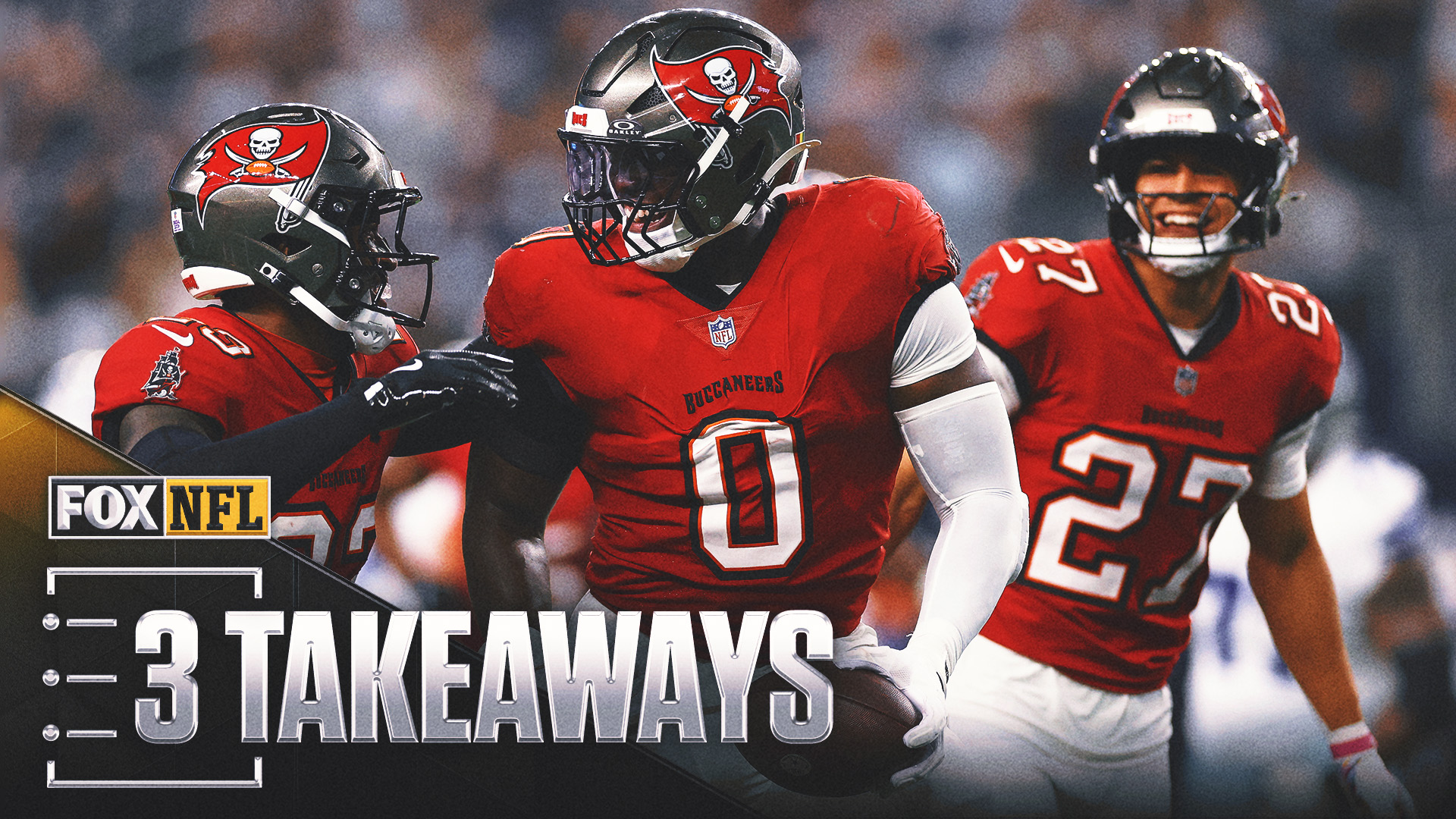
You know, there are some Thursday nights that feel like they were scripted by someone with a twisted sense of humor, and this was absolutely one of them. The Dallas Cowboys walked into AT&T Stadium as 9.5-point favorites, riding high on the idea that they were about to steamroll a winless Tampa Bay Buccaneers team that had spent the first month of the season looking lost. Instead, the football gods decided to flip the script in the most delicious way possible. The Buccaneers, with all the pressure in the world on their coaching staff and a roster desperate for a pulse, went into Arlington and did something nobody outside their own locker room really believed they could do: they won 24-16. It wasn’t just a win; it was a statement that the season wasn’t over, that Todd Bowles still had a team that would fight for him, and that maybe all that hot-seat talk was a little premature. For the Cowboys, though, the exact opposite happened. What was supposed to be a prime-time showcase for a team with Super Bowl aspirations turned into a night of boos, confusion, and the kind of questions that hang over a franchise like storm clouds. Dallas fell to 2-3, and suddenly the spotlight isn’t just warm — it’s scorching. Brian Schottenheimer, the Cowboys’ head coach, walked off that field knowing that the same noise that had been swirling around Todd Bowles all week was probably going to start following him around like a stray dog. Because in the NFC East, in a year where nothing is as it seems, losing to a winless team at home in prime time is the kind of thing that can define a season in the worst way.
Paragraph 2:
Let’s talk about Dak Prescott, because Thursday night was not his finest moment, and the home crowd let him hear it. This was supposed to be the game where the Cowboys’ franchise quarterback silenced all the doubters, where he came out and carved up a vulnerable defense and reminded everyone why he’s paid like one of the best in the league. Instead, for three and a half quarters, Prescott looked unsettled, rushed, and flat-out off. His two elite receivers, CeeDee Lamb and George Pickens, were supposed to be matchup nightmares, but Tampa Bay’s cornerbacks—Zyon McCollum and Jacob Parrish, of all people—played like they had personal vendettas. Pickens managed 63 yards on eight targets, but Lamb was invisible, held to just 9 yards on five targets until the game was already slipping away. The boos started raining down from the Dallas faithful midway through the fourth quarter after a high, incomplete pass on fourth down, and honestly, who could blame them? This was a team averaging 30 points per game, a juggernaut offense that had been carving up opponents. But after that opening drive, the offense turned into a pumpkin. They scored three points over the next seven possessions. Dak Prescott finished 24-of-42 for 316 yards, a touchdown, and two interceptions, but the numbers lied. Remove one 48-yard catch before halftime and he was 13 of 27 for 117 yards for most of the night. He got booed at home. His final pass was a tipped-ball interception off Jake Ferguson’s hands that killed any hope of overtime. The stat sheet says Prescott threw for over 300 yards, but anyone who watched the game knows it was a night to forget.
Paragraph 2:
What made it even more frustrating for Cowboys fans was that this was supposed to be the game where Dak Prescott reminded everyone why he’s the franchise quarterback. The Buccaneers came in winless, their defense was supposedly vulnerable, and Dallas had been putting up points at will, averaging 30 points per game. But football is a game of matchups, and Tampa Bay’s cornerbacks clearly didn’t get the memo that they were supposed to be overmatched. Zyon McCollum and Jacob Parrish spent the night shadowing CeeDee Lamb and George Pickens like they were shadows with badges, physical at the line and sticky in coverage. Lamb, who is supposed to be one of the most unstoppable receivers in the league, was basically invisible for the first three quarters, held to nine yards on five targets heading into the fourth. Pickens was a little more involved with 63 yards on eight targets, but he wasn’t the game-breaker Dallas needed. And as the pressure mounted, so did the frustration. The Cowboys came into this one averaging 30 points a game, second-best in the NFL, and they looked the part on their opening drive, marching down the field like it was a walkthrough. But after that, the offense hit a wall. Dallas managed only three points over their next seven drives, and the boos started raining down from fans who expect better. Dak Prescott, usually the consummate professional, couldn’t buy a clean completion to his star receivers. He finished the night 24 of 42 for 316 yards, a touchdown, and two brutal interceptions, but the numbers don’t tell the whole story. For three-plus quarters, he looked uncomfortable, unsure, and completely out of sync with CeeDee Lamb and George Pickens, both of whom were locked down by a Tampa secondary that played like their jobs depended on it. The boos came out when a fourth-down pass sailed high and incomplete, and honestly, you could feel the frustration dripping from the stands.
Paragraph 2:
Dak Prescott is going to take the brunt of the criticism, and to be fair, quarterbacks get the credit when things go well and the blame when they don’t, but Thursday night’s loss wasn’t entirely on him. It just felt like it was, especially in the moments that mattered most. The Cowboys came into this game averaging 30 points per game, second-best in the entire NFL, and they looked the part on their opening drive, marching down the field like they were playing a preseason scrimmage. But football is a game of momentum and rhythm, and after that first score, everything seemed to slip through their fingers. Prescott couldn’t find his two elite receivers, CeeDee Lamb and George Pickens, for what felt like an eternity. Credit has to go to the Bucs defensive backs, Zyon McCollum and Jacob Parrish, who played the game of their lives. Lamb was held to just nine yards on five targets heading into the fourth quarter. Nine yards. For a guy who is supposed to be one of the most dynamic playmakers in the league, that is borderline unthinkable. Pickens was a little better, but still not the game-changer Dallas needed. The Cowboys came in averaging 30 points a game, second-best in the NFL, and they looked explosive on their opening drive. But after that initial touchdown, the offense flatlined. They managed just three points over the next seven drives, and the boos started raining down from the stands. Dak Prescott, the quarterback who is supposed to carry this team, couldn’t find his receivers, couldn’t hit the deep ball, and couldn’t get out of his own way. At one point in the third quarter, if you took away a single 48-yard catch to Ryan Flournoy right before halftime, Prescott was just 13 of 27 for 117 yards. That’s not going to cut it, especially at home, especially on prime time, and especially when you’re supposed to be a Super Bowl contender.
Paragraph 2:
The boos started somewhere around the third quarter, and honestly, they felt inevitable. Dak Prescott is a very good quarterback, but on a stage like Thursday Night Football, with the eyes of the league on him and his team expected to roll, he simply didn’t get it done for most of the night. The Cowboys came in averaging 30 points a game, second best in the NFL, and they looked every bit that explosive on their opening drive. But football is a game of adjustments, and after that first scoring march, the Buccaneers defense did something that no one really saw coming: they made Dallas look ordinary, then frustrated, then outright lost. Prescott spent the next three quarters battling not just the Bucs defense but also his own accuracy. The two elite playmakers on the outside, CeeDee Lamb and George Pickens, were invisible for long stretches. Give credit where it’s due — Tampa’s corners, Zyon McCollum and Jacob Parrish, played the game of their lives. Lamb, a guy who can take over a game in the blink of an eye, was held to 9 yards on five targets entering the fourth quarter. Pickens was more involved but still not the difference-maker Dallas needed. The Cowboys came into this one averaging 30 points a game, second-best in football, but after that opening touchdown drive, they managed just three points over the next seven drives. The boos started raining down, and honestly, you couldn’t blame the home crowd. Dak Prescott, for all his regular-season heroics over the years, couldn’t find a rhythm. He missed high, he missed wide, and when he finally did get something going, it was too late. The final stat line — 24 of 42 for 316 yards, a touchdown, two interceptions — looks okay on paper if you ignore the fact that most of those yards came when the game was already slipping away. There was even a moment in the third quarter where, if you took away a single 48-yard connection, he was 13 of 27 for just 117 yards. The home crowd let him hear it, too. Boos rained down in his own building. That’s the kind of night it was for Dallas.
Paragraph 2:
But let’s be fair for a second and give the Tampa Bay secondary some real credit, because they didn’t just get lucky out there. The Buccaneers came into this game knowing exactly what they wanted to do: make Dak Prescott uncomfortable, take away his favorite weapons, and force him to hold the ball just a half-second too long. Cornerbacks Zyon McCollum and Jacob Parrish deserve a ton of praise for how they shadowed CeeDee Lamb and George Pickens all night. Lamb, who is supposed to be one of the most unstoppable receivers in the league, was essentially a non-factor for most of the night. Pickens managed to get some yards, but it was mostly volume without explosion. By the time the fourth quarter rolled around, Pickens had 63 yards on eight targets, and Lamb was sitting at just 9 yards on five targets. That’s not just winning individual battles; that’s a defensive game plan executed to perfection. The Cowboys came into this game averaging 30 points a game, second-best in the NFL, and they looked every bit of that on their opening drive. They moved the ball with confidence, punched it in, and for a moment it felt like the script was going to play out the way everyone expected. But then the offense vanished. After that opening score, the Cowboys managed just three points over their next seven drives. There was no rhythm, no flow, and most troubling of all, no connection between Dak Prescott and his playmakers when it mattered most. The boos started to rain down from the home crowd, and you could feel the frustration building in the stands. It wasn’t just that they were losing to a winless team; it was how they were losing, with the offense sputtering, the defense getting gashed, and the energy draining out of a stadium that had arrived expecting a blowout.
Paragraph 2:
Let’s talk about Dak Prescott, because his night was a microcosm of everything that went wrong for the Cowboys. This was supposed to be the game where he reminded everyone why he’s considered one of the better quarterbacks in the league. The Buccaneers came in winless, ranked near the bottom in just about every defensive category that matters, and were without any real reason to believe they could slow down one of the most explosive receiving corps in football. But football is not played on paper. Prescott spent the first three and a half quarters looking out of sync, missing open receivers, checking down too quickly, and at times forcing balls into windows that simply weren’t there. The worst moment came when a fourth-down pass sailed high and incomplete, and the home crowd, frustrated and fed up, let him hear it with boos echoing through AT&T Stadium. It was a stunning visual: a Cowboys quarterback who had been a franchise cornerstone, booed at home in prime time, not because of one bad play but because of a night full of them. Credit has to go to the Tampa Bay secondary, specifically corners Zyon McCollum and Jacob Parrish, who shadowed CeeDee Lamb and George Pickens all night and made Prescott work for every single completion. Lamb was essentially invisible for most of the game, held to just nine yards on five targets entering the fourth quarter, while Pickens was a non-factor until garbage time. The Cowboys came into this game averaging 30 points per game, second-best in the NFL, and they looked the part on the opening drive. But after that, the offense stalled. They managed just three points over their next seven possessions. It was a brutal, disjointed performance that had the home crowd booing by the third quarter, and honestly, you couldn’t blame them. Dak Prescott finished 24-of-42 for 316 yards with a touchdown and two interceptions, but the numbers were deceiving. If you took away one 48-yard catch right before halftime, he was barely completing half his passes. The offense looked out of sync, especially on the big stage, and by the time the Cowboys finally engineered a 99-yard touchdown drive in the fourth quarter, it felt like too little, too late. A potential game-tying drive ended the only way the night seemed destined to end: a tipped pass off Jake Ferguson’s hands that landed in the arms of Alex Anzalone for a game-sealing interception. The boos that rained down earlier in the night were bad enough; the quiet disbelief in the fourth quarter was somehow worse.
Paragraph 2:
Let’s talk about Dak Prescott, because Thursday night was not his finest hour. The man has been the face of this franchise for years, and nights like this only add fuel to the critics who wonder whether he can truly carry this team past the divisional round. It was supposed to be a get-right game, a chance to pile on a winless team and put the NFC East on notice. Instead, Dak spent most of the night looking uncomfortable, rattled, and oddly out of sync with the most talented weapons he has. For three-plus quarters, the Buccaneers’ secondary—especially cornerbacks Zyon McCollum and Jacob Parrish—did a number on CeeDee Lamb and George Pickens. Lamb was basically invisible, held to nine yards on five targets through the first three quarters. Pickens had a bit more volume, but nothing that really changed the game. You could feel the frustration building in the stands, and by the time a fourth-down pass sailed high and incomplete, the boo birds came raining down on Dak Prescott in his own building. That’s not something you expect to hear from a home crowd in a game you were supposed to win by double digits. Prescott’s final stat line — 24 of 42 for 316 yards, one touchdown, two interceptions — looks respectable if you just glance at it. But if you actually watched, you saw a quarterback who was out of sync, rattled at times, and missing throws he normally makes in his sleep. The offense scored on its opening drive and then went dormant, managing only three points over the next seven drives. There were flashes, like a 48-yard connection to Ryan Flournoy before halftime, but those moments were too rare. The Cowboys’ only real explosion came in the fourth quarter on a 99-yard touchdown drive, but by then, they were chasing the game. And when they had a chance to tie it late, Dak Prescott’s pass bounced off Jake Ferguson and into the waiting arms of Alex Anzalone for a crushing interception. That’s how nights go when you’re supposed to win and don’t.
Paragraph 2:
For Dak Prescott, this was the kind of performance that invites uncomfortable questions, not because he’s a bad quarterback, but because he’s supposed to be one of the best in the league, and on a national stage, against a winless team that was ripe for the taking, he simply wasn’t. The stat line—24 of 42 for 316 yards, one touchdown, two interceptions—looks okay on the surface, but the story was in the rhythm, or lack thereof. For three and a half quarters, Prescott couldn’t connect with his two biggest weapons. CeeDee Lamb, normally a human highlight reel, was stuck at nine yards on five targets heading into the fourth quarter. And George Pickens, who the Cowboys brought in to be the physical, explosive complement to Lamb, was held to 63 yards on eight targets. It wasn’t for a lack of trying; it was that Tampa Bay’s cornerbacks, Zyon McCollum and Jacob Parrish, had clearly done their homework. They pressed at the line, they rolled coverage over the top, and they refused to let Dallas’s playmakers breathe. By the time the third quarter rolled around, the boos were raining down on Prescott in his own building. That fourth-down pass that sailed high and incomplete was the low point of the night for the home crowd, a moment where even the most loyal Cowboys fans had seen enough. Prescott’s final line—24 of 42 for 316 yards, one touchdown, two interceptions—looks respectable in a box score, but anyone who watched knows the truth. The rhythm was off, the throws were late, and when it mattered most, the offense just couldn’t finish. The 99-yard touchdown drive in the fourth quarter was a flicker of hope, but it felt like a mirage in the desert, especially after his final pass bounced off Jake Ferguson and into the arms of Alex Anzalone to seal the Bucs’ win.
Paragraph 2:
Let’s talk about Dak Prescott, because Thursday night was a rollercoaster of frustration for anyone wearing a star on their helmet. This was supposed to be the game where the Cowboys’ franchise quarterback reminded the league how dangerous this offense could be. Instead, for three-plus quarters, he looked out of sync, pressing, and at times simply unlucky. The boos that rained down from the stands in Arlington were pointed and personal, the kind of sound that tells you exactly how far expectations have fallen when your own fans turn on you. Dak’s final stat line — 24 of 42 for 316 yards, a touchdown, and two interceptions — actually looks a lot better than the night really was, because so much of that production came in garbage time or on broken plays. If you took away the 48-yard completion to Ryan Flournoy right before halftime, he was a shade over 40 percent passing at one point in the third quarter. That’s not going to cut it, especially when you have CeeDee Lamb and George Pickens out there on the outside. Give the Bucs secondary credit: Zyon McCollum and Jacob Parrish played sticky, physical coverage all night, limiting Lamb to 9 yards on five targets and keeping Pickens relatively quiet until the game was already slipping away. The Cowboys came in averaging 30 points a game, second-best in the NFL, and they looked every bit that explosive on their opening drive. But after that, the offense vanished. They managed just three points over the next seven drives, and the boos started raining down from the stands at AT&T Stadium. Dak Prescott was off, unsure, and by the fourth quarter he was getting serenaded by his own fans after a failed fourth-down pass. He finished 24-of-42 for 316 yards, a touchdown, and two interceptions, but the numbers flatter him. Remove one 48-yard catch by Ryan Flournoy right before halftime, and Prescott was 13-of-27 for 117 yards through three quarters. The final drive ended the way the whole night seemed destined to end: a pass bounced off Jake Ferguson’s hands and into the arms of Alex Anzalone, sealing Tampa’s win. The boos from the Dallas crowd said everything you needed to know.
Paragraph 2:
It would be easy to look at Dak Prescott’s final stat line—24 of 42 for 316 yards, a touchdown, and two interceptions—and think he kept the Cowboys in the game. But numbers can be incredibly deceptive, and Thursday night was a masterclass in why stats don’t always tell the truth. For three-plus quarters, Prescott was off. Not just a little off, either. He was missing throws he normally makes in his sleep, especially to his two best weapons. CeeDee Lamb and George Pickens were supposed to be the reason the Cowboys had one of the most dangerous passing attacks in football. Instead, they were ghosts for most of the night. Lamb was held to just 9 yards on five targets entering the fourth quarter, and Pickens, while a bit more involved with 63 yards by that point, wasn’t the explosive difference-maker Dallas needed. The crowd at AT&T Stadium, which had come expecting a blowout, started to turn. Boos rained down after a fourth-down pass sailed high and incomplete, and you could almost feel the frustration radiating off the home crowd. It wasn’t just that the Cowboys were losing; it was how they were losing. They looked disjointed, out of sync, and frankly a step slow on both sides of the ball. Dak Prescott finished 24 of 42 for 316 yards, a touchdown, and two interceptions, but those numbers are flattering. For most of the night, he was forcing throws, missing open receivers, and holding onto the ball a beat too long. If you took away one 48-yard catch right before halftime, Prescott was just 13 of 27 for 117 yards through three quarters. The boos started early and got louder as the game went on, and by the time his fourth-down pass sailed high and incomplete, the home fans had seen enough. The final drive, which ended with a tipped pass off Jake Ferguson’s hands and into Alex Anzalone’s arms, was a fitting conclusion to a night when nothing came easy for Dallas.
Paragraph 2:
Dak Prescott has built a career on regular-season excellence, but on nights like this, against a team you’re supposed to beat, the criticism is inevitable. The Cowboys came into this game averaging 30 points per game, second-best in the league, and after their opening drive—a methodical march down the field that ended in the end zone—it looked like business as usual. But then something strange happened: the offense just stopped. It wasn’t one thing; it was everything. Prescott was missing throws he normally makes. CeeDee Lamb, one of the most dangerous receivers in football, couldn’t buy separation. George Pickens, who’s supposed to be the physical presence on the outside, was locked down by a Tampa secondary that had no business being this good on paper. By the time the third quarter rolled around, the home crowd had gone from nervous to frustrated to outright hostile, and when Prescott lofted a fourth-down pass that sailed high and incomplete, the boos rained down from the stands at AT&T Stadium. That’s the reality of playing quarterback in Dallas: you can be the highest-paid player in franchise history, you can have all the individual accolades in the world, but if you’re not getting it done in prime time, the fans are going to let you hear it. And to be fair, Prescott didn’t get much help. His receivers couldn’t create separation early, the offensive line had no answers on third-and-long, and every time the offense started to build a little momentum, a penalty or a missed throw killed the drive. He finished the night 24 of 42 for 316 yards, a touchdown, and two interceptions, but those numbers were emptier than they looked. The box score will say he threw for 300 yards, but anyone who watched the game knows he was off. A fourth-down pass that sailed high and incomplete drew boos from the home crowd, and those boos were loud. The Cowboys are supposed to be contenders. On Thursday, they looked like pretenders, at least until it was too late.
Paragraph 2:
The most frustrating part for Dallas fans wasn’t that they lost. It was how they lost, and who they lost to. This was a Tampa Bay team that had scored just 20 total points in the previous two weeks combined, a team that looked disjointed, uninspired, and frankly, a little soft under first-year offensive coordinator Zac Robinson. The Cowboys, on the other hand, came in averaging 30 points per game, second-best in the league, and they had just watched their defense make a big splash trade to bring in cornerback Joey Porter Jr. from the Steelers. Everything pointed to a get-right game, a chance to show the rest of the NFC East that they were still the team to beat. But football doesn’t care about narratives, and Dak Prescott found that out the hard way. For three and a half quarters, Prescott looked uncomfortable, unsettled, and out of sync. His two elite receivers, CeeDee Lamb and George Pickens, were virtual non-factors thanks to some aggressive coverage from Tampa Bay’s corners. Lamb finished with just nine yards on five targets, and while Pickens had a bit more room, he wasn’t the difference-maker Dallas needed. The boos started raining down from the stands at AT&T Stadium, and honestly, they were deserved. When you’re the starting quarterback for America’s Team, at home, against a winless opponent, and you can’t move the ball, you’re going to hear it. Prescott did lead a 99-yard touchdown drive in the fourth quarter, which was gutsy and briefly made things interesting, but that was too little, too late. His final stat line—24-of-42 for 316 yards, a touchdown, and two interceptions—looks decent on paper, but the game was far uglier than the numbers suggest. The boos that rained down in the third quarter said everything you needed to know about how the home crowd was feeling.
Paragraph 2:
For Dak Prescott, this was supposed to be the night he quieted the doubters, the night he stepped up against a vulnerable defense and reminded everyone why the Cowboys gave him that big contract. Instead, it became another frustrating chapter in a season that is quickly slipping away. Prescott spent most of the night throwing passes that were high, wide, or just flat-out dropped. His two elite receivers, CeeDee Lamb and George Pickens, were virtual non-factors for most of the game, and that was no accident. Tampa Bay’s cornerbacks, Zyon McCollum and Jacob Parrish, deserve a ton of credit for the way they blanketed Dallas’s playmakers all night. Pickens did manage to collect 63 yards on eight targets, but Lamb was a ghost, held to just nine yards on five targets until the game had already started slipping away. It was the kind of performance that gets a home crowd restless, and sure enough, the boos started raining down from the stands at AT&T Stadium. The low point came in the fourth quarter when Prescott tried to force a pass on fourth down, the ball sailed high and incomplete, and the home faithful let him hear it. The stat line looks respectable on the surface — 24 of 42 for 316 yards, a touchdown, and two interceptions — but the numbers are misleading. Remove one 48-yard catch to Ryan Flournoy right before halftime, and Prescott was 13-of-27 for just 117 yards through the third quarter. The offense that had been averaging 30 points a game suddenly looked disjointed, and the boos echoed through Jerry World like a bad omen.
Paragraph 2:
The most frustrating part for Cowboys fans wasn’t just the loss; it was the way the offense sputtered when it mattered most. Dak Prescott, to his credit, never stopped competing, but Thursday night was a grind for him. He spent most of the first three quarters forcing passes into tight windows, overthrowing open receivers, and generally looking like a quarterback who was out of sync with the guys wearing the same jersey. CeeDee Lamb, normally a sure-handed security blanket, was targeted five times and caught just one ball for nine yards through the first three quarters. George Pickens, the big-bodied playmaker Dallas had paired with Lamb, didn’t fare much better for most of the night, finishing with 63 yards on eight targets. The Buccaneers’ cornerbacks, Zyon McCollum and Jacob Parrish, deserve a ton of credit for making the Cowboys’ passing attack look completely disjointed. Prescott was pressured, his timing was off, and when he did let it fly, the ball often sailed high or was tipped. The boos started raining down from the home crowd, and honestly, you couldn’t blame them. This was a game where Dallas was supposed to remind everyone why they were considered contenders. Instead, they looked like a team that couldn’t get out of its own way. The final stat line for Prescott—24 of 42 for 316 yards, a touchdown, and two interceptions—looks respectable on paper, but the numbers lied. Without a 48-yard catch right before halftime, he was barely completing half his passes, and the offense spent most of the night looking disjointed, out of sync, and frankly, a little afraid of the moment.
Paragraph 2:
The most damning part of the night for the Cowboys wasn’t just that they lost, but how they lost. This was supposed to be Dak Prescott’s coming-out party in prime time, a chance for him to silence the doubters and prove Dallas belonged in the conversation with the NFL’s elite. Instead, he found himself being booed by the home crowd at AT&T Stadium, and honestly, the fans had every right to let him hear it. For three and a half quarters, Prescott looked out of sync with his star receivers, and the offense was a mess whenever it mattered. CeeDee Lamb, one of the most dynamic playmakers in the league, was a non-factor for most of the night, finishing with just 9 yards on five targets entering the fourth quarter. George Pickens, who’s supposed to be the deep threat that stretches defenses and opens up everything underneath, was kept in check by the Bucs’ corners, Zyon McCollum and Jacob Parrish, for the better part of three quarters. It was frustrating to watch because we know what Prescott can do with these weapons. But for three-plus quarters, the Cowboys’ passing game was completely out of sync. The low point came when Prescott’s fourth-down pass sailed high and incomplete, prompting boos from his own home crowd. The stat line looked okay on paper — 24 of 42 for 316 yards, a touchdown, and two interceptions — but the eye test told a different story. Remove one 48-yard gain to Ryan Flournoy just before halftime, and Prescott was 13 of 27 for only 117 yards through three quarters. The Cowboys came in averaging 30 points a game, but after their opening drive, they scored just three points over the next seven drives. A 99-yard touchdown drive in the fourth quarter made things interesting, but the final drive ended with a tipped pass bouncing off Jake Ferguson and into the hands of Alex Anzalone. That was the game. That was the story.
Paragraph 2:
For Dallas, the most uncomfortable part wasn’t just losing. It was the way it happened, and how familiar it all felt. Dak Prescott, the man who is supposed to be the franchise quarterback, spent most of the night misfiring to two of the most talented receivers in football. CeeDee Lamb and George Pickens were supposed to be the mismatch weapons that made this offense unstoppable, but Tampa Bay’s cornerbacks, Zyon McCollum and Jacob Parrish, refused to let that happen. Lamb was completely invisible for most of the night, finishing with just 9 yards on five targets. Pickens had a little more room to work with, but 63 yards on eight targets wasn’t the kind of explosive production Dallas needed from its playmakers. Prescott, to his credit, took some chances, but he was off. At one point in the third quarter, if you took away a 48-yard connection to Ryan Flournoy right before halftime, he was 13 of 27 for only 117 yards. That’s not going to cut it in prime time, and the home crowd let him hear it. Boos rained down after a fourth-down pass sailed high and incomplete, a moment that felt like a turning point in the game and maybe in the Cowboys’ season. The stat sheet ended up looking respectable—24 of 42 for 316 yards, a touchdown, and two interceptions—but the numbers were flattering. The offense was disjointed, Prescott was under duress, and his two elite receivers were largely invisible. CeeDee Lamb, supposedly one of the best in the game, was held to 9 yards on five targets through the first three quarters. George Pickens, the new sidekick, had 63 yards on eight targets but disappeared when it mattered most. The final interception, a tipped ball off Jake Ferguson’s hands and into the arms of Alex Anzalone, was a fitting end to a night where nothing came easy.
Paragraph 2:
For Dak Prescott, this was supposed to be the night he silenced the doubters. A winless division opponent, a prime-time stage, a chance to put the Cowboys at 3-2 and firmly in the NFC East mix. Instead, he spent most of the evening staring down pressure, missing open receivers, and feeling the full, merciless weight of his home crowd’s frustration. The boos started in the third quarter, and honestly, they felt justified. Not because Prescott isn’t a good quarterback, but because this was the kind of performance that makes you wonder if he can ever carry a team when the pieces around him aren’t perfect. His stat line looks respectable on paper — 24 of 42 for 316 yards, a touchdown and two interceptions — but the numbers were inflated by a 48-yard catch by Ryan Flournoy right before halftime. If you took that one play away, Prescott was a disastrous 13 of 27 for just 117 yards through most of the third quarter. He couldn’t connect on deep shots, he missed open receivers, and he got booed on his home field. That’s not just a bad night; that’s the kind of performance that gets a quarterback’s heart rate up in a bad way when he’s trying to lead a team that was supposed to contend. His two elite receivers, CeeDee Lamb and George Pickens, were locked down by a Tampa secondary that played with a physicality and edge that surprised everyone. Lamb, in particular, was invisible for three quarters, and by the time Dallas tried to flip the switch, it was too late. The final drive, the one that could have tied the game, ended with a pass that ricocheted off Jake Ferguson and into the arms of Alex Anzalone. Dak finished with 316 yards and a touchdown, but also two interceptions, and the stats flatter a night that felt far uglier in the moment. The boos rained down, and honestly, who could blame the home crowd? This was not what they signed up for.
Paragraph 2:
Let’s talk about Dak Prescott, because Thursday night was a strange, frustrating ride for the Cowboys’ quarterback. It wasn’t that he was terrible, but he wasn’t the guy Dallas needed him to be in a game that was supposed to be a get-right moment. The Bucs defense, to their credit, came in with a plan and executed it beautifully. Zyon McCollum and Jacob Parrish shadowed CeeDee Lamb and George Pickens all night, pressing at the line, jamming routes, and making Prescott hold the ball just a beat too long. Entering the fourth quarter, Pickens had 63 yards on eight targets, which is fine, but Lamb was basically invisible with 9 yards on five targets. For a Cowboys offense that came in averaging 30 points per game, second-best in the NFL, the rhythm just wasn’t there. After a beautiful opening drive that ended in a touchdown, Dallas managed only three points over their next seven drives. There were flashes—a 48-yard catch by Ryan Flournoy just before halftime, a gutsy 99-yard touchdown drive in the fourth quarter after a goal-line stand by the defense—but it was too little, too late. The final stat line for Dak Prescott, 24-of-42 for 316 yards, a touchdown and two interceptions, looks respectable if you just glance at it. But if you watched, you saw a quarterback under duress, missing throws, and at one point in the third quarter, if you took away that one big 48-yard completion, he was just 13 of 27 for 117 yards. The home crowd booed him. The offense stalled. And the final interception, a deflection off Jake Ferguson that landed in the arms of Alex Anzalone, felt almost inevitable. The Cowboys had their chances, but they never looked like a team ready to seize the moment. They looked flat, disjointed, and strangely soft for a squad that had been averaging 30 points per game.
Paragraph 2:
Dak Prescott’s night was a microcosm of everything that went wrong for Dallas. For the first three quarters, he was fighting an invisible battle against a Tampa Bay secondary that simply refused to let him get comfortable. CeeDee Lamb and George Pickens, two receivers who are supposed to be matchup nightmares, were locked down by Zyon McCollum and Jacob Parrish. It got so bad that by the fourth quarter, Lamb had just nine yards on five targets, and even the reliable connection that usually bails out Dallas in tough moments was missing in action. The boos started to rain down from the home crowd after a fourth-down pass sailed high and incomplete, and honestly, you could understand the frustration. This was the same offense that had been averaging 30 points per game, second-best in the NFL, but they looked disjointed, frustrated, and strangely passive. They did score on their opening drive, but then the offense went into a coma. Over the next seven drives, the Cowboys managed just three points, and the rhythm that Dak Prescott normally finds with his playmakers just never materialized. The stat sheet will say Prescott threw for 316 yards and a touchdown, but numbers can be deceiving. A lot of those yards came when the game was already on the line, and the Cowboys were desperate. He finished 24 of 42 with two interceptions, including a dagger of a pass that bounced off Jake Ferguson and into the arms of Alex Anzalone when Dallas was trying to tie the game late. The boos from the home crowd said it all. This wasn’t just a loss; it was the kind of performance that makes you question whether this offense is truly built to win when it matters most.
Paragraph 2:
The most frustrating part for Cowboys fans wasn’t just that they lost, but the way the offense sputtered. This was supposed to be a get-right game. Dak Prescott against a winless team, at home, under the lights, with CeeDee Lamb and George Pickens running routes. It was a chance to make a statement after a shaky start. Instead, Prescott spent most of the night looking uncomfortable, throwing off his back foot, missing open windows, and generally unable to find any rhythm. The boos started to rain down in AT&T Stadium after a fourth-down pass sailed high and incomplete, and honestly, you couldn’t blame the home crowd. This was a team that had been putting up points all season—30 points per game, second-best in the NFL—and they came out flat, disjointed, and frankly, a little scared against a Tampa Bay defense that had been carved up for weeks. By the time the fourth quarter rolled around, Prescott had completed just over half his passes if you took away one big play, and the frustration was written all over his face. The final stat line of 24-of-42 for 316 yards, a touchdown, and two interceptions looks respectable on paper, but anyone watching knows the truth: he was off target all night, especially early, and the boos that rained down from the Dallas faithful were completely justified. Even the lone highlight, a 99-yard touchdown drive after a goal-line stand, felt like too little, too late, and the game ended with Prescott’s pass bouncing off Jake Ferguson’s hands and into the arms of Alex Anzalone. For a quarterback who’s heard every criticism in the book, this was another chapter he’d rather forget.
Paragraph 2:
What made this loss especially frustrating for Dallas was that it wasn’t just one thing that went wrong; it was the entire rhythm of the offense, and Dak Prescott couldn’t find a way to shake it. For three-plus quarters, Prescott and his two elite receivers, CeeDee Lamb and George Pickens, just couldn’t connect. Lamb, usually a guy who can get open against anyone, was shadowed all night and finished with just 9 yards on five targets through the fourth quarter. Pickens was a bit more productive with 63 yards on eight targets, but that was still far from the explosive performance Dallas needed. The boos started raining down from the home crowd after a fourth-down pass sailed high and incomplete, and honestly, you could feel the frustration in the building. The Cowboys came into this one averaging 30 points a game, second-best in the NFL, and they looked unstoppable on their opening drive. Then, the well went dry. Three points over the next seven drives. Three. The offense that had been humming all season suddenly looked out of sync, and Dak Prescott, for all his regular-season résumé, couldn’t find a rhythm. He finished 24 of 42 for 316 yards, a touchdown, and two interceptions, but those numbers flatter him. Remove one beautiful 48-yard connection to Ryan Flournoy late in the first half, and he was a mess for most of the night, especially on third and fourth downs. The boos rained down from the Dallas faithful, and honestly, they had every right to be frustrated. When you’re the home quarterback at AT&T Stadium and you’re hearing boos, it’s not just a bad night; it’s a signal that the patience is wearing thin.
Paragraph 2:
And it wasn’t just the boos. It was the way the Cowboys’ offense kept shooting itself in the foot. Dak Prescott, to be fair, didn’t get much help from his pass catchers or his protection in key moments, but he also missed more throws than he usually does. The chemistry that needs to exist between a franchise quarterback and his two elite receivers just wasn’t there for three-plus quarters. CeeDee Lamb, normally a safety blanket, couldn’t get any separation, and George Pickens, the big-bodied playmaker they’d brought in to give Prescott another weapon, was similarly bottled up. Tampa’s cornerbacks, Zyon McCollum and Jacob Parrish, deserve a lot of credit for that, but at some point, the Cowboys have to look inward. Lamb finished with just nine yards on five targets entering the fourth quarter, which is absolutely wild for a player of his caliber. Pickens was better but hardly dominant, and the offense as a whole just looked out of sync. Dallas came into the night averaging 30 points per game, second-best in the NFL, and they did score on their opening drive, which felt like the beginning of a blowout. But then the offense just went quiet. Three points over the next seven drives. Boos rained down from the home crowd. And when a fourth-down pass from Dak Prescott flew high and incomplete, the frustration in the building was palpable. Prescott finished 24 of 42 for 316 yards, a touchdown, and two interceptions, but those numbers are flattering. Remove one 48-yard connection to Ryan Flournoy right before halftime, and his night was a brutal 13-of-27 for just 117 yards through three quarters. The final drive had a chance, but a pass that bounced off Jake Ferguson’s hands into Alex Anzalone’s lap sealed it. Too many missed chances, too many boos from the home crowd, and too many questions for a Cowboys team that keeps finding ways to underwhelm.
Paragraph 2:
The most frustrating part for Dallas isn’t just that they lost; it’s that the game followed a painfully familiar script. Dak Prescott, the man who is supposed to be the face of this franchise and the reason they believe they can win big games, looked out of sync for most of the night. There were moments when it felt like he was seeing ghosts, holding the ball a beat too long or checking down when CeeDee Lamb and George Pickens were running open downfield. And when he did let it fly, the passes were often high, behind, or just a touch too late. By the time the fourth quarter rolled around, the home crowd had seen enough. Boos rained down on him at AT&T Stadium after a fourth-down pass sailed incomplete, and you could feel the frustration in the air. The Cowboys came into this game averaging 30 points a game, second-best in the NFL. They scored on their opening drive with ease, and then it was as if the offense just… vanished. Over the next seven drives, they managed only three points. It wasn’t just that the Buccaneers’ defense was playing well—though to their credit, they were—it was that Dallas kept shooting itself in the foot with missed opportunities, questionable decisions, and, at the biggest moments, inaccurate throws. Dak Prescott finished 24 of 42 for 316 yards, a touchdown, and two interceptions, but the numbers flatter him. For most of the night, he looked out of sync with his receivers. CeeDee Lamb was basically invisible, and even when Prescott had time, the ball sailed high or wide. By the fourth quarter, the home crowd had seen enough and let him hear it with boos. That 99-yard touchdown drive in the fourth quarter? Great. But it felt like too little, too late, and the final interception off a Jake Ferguson tip was a sad metaphor for the night.
Paragraph 2:
It’s hard to know exactly where to place the blame for the Cowboys’ offensive mess, but Dak Prescott certainly wasn’t immune. Here was a quarterback who came into the season with MVP buzz, a stacked receiver room, and a defense that was supposed to be at least good enough to keep games manageable. Instead, he spent most of the night looking frustrated, patting the ball, holding it a beat too long, and watching his receivers get blanketed by a Tampa Bay secondary that had been lit up all season. The boos started somewhere in the third quarter, after another high pass sailed over the head of a receiver on fourth down, and honestly, it was hard to blame the home crowd. This was supposed to be the week the Cowboys made a statement, and instead they looked disjointed, out of sync, and completely ordinary. The stat line for Prescott — 24 of 42 for 316 yards, a touchdown, and two interceptions — looks respectable on paper, but the numbers were hollow. Take away one 48-yard bomb to Ryan Flournoy right before halftime, and Prescott was a pedestrian 13 of 27 for 117 yards through three quarters. He was booed at home. By his own fans. In a game where the defense was supposed to be the problem, the offense was equally culpable, and the final interception, a tipped ball off Jake Ferguson’s hands with the game on the line, was a painful bookend to a night that was supposed to be a statement. The Cowboys had been averaging 30 points per game, but after that opening-drive touchdown, they managed just three points over their next seven drives. Lamb and Pickens were invisible for most of the night, held in check by a Bucs secondary that had no business being this effective, yet somehow was. By the time Prescott finally found something resembling a rhythm in the fourth quarter, the hole was too deep, the mistakes too many, and the boos too loud to ignore. That 99-yard touchdown drive felt like a flicker of hope, but it was extinguished just as quickly when the final desperation drive ended in an interception. Prescott finished with 316 yards, a touchdown, and two interceptions, but the numbers flatter him. For three quarters, he was inaccurate, unsettled, and completely out of sync with the very weapons who are supposed to make him elite.
Paragraph 2:
And honestly, you have to feel for Dak Prescott in a weird way, because Thursday night was not the story of a quarterback falling apart in spectacular fashion. It was something more frustrating—it was death by a thousand paper cuts, a night where nothing felt easy, nothing felt in rhythm, and every big moment seemed to slip just beyond his fingertips. The boos started raining down from the Dallas faithful late in the third quarter when a fourth-down pass flew high and incomplete, and you could almost feel the collective weight of expectation crush the home sideline. Prescott finished 24 of 42 for 316 yards, a touchdown, and two interceptions. On paper, those numbers don’t look terrible. But numbers have a way of lying. Through the first three quarters, if you took away one beautiful 48-yard connection to Ryan Flournoy right before the half, he was just 13 of 27 for 117 yards. That’s not just inefficient; that’s a quarterback completely out of sync against a defense that had been gashed all season. The two stars of the receiving corps, CeeDee Lamb and George Pickens, were virtual non-factors for most of the night. Tampa Bay’s corners, Zyon McCollum and Jacob Parrish, deserve a lot of credit for blanketing them. Lamb had just 9 yards on five targets entering the fourth quarter, and Pickens, while a little more involved with 63 yards, never really broke the game open. The Cowboys came in averaging 30 points a game, but after that opening drive, they managed only three points over the next seven possessions. The boos started in the third quarter, and by the time Dak Prescott’s fourth-down pass sailed high and incomplete, the home crowd had seen enough. It was ugly, it was frustrating, and it was all too familiar.
Paragraph 3:
The defense, though, deserves its own share of blame, and that’s the scarier part for Dallas. New defensive coordinator Christian Parker was supposed to be the answer, the guy who would take a unit loaded with talent and finally make them look like the elite group they were always supposed to be. Five weeks in, that simply hasn’t happened. The Cowboys came into Thursday with a bottom-five defense in almost every meaningful statistical category, and the Buccaneers exploited them exactly how you’d expect. Tampa Bay ran the ball right at them, over and over, and the Dallas front seven had absolutely no answer. Bucky Irving’s 72-yard burst was the headline, but it wasn’t a fluke—it was the result of gaping holes, missed tackles, and a defense that looked completely out of sync. By the time the fourth quarter rolled around, the Bucs had piled up over 200 rushing yards, finishing with 241 on the night. If you’re keeping score at home, that pushes Dallas to 168.8 rushing yards allowed per game this season, a pace that would be the worst for the franchise since their very first season back in 1960. That’s not just bad; that’s historically, embarrassingly bad. The Cowboys tried to address a need by trading for cornerback Joey Porter Jr. from the Steelers, but he was a late scratch because of illness, so even that hoped-for spark was missing. The pass rush, which was supposed to be the engine of this defense, has generated just five sacks in five games. Five. In a division where you have to beat teams with physicality up front, Dallas is getting pushed around at the line of scrimmage, and no amount of scheme can fix that.
Paragraph 2:
For Dak Prescott, this was supposed to be the night he reminded everyone why he was being mentioned among the league’s best. It was prime time, at home, against a team that couldn’t buy a win, and a chance to put the Cowboys back on track. Instead, Thursday night turned into a nightmare that had the home crowd booing him by the fourth quarter. It wasn’t all his fault, but when you’re the quarterback of America’s Team, you eat the criticism. Prescott spent most of the night misfiring to CeeDee Lamb and George Pickens, two receivers who were supposed to be matchup nightmares for a struggling Tampa Bay secondary. But Bucs corners Zyon McCollum and Jacob Parrish had other ideas. They played press coverage with physicality, disrupted timing, and refused to let Dallas’ offense get into any kind of rhythm. Lamb, normally a chain-mover, was held to just 9 yards on five targets entering the fourth quarter. Pickens managed 63 yards on eight targets, but most of that production felt meaningless, coming in chunks that never translated into points. The Cowboys came into this game averaging 30 points per game, second-best in the NFL. They scored on their opening drive, and then, almost as if the offense decided to take the rest of the night off, they managed just three points over the next seven drives. There was a 99-yard touchdown drive in the fourth quarter that briefly made things interesting, and a final possession that reached Tampa Bay’s 33-yard line. But any hope of a tying score evaporated when Dak Prescott’s pass deflected off Jake Ferguson and into the arms of Alex Anzalone for a game-sealing interception. Prescott finished 24 of 42 for 316 yards, a touchdown, and two interceptions, but the numbers felt emptier than they looked. He was booed at home. That’s where this franchise is right now.
Paragraph 2:
And honestly, the boos were completely justified if you were watching the same game. Dak Prescott is not a bad quarterback; nobody is seriously arguing that. But on a night when the Cowboys needed him to be the stabilizing force, he looked unsettled and out of rhythm. The Tampa Bay secondary, especially corners Zyon McCollum and Jacob Parrish, deserves a ton of credit for blanketing CeeDee Lamb and George Pickens all night. Lamb, who usually eats double teams for breakfast, was held to just 9 yards on five targets entering the fourth quarter. Pickens wasn’t much better, scratching out 63 yards but never really breaking the game open. This was supposed to be the kind of prime-time statement where Dak Prescott carved up a winless team and reminded everyone why the Cowboys were contenders in the NFC East. Instead, the home crowd spent most of the night groaning, and by the time a fourth-down pass flew high and incomplete, the boos rained down from the stands. Prescott’s stat line — 24 of 42 for 316 yards, a touchdown and two interceptions — looks respectable on paper, but it doesn’t tell the real story. Remove a 48-yard catch by Ryan Flournoy right before halftime, and Prescott was just 13 of 27 for 117 yards through three quarters. He was missing throws, forcing passes, and generally looking like a quarterback burdened by the weight of an entire franchise’s expectations. The Cowboys’ final drive was a microcosm of their night: they moved the ball, but when it mattered most, a pass bounced off Jake Ferguson and into the arms of Alex Anzalone. Ballgame.
Paragraph 2:
The offense that had been so explosive through the first month simply disappeared for long stretches, and the most frustrating part for Cowboys fans is that the blueprint for stopping them didn’t require a defensive genius. Dak Prescott, for all his talent and all his money, looked rattled. He was booed at home, and frankly, the fans had every right to let him hear it. When you have CeeDee Lamb and George Pickens on the outside, when you’re playing against a Tampa Bay secondary that had been gashed all season, you cannot go through long stretches where your two best playmakers might as well be invisible. Credit goes to Zyon McCollum and Jacob Parrish, who played press-man coverage like their jobs depended on it. Lamb was held to nine yards on five targets through the first three quarters, and Pickens, though he had a couple of catches, never truly broke loose until the game was almost out of reach. Prescott looked unsettled, uncomfortable, and at times, almost unsure of where to go with the football. The Cowboys came in averaging 30 points a game, second in the NFL, but after that opening-drive touchdown, the offense stalled. They managed just three points over their next seven possessions. The boos started in the third quarter and grew louder after a fourth-down pass sailed high and incomplete, and honestly, the home crowd had every right to be frustrated. Dallas had no rhythm, no answers, and no urgency until it was almost too late. A 99-yard touchdown drive in the fourth quarter gave everyone a brief moment of hope, but then came the crushing end: a fourth-quarter pass bounced off Jake Ferguson and into the arms of Alex Anzalone, sealing the game for Tampa Bay. Prescott finished 24 of 42 for 316 yards, a touchdown, and two interceptions, but the numbers were hollow. If you took away one 48-yard completion, his night looked even worse. The Cowboys’ high-powered offense, the one averaging 30 points per game coming in, scored just 16.
Paragraph 2:
What made this loss so painful for Dallas wasn’t just the final score, it was the way it unfolded. The Cowboys had every opportunity to turn this into the blowout everyone expected. They came out and scored on their opening drive, moving the ball with ease and looking like the team that had been putting up 30 points a game. Then, as if someone flipped a switch, the offense went cold. Over the next seven drives, they managed just three points. Dak Prescott, the man who is supposed to be the franchise cornerstone, looked anything but comfortable in the pocket. His two elite receivers, CeeDee Lamb and George Pickens, were shadowed all night by Tampa’s secondary, and Prescott’s frustration boiled over in a very visible way. He was booed at home. Booed. By his own fans. That’s the kind of thing that gets a quarterback scrutinized in any market, but in Dallas, where every game is a referendum on the franchise, it feels ten times louder. Prescott completed 24 of 42 passes for 316 yards, a touchdown, and two interceptions, but those numbers are far more flattering than his actual night. If you take away a 48-yard catch-and-run to Ryan Flournoy just before the half, he was 13 of 27 for just 117 yards through the third quarter. The deep ball wasn’t there. The rhythm wasn’t there. And for most of the night, Lamb and Pickens—the two guys who are supposed to make this offense unstoppable—were invisible. The final drive, when the Cowboys had a chance to tie it, ended with a pass that bounced off Jake Ferguson and into the arms of Alex Anzalone. That moment, more than anything, felt like the perfect metaphor for Dallas’s night: a little bit of pressure, a little bit of bad luck, and a whole lot of falling short.
Paragraph 2:
Let’s talk about Dak Prescott, because this was supposed to be his night to silence all the doubters. Facing a winless Buccaneers defense that had been gashed all season, this was the kind of prime-time stage where elite quarterbacks are supposed to shine. Instead, Prescott spent most of the night looking uncomfortable, misfiring on passes he usually completes in his sleep and failing to connect with his top playmakers when it mattered most. The stat sheet will tell you he threw for 316 yards and a touchdown, but those numbers are incredibly misleading. For three and a half quarters, he was off. His timing was a half-beat late, his accuracy was inconsistent, and when he did let it fly, the ball often sailed high or skipped past his receivers. The boos started raining down at AT&T Stadium after a fourth-down pass sailed incomplete, and honestly, it was hard to blame the home crowd. This was supposed to be the game where Dak Prescott and the Cowboys’ offense announced they were ready to contend in a wide-open NFC. Instead, Prescott looked uncomfortable, pressing against a Tampa Bay secondary that had been beaten up all season. Give credit where it’s due: Bucs cornerbacks Zyon McCollum and Jacob Parrish did a phenomenal job on CeeDee Lamb and George Pickens, holding Lamb to just nine yards on five targets through the fourth quarter. But the deeper issue was the offense’s rhythm. Dallas came in averaging 30 points a game, second in the NFL, and they did open with a touchdown. Then they stalled, managing just three points over the next seven drives. A 99-yard touchdown drive in the fourth quarter looked nice, but it was too little, too late. Prescott’s final stat line—24-of-42 for 316 yards, a touchdown, two interceptions—looks respectable, but the game felt much uglier. The boos from the home crowd said everything. He was missing passes, holding the ball too long, and when the Cowboys needed a drive to tie it, the ball bounced off Jake Ferguson and into the arms of Alex Anzalone. Same old story, except this time against a team that couldn’t buy a win.
Paragraph 2:
For Dak Prescott, this was supposed to be the night he silenced all the critics. Facing a winless defense that had been gashed all season, in prime time, at home, with two of the best receivers in the league at his disposal—this was the exact recipe for a statement performance. Instead, it turned into another frustrating, boo-filled evening at AT&T Stadium. Prescott spent most of the first three quarters looking uncomfortable and out of sync, especially when it came to connecting with his top weapons. The Buccaneers’ secondary, led by cornerbacks Zyon McCollum and Jacob Parrish, deserves a ton of credit. They stuck to CeeDee Lamb like glue and made life miserable for George Pickens. Going into the fourth quarter, Pickens had 63 yards on eight targets, which is fine, but Lamb was completely invisible, held to just 9 yards on five targets. That’s not the kind of production you need from your two best receivers when you’re supposed to be a Super Bowl contender. Prescott, to his credit, kept slinging it, but the numbers tell a brutal story: 24-of-42 for 316 yards, a touchdown, and two interceptions. The second pick, which came on a deflected pass off Jake Ferguson’s hands in the final minutes, sealed the loss. He even got booed at home after a fourth-down incompletion, and honestly, the home crowd had every right to feel frustrated. The Cowboys looked out of sync, and the one time they finally put together a long scoring drive, a 99-yard touchdown that gave everyone a glimmer of hope, they immediately followed it up by stalling when it mattered most.
Paragraph 2:
For Dak Prescott, this was supposed to be the night he silenced the critics. The Cowboys were playing a winless team at home, in prime time, with a chance to build some real momentum in an NFC East that suddenly looked a lot more winnable than anyone thought. Instead, Prescott spent most of the night looking uncomfortable, off target, and out of rhythm. His two elite receivers, CeeDee Lamb and George Pickens, were shadowed all night by Tampa Bay’s secondary, with Zyon McCollum and Jacob Parrish playing the kind of sticky, physical coverage that makes quarterbacks second-guess themselves. Lamb, who had been a reliable go-to guy all season, was held to just nine yards on five targets through the first three quarters. Pickens was better, but still not the game-breaker Dallas needed. The stat line tells the story: 24 of 42 for 316 yards, a touchdown, two interceptions, and a whole lot of frustration. If you take away one 48-yard catch at the end of the first half, Prescott was a pedestrian 13 of 27 for 117 yards for most of the game. The boos started raining down from the Dallas faithful in the third quarter when a fourth-down pass sailed high and incomplete, and honestly, can you blame them? This was a Cowboys team averaging 30 points a game, and they looked disjointed, out of sync, and utterly uninspiring for long stretches. The final drive was a microcosm of the whole night: a promising march that ended in disaster when a pass deflected off Jake Ferguson and into the arms of Alex Anzalone. It was too little, too late, and the boos that followed told the whole story.
Paragraph 2:
The most frustrating part for Dallas fans has to be the fact that this was supposed to be the get-right game. Dak Prescott and the offense were coming in averaging 30 points a game, second best in the NFL, and they were facing a Tampa Bay defense that had been getting shredded all season. The script felt obvious: Dallas would come out firing, CeeDee Lamb and George Pickens would feast, and the Cowboys would cruise. But football has a way of humiliating expectations. Prescott, for all his regular-season numbers, looked out of sync almost from the start. He was missing open receivers, throwing high, and holding onto the ball too long. By the time the third quarter rolled around, the home crowd had seen enough. Boos rained down on their own quarterback after a fourth-down pass sailed incomplete, and you could feel the frustration in the building. It wasn’t just that Prescott was struggling; it was the way he was struggling. His two elite playmakers, CeeDee Lamb and George Pickens, were virtual non-factors for most of the night. Tampa Bay’s cornerbacks, Zyon McCollum and Jacob Parrish, deserve a ton of credit for locking them down, but at some point, the offense has to find a way. Lamb finished with just 9 yards on five targets entering the fourth quarter, and while Pickens eventually got his numbers, it was mostly in garbage time when the game was still in doubt but the pressure had lifted. Dallas scored on their opening drive and looked like the team everyone expected, but then they just… stopped. Three points over the next seven drives. That’s not going to cut it in the NFL, especially not in prime time, especially not against a team that came in winless, and especially not when your quarterback is supposed to be one of the highest-paid players in the league. Dak Prescott finished with 316 yards and a touchdown, but the numbers flatter him. For most of the night, he was off target, uncomfortable, and seemingly out of sync with his two best weapons. At one point in the third quarter, if you took away one 48-yard completion, he was 13-of-27 for just 117 yards. That’s not just bad; that’s concerning. And the fans in Dallas knew it, because they booed him at home. Booed their franchise quarterback. The final interception to Alex Anzalone was the cruel punctuation on a night that was supposed to be about finally putting it all together, but instead became another chapter in a season that is starting to spiral.
Paragraph 2:
The story of the night, though, wasn’t just that the Cowboys lost; it was how they lost. Dak Prescott, a quarterback who has heard every criticism imaginable over the years, had one of those nights where nothing came easy. He was facing a Tampa Bay defense that had been gashed all season, but you wouldn’t have known it from the first three quarters. His two elite receivers, CeeDee Lamb and George Pickens, were locked down by Bucs cornerbacks Zyon McCollum and Jacob Parrish, and Prescott simply couldn’t find the rhythm that had made this offense so dangerous. Lamb was held to just nine yards on five targets entering the fourth quarter, and Pickens, while a bit more productive with 63 yards on eight targets, was never able to break loose for the kind of explosive play Dallas desperately needed. The Cowboys came into this game averaging 30 points per game, second-best in the NFL, but after a crisp opening drive that ended in a touchdown, they managed just three points over their next seven drives. The crowd at AT&T Stadium started to get restless, and by the time a fourth-down pass sailed high and incomplete, the boos were raining down on Prescott in his own building. It was ugly, it was disjointed, and it was a stark reminder that on any given Thursday, paper matchups mean nothing.
Paragraph 2:
Dak Prescott is going to take a lot of heat for this one, and honestly, some of it is deserved. He finished 24 of 42 for 316 yards, a touchdown, and two interceptions, but those numbers look a lot better than his actual night felt. For more than three quarters, he was fighting an uphill battle, struggling to connect with CeeDee Lamb and George Pickens, who were locked down by Tampa Bay’s cornerbacks. Lamb was held to just nine yards on five targets until the fourth quarter, and Pickens had 63 yards on eight targets entering the final period — decent numbers, but not the kind of explosive production the Cowboys needed from their two best weapons. The frustration in the building was so tangible that Prescott heard boos from his own fans after a high, incomplete pass on fourth down. That’s a brutal look for a franchise quarterback, especially in a prime-time home game against a winless opponent. The Cowboys came in averaging 30 points per game, but after that opening touchdown drive, the offense disappeared. They managed just three points over the next seven drives, and the rhythm that had defined them all season was nowhere to be found. Yes, they pulled off a miraculous 99-yard touchdown drive in the fourth quarter after a goal-line stand by the defense, and yes, they had a chance to tie the game late. But the drama fizzled when Dak Prescott’s pass deflected off Jake Ferguson and into the hands of linebacker Alex Anzalone for a game-sealing interception. Prescott finished 24-of-42 for 316 yards, a touchdown, and two picks, but the numbers flattered him. He was booed at home. That says everything.
Paragraph 2:
For the first three quarters, Prescott looked nothing like the quarterback Dallas desperately needs him to be, especially in prime time, especially with the whole football world watching. The Cowboys were supposed to use this game to make a statement, to remind the NFC that they were still the class of a muddled division, and instead their franchise quarterback was hearing boos from his own fans after a fourth-down pass sailed high and incomplete. It was ugly. Through three quarters, if you took away one lucky 48-yard catch by Ryan Flournoy just before halftime, Prescott was 13-of-27 for just 117 yards, with the passing game looking disjointed and out of sync. He couldn’t connect with CeeDee Lamb, who was smothered all night by a Tampa secondary that clearly had no intention of letting him beat them. George Pickens, the other big-play threat, was similarly contained for most of the night. The Bucs cornerbacks, Zyon McCollum and Jacob Parrish, deserve a ton of credit for that. They played press coverage, they got physical at the line, and they refused to let Dallas’s receivers run freely off the line. It got so bad that the home crowd, the one that had been dreaming of a Super Bowl run back in September, resorted to booing their own quarterback in the fourth quarter after another high, incomplete pass on fourth down. Prescott finished 24 of 42 for 316 yards, a touchdown, and two interceptions, but those numbers were as empty as they looked. If you took away his one big completion to Ryan Flournoy just before halftime, his numbers were pedestrian, and the offense looked disjointed for most of the night. It was the kind of performance that makes you wonder whether the Cowboys are actually good or just occasionally flashy. And that’s the problem when you’re the Dallas Cowboys: the narrative is always about the quarterback, fair or not.
Paragraph 2:
For the better part of three quarters, Dak Prescott looked like a man trying to solve a Rubik’s cube in a pitch-black room. He had all the weapons you could ask for, CeeDee Lamb and George Pickens on the outside, a run game that had been averaging 30 points a game coming in, but nothing was clicking. The Buccaneers’ secondary, led by Zyon McCollum and Jacob Parrish, did a phenomenal job bottling up Dallas’s two biggest receiving threats. Lamb was basically a non-factor for most of the night, and Pickens, while more involved, wasn’t exactly breaking the game open. The result was a frustrated quarterback, an even more frustrated home crowd, and a team that looked completely out of sync on offense. The low point came when Prescott, under pressure, sailed a fourth-down pass high and incomplete, and the boos rained down from the stands. It wasn’t the kind of response you expect from a team that was supposed to be a contender, but it was the kind of night that happens when a team can’t get out of its own way. Dallas moved the ball well on the opening drive and scored, then spent the next three quarters watching drives stall, penalties pile up, and Prescott force balls into tight windows that were never really open. He finished 24 of 42 for 316 yards, a touchdown, and two picks, but those numbers flatter him. For most of the night, he was off-target, uncomfortable, and a half-second late on throws he normally makes look routine. By the time the fourth quarter rolled around, the home crowd had turned on him, booing him after a high fourth-down pass fell incomplete. The Cowboys even managed a heroic 99-yard touchdown drive late, but it was the definition of too little, too late. The final drive ended with a tipped pass interception, and that was that. If the Cowboys were hoping this would be a get-right game, the exact opposite happened.
Paragraph 2:
Dak Prescott’s night was a microcosm of everything that’s been wrong with this Cowboys offense lately. He wasn’t terrible — 24 of 42 for 316 yards, a touchdown, and two interceptions — but for three and a half quarters, he looked utterly out of sync with the two guys who are supposed to make this offense unstoppable. CeeDee Lamb and George Pickens were, for the most part, invisible. The Bucs’ cornerbacks, Zyon McCollum and Jacob Parrish, deserve a ton of credit for pressing and jamming at the line, disrupting timing, and refusing to let Dallas’s biggest weapons get comfortable. Pickens had 63 yards by the fourth quarter, which sounds fine until you realize he needed eight targets to get there, and Lamb was basically a ghost, with just 9 yards on five targets entering the final frame. The Cowboys came into the night averaging 30 points a game, second-best in football, but after that opening touchdown drive, they managed just three points over their next seven possessions. At one point Dak Prescott was 13 of 27 for 117 yards, if you take away a 48-yard catch by Ryan Flournoy just before halftime, he was sailing balls over receivers’ heads and checking down into coverage. The boos from the home crowd started in the third quarter and only got louder. And while the Cowboys did manage a heroic 99-yard touchdown drive after stopping the Bucs at the 1-yard line, it felt more like a late spark than a real comeback. Prescott’s final stat line—24 of 42, 316 yards, a touchdown, two picks—looks respectable on paper, but the interception that ended the game, a tipped pass that bounced off Jake Ferguson and into Alex Anzalone’s hands, was the perfect metaphor for a night when nothing came easily. The Cowboys had one last chance from the Tampa 33, but the magic simply wasn’t there. The boos that rained down in the fourth quarter weren’t just frustration; they were a signal that the home crowd is losing patience with a team that keeps finding new ways to underwhelm.
Paragraph 3:
If the offense was disappointing, the defense was arguably worse, and that’s saying something for a unit that was supposed to be the heart of this team. New defensive coordinator Christian Parker was brought in to fix a group that had underperformed, but five games into the season, the same problems are popping up again and again. The Dallas run defense, which has been gashed all year, got bullied again. Tampa Bay ran for 241 yards total, with Bucky Irving’s 72-yard burst serving as the biggest chunk of a night that was full of chunk plays. Midway through the fourth quarter, the Buccaneers had already surpassed 200 rushing yards, and the Cowboys had absolutely no answer at the line of scrimmage. It was the kind of performance that gets defensive coordinators second-guessed, and for new coordinator Christian Parker, it was another painful reminder that schemes don’t matter if you can’t stop the run. Dallas has now surrendered 168.8 rushing yards per game this season. If that number holds, it would be the most rushing yards per game the Cowboys have allowed since their inaugural season in 1960. That’s not just bad; that’s historically bad, and no amount of wishful thinking is going to fix it. There was even a glimmer of hope when the Cowboys made a move for cornerback Joey Porter Jr. from the Steelers, but he was scratched before kickoff due to illness. The defense simply had no answer. They couldn’t get off the field, they couldn’t stop the run, and when they needed a stop most, they had none. The pass rush, which was supposed to be the engine of this defense, has five sacks in five games. That’s not a slump; that’s a pattern. And against a Tampa Bay offense that had looked broken, it was a damning indictment of how far this Dallas defense has fallen.
Paragraph 3:
If you wanted to find a silver lining for the Cowboys defense, you’d have to dig really, really deep. The hope had been that new defensive coordinator Christian Parker could walk into Dallas, wave a magic play-calling wand, and turn a unit that ranked near the bottom of the league into something respectable. Five weeks into the season, that hope is gone. The Cowboys came into Thursday night with a bottom-five defense in nearly every major category, and against the Buccaneers, they looked exactly like a team that can’t stop anyone. Tampa Bay ran the ball at will, piling up 241 yards on the ground. The 72-yard burst by Bucky Irving was the signature moment, but it wasn’t an isolated mistake; the Cowboys were gashed all night long. By the time the fourth quarter rolled around, Dallas had already surrendered over 200 rushing yards, and the Bucs were content to keep pounding it down their throats. It was ugly, it was physical, and it exposed every concern that defensive coordinator Christian Parker has been trying to fix since Week 1. The Cowboys have now allowed 168.8 rushing yards per game this season, and if that trend continues, they’re on pace for their worst run defense since the franchise’s inaugural season back in 1960. That’s not just bad; that’s historically bad. And what made it even more frustrating was the fact that Dallas had tried to address their needs by acquiring cornerback Joey Porter Jr. from the Steelers, but he was ruled out before the game due to illness. So there they were, short-handed, soft up front, and completely unable to stop the run. They finished with five sacks in five games, a pass rush that was supposed to be the engine of the defense but has been more like a sputtering lawnmower. Teams are just lining up and pounding the ball down their throats, and no matter what defensive coordinator Christian Parker tries, nothing seems to stick. It’s a deeply concerning sign for a team that thought it had fixed its defensive issues in the offseason.
Paragraph 2:
Now, let’s talk about Dak Prescott, because this was supposed to be the night he put all the doubters to rest. Instead, he gave them more ammunition. There was a moment in the third quarter when the boos rained down from the stands, and honestly, you couldn’t blame the home crowd. The Cowboys had been given every opportunity to take control of this game, but Prescott kept missing. He had CeeDee Lamb and George Pickens—two guys who can get open against anyone—yet he couldn’t get them the ball. The Bucs corners, Zyon McCollum and Jacob Parrish, deserve a ton of credit for locking down the perimeter, but this was also a night when Prescott just looked off. Through three quarters, if you took away one 48-yard completion to Ryan Flournoy right before halftime, he was a pedestrian 13 of 27 for 117 yards. That is not going to cut it for a quarterback who is supposed to be an MVP candidate. The boos started to rain down from the Dallas faithful when a fourth-down pass sailed high and incomplete, and you couldn’t really blame them. The stat line ended up looking respectable because of the garbage-time-ish rally, but the truth is Prescott was late on throws, high on others, and never seemed to get into a rhythm until the game was basically out of reach. The final interception off Jake Ferguson’s hands was cruel, but the reality is the Cowboys needed a perfect night from their franchise quarterback and didn’t get anything close to it. They got a 24-of-42, 316-yard night, but a lot of those yards came when the defense had backed off and the game was already slipping away.
Paragraph 2:
And it wasn’t just the final stat line that told the story; it was the way the game unfolded. For the first three quarters, Prescott couldn’t connect with CeeDee Lamb, and the offense looked completely out of sync. Lamb, who is supposed to be one of the most unstoppable receivers in the league, was locked down by Tampa Bay’s defensive backs. Zyon McCollum and Jacob Parrish deserve a ton of credit for the way they played. They didn’t give Lamb or George Pickens any breathing room, and it completely messed with Dallas’s rhythm. Lamb, in particular, was practically invisible, held to just 9 yards on five targets through the first three quarters. Pickens was a bit more involved with 63 yards, but he wasn’t the game-changer Dallas needed him to be. The offense that had been averaging 30 points a game, good enough for second in the NFL, suddenly looked disjointed. They scored on their opening drive and then went cold, managing just three points over their next seven possessions. It was a frustrating night for Dak Prescott, who was booed at home after another high pass on a fourth down. He finished 24 of 42 for 316 yards, a touchdown, and two interceptions, but those numbers were padded late. For three quarters, he couldn’t get the ball to CeeDee Lamb, who was held to just 9 yards on five targets, and the offense couldn’t sustain anything. The final drive was a microcosm of the whole night: hope, then heartbreak, when the ball bounced off Jake Ferguson and into the arms of Alex Anzalone for the game-sealing interception.
Paragraph 2:
The most jarring part of Thursday night wasn’t just that Dallas lost. It was the way Dak Prescott looked while the game was still in doubt. This was supposed to be the night the Cowboys reminded everyone why they were legitimate contenders in a weak division. Instead, Prescott looked uncomfortable, out of sync, and, at times, completely lost against a Tampa Bay defense that had been gashed all season. He was booed at home. Booed. By the Dallas faithful, who have watched him put up huge numbers for years but have never forgiven him for the playoff failures and who certainly weren’t going to accept a prime-time clunker against a winless team. The stat line, 24 of 42 for 316 yards, a touchdown, and two interceptions, looks respectable on paper, but the reality was far messier. For most of the night, Prescott couldn’t connect with CeeDee Lamb or George Pickens downfield. The Bucs’ corners, Zyon McCollum and Jacob Parrish, played press coverage like they knew exactly what was coming, and they were right. Lamb was held to 9 yards on five targets entering the fourth quarter, and Pickens, while more involved with 63 yards on eight targets, never really broke the game open. The Cowboys’ offense, which came in averaging 30 points per game, looked disjointed and out of rhythm after that first touchdown drive. They managed only three points over the next seven possessions, and the home crowd let them have it. There was one glorious 99-yard touchdown drive late in the fourth quarter, capped after a goal-line stand by the defense, and it briefly felt like maybe, just maybe, Dallas would find a way to steal it. But then came the final drive, a last-ditch effort that ended with a pass bouncing off Jake Ferguson and into the hands of Alex Anzalone. Dak Prescott finished with 316 yards, a touchdown, and two interceptions, but the numbers were flattering. Remove one 48-yard catch and he was barely completing half his throws. This was not the statement game the Cowboys needed. This was the same old story, and the boos from the home crowd said everything.
Paragraph 2:
If you watched Dak Prescott closely on Thursday night, you could see the frustration building with every missed throw. This was supposed to be the night the Cowboys’ offense reminded everyone how explosive it could be. They were facing a Buccaneers defense that had been gashed all season, a unit that looked vulnerable on the back end and soft against the run. Dallas had been averaging 30 points per game, second-best in the NFL, and they were at home in prime time. All the ingredients were there for a statement win. But from the moment the game started, something was off. The Cowboys marched right down the field on their opening drive and scored a touchdown, making it look easy. It was almost too easy. Then, like a switch had been flipped, the offense went quiet. Prescott, who finished 24-of-42 for 316 yards, a touchdown, and two interceptions, was out of sync with CeeDee Lamb and George Pickens for most of the night. The Cowboys’ two elite receivers, who usually feast on defenses, couldn’t find any separation against Tampa Bay’s secondary. Zyon McCollum and Jacob Parrish deserve a ton of credit for blanketing them, but at some point, you have to wonder if the quarterback and his playmakers are on the same page. By the third quarter, after a fourth-down pass from Prescott sailed high and incomplete, the home crowd let him hear it. Boos rained down. It was a stunning fall for a player and offense that came in averaging 30 points a game. The stats were damning: if you took away one 48-yard catch before halftime, Prescott was 13-of-27 for just 117 yards through three quarters. He finished 24-of-42 for 316 yards with a touchdown and two interceptions, but the numbers felt emptier than they looked. The Cowboys did manage a heroic 99-yard touchdown drive after a goal-line stand, but the game ended on a tipped pass off Jake Ferguson’s hands that was picked off by Alex Anzalone. By then, the boos had already rained down on Prescott at AT&T Stadium. In a game designed to be a statement, it became another reminder that talent alone doesn’t win football games when the pocket is collapsing and the timing is off. It was a rough night for a quarterback who has heard all the criticism before, and it’s only going to get louder after this one.
Paragraph 2:
On the other side of the ball, it was a completely different story. The Buccaneers came into this game with an offense that had been sputtering for weeks, and for the first three and a half quarters, it looked like more of the same. But then something clicked. Maybe it was the halftime adjustments from offensive coordinator Zac Robinson, or maybe it was just the football gods deciding to smile on Tampa for one night. Either way, the Bucs came out of the locker room looking like a completely different team. Bucky Irving, who had been bottled up for most of the first half, broke loose for a 72-yard run on the very first play from scrimmage in the third quarter. It was the kind of explosive play that had been missing all season, and it seemed to wake everyone up. A few plays later, Emeka Egbuka was in the end zone, and suddenly the Buccaneers had a lead they never surrendered. Then, as if to prove it wasn’t a fluke, Jalon Daniels hit Tez Johnson for a 64-yard bomb down the sideline, setting up another touchdown. In less than six minutes, a 10-10 game had turned into a 21-10 Bucs lead, and the Cowboys looked completely shell-shocked. The third quarter was an absolute disaster for Dallas: Tampa Bay outscored them 17-0, outgained them 198-59, and made the Cowboys’ defense look like they were playing in quicksand. It was a masterclass in complementary football—offense, defense, and special teams all clicked at once. The first half had been a grind, with the Bucs managing only seven points and looking like the same disjointed offense that had fans calling for wholesale changes. But the second-half script flipped, and suddenly the same unit that couldn’t get out of its own way was moving the ball with purpose. It was a reminder that sometimes a game is not about what you did in the first thirty minutes, but about finding a spark when it matters most. The Bucs found that spark, and it changed the entire trajectory of the night.
Paragraph 2:
Dak Prescott, though, is going to be the guy the national media talks about in the morning, and it won’t be kind. On a night when the Cowboys desperately needed him to be the superstar they pay him to be, he looked rattled, out of sync, and utterly unlike himself for most of the game. The box score says he threw for 316 yards and a touchdown, but those numbers are a mirage. Through the first three quarters, Prescott couldn’t connect with his two elite receivers, CeeDee Lamb and George Pickens, who were locked down by Tampa Bay’s cornerbacks Zyon McCollum and Jacob Parrish. Pickens managed 63 yards on eight targets, while Lamb was a non-factor with just 9 yards on five targets. That’s not going to cut it in a game where your team is supposed to be one of the best in the NFC. The boos that rained down from the Dallas faithful after another high incompletion on fourth down weren’t just frustration; they were a signal that the fanbase is losing patience. Prescott finished 24-of-42 for 316 yards, a touchdown, and two interceptions, but the numbers are misleading. Take away a 48-yard catch just before halftime, and he was 13-of-27 for only 117 yards through three quarters. He was off target, skittish at times, and unable to connect with his playmakers until it was far too late. Yes, the Cowboys did make it interesting with a 99-yard touchdown drive in the fourth quarter, and yes, they had the ball with a chance to tie late. But the drive stalled at the Tampa Bay 33, and the game ended fittingly with Prescott’s pass deflecting off Jake Ferguson and into the arms of Alex Anzalone. The stat line — 24 of 42 for 316 yards, a touchdown, two interceptions — looks respectable, but the truth is he was out of sync for most of the night. The boos from the home crowd said it all.
Paragraph 2:
Let’s talk about Dak Prescott, because this wasn’t just a bad night for the Cowboys; it was a deeply uncomfortable one. Coming into Thursday, Dallas was averaging 30 points per game, second-best in the NFL, and the expectation was that Tampa’s struggling defense would be the perfect remedy for any offensive inconsistency. Instead, Prescott spent most of the night forcing passes into tight windows, holding onto the ball a beat too long, and watching his two elite receivers get swallowed up by a Tampa secondary that clearly came in with a plan. CeeDee Lamb and George Pickens—two guys who can change the game in a single touch—were invisible for three quarters. Lamb was held to nine yards on five targets until the game was essentially out of reach, and Pickens was limited to 63 yards, most of it coming when the Cowboys were chasing the game and the Bucs were playing softer coverage. The first half was particularly brutal. If you took away one beautiful 48-yard connection to Ryan Flournoy right before the half, Dak Prescott was a pedestrian 13 of 27 for 117 yards through three quarters. That is not going to get it done when you’re supposed to be a Super Bowl contender. The boos started in the fourth quarter, and they were loud. When a fourth-down pass sailed high and incomplete, AT&T Stadium let him have it. That’s the kind of moment that makes you wonder about the mental state of a team that just a few weeks ago was being talked about as one of the best in the NFC. They still had a chance late, of course—Dallas managed to find some life with a 99-yard touchdown drive in the fourth quarter, and suddenly the game felt tight again. But then, with the ball at the Tampa Bay 33 and the game on the line, Prescott’s pass bounced off Jake Ferguson and into the hands of Alex Anzalone for a game-sealing interception. It was that kind of night. Dak finished 24-of-42 for 316 yards, a touchdown, and two interceptions. The numbers