

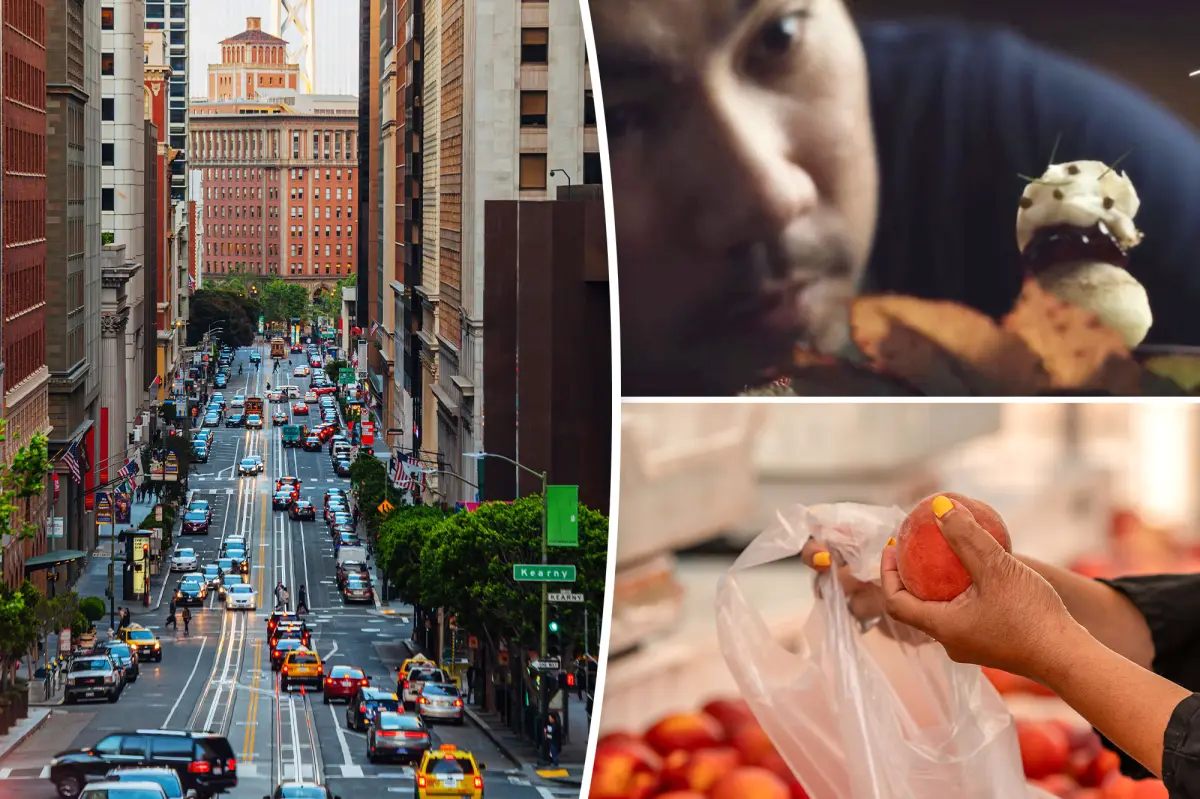
Ask anyone to picture San Francisco’s food scene and you’ll likely hear about sourdough bread bowls, steaming Dungeness crab, or the eternal quest for the perfect Mission burrito. There’s truth to those clichés, but WalletHub’s annual ranking of America’s best cities for foodies suggests the city by the bay has a far richer, more complicated culinary identity than its tourist-postcard reputation suggests. WalletHub compared more than 180 cities across the United States — including the 150 most populous metro areas plus at least two of the biggest cities in every state — to find the places where diners can eat exceptionally well without breaking the bank. The rankings were built on 28 separate measures, split into two broad categories: affordability and diversity, accessibility, and quality. Affordability examined the practical side of eating, from grocery store prices and the cost of a restaurant meal to sales tax and the average price of beer and wine. The second category dug into the texture of each city’s food scene, counting restaurants, food trucks, farmers markets, craft breweries, coffee shops, and specialty food stores per person. After crunching all those numbers, WalletHub placed San Francisco at No. 3, a strong showing for a metro area where the high cost of living can take a serious bite out of any budget. It’s especially notable because San Francisco’s expense is usually the first thing people bring up, often before they even mention the food. And yet the city managed to land in the top three, not in spite of its complexity but because of it. Foodies are exactly the kind of people who will happily save up for a once-in-a-lifetime tasting menu, then chase a taco truck across town the next night, then experiment with unfamiliar spices in their own kitchens on the weekend. A city that welcomes that kind of eat-cook-shop curiosity needs more than a few famous restaurants — it needs an entire ecosystem. According to WalletHub, San Francisco has exactly that, and its No. 3 finish proves that culinary excellence and everyday value don’t have to be mutually exclusive. For a town that often makes headlines for housing costs and tech wealth, that kind of foodie-friendly recognition is a reminder of why people put up with the bills.
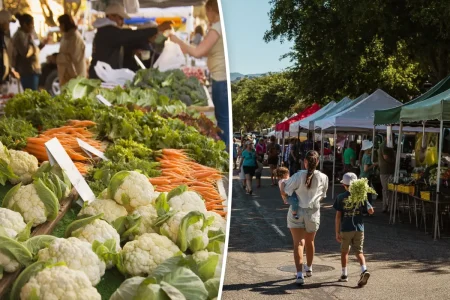
WalletHub’s ranking system might seem like a maze of numbers, but the logic is actually quite simple: a city can’t be truly great for foodies if only the wealthy can eat well. If you’ve ever stood in a grocery aisle wondering whether to buy the fancy cheese or the rent-friendly pasta, you understand why the formula didn’t stop at star ratings. Affordability sounds less glamorous than Michelin guides, but it’s the reason a city can be wonderful on paper and exhausting in practice. The study looked at the actual dollars behind everyday eating: how much a typical meal at a restaurant sets you back, how grocery bills compare with other cities, what sales tax adds to every purchase, and even the price of a beer or a glass of wine. Those details shape whether a food lover can enjoy a city regularly or only on special occasions. At the same time, the diversity and accessibility measures recognized that a thriving food scene is about more than white tablecloths. The presence of food trucks, farmers markets, craft breweries, coffee shops, and specialty food stores per capita reveals what a city offers to hungry people at every hour and income level. Are there healthy options readily available? Are there interesting flavors beyond the usual fast-food chains? Can you find a fresh herb you’ve never cooked with before? For home cooks, a nearby international grocery store is just as exciting as a hot new bistro. By weighing both affordability and culinary variety, WalletHub tried to capture the full experience of living and eating in a place, not just dining out once on vacation. It also rewards cities with density and diversity, because neighborhoods packed with restaurants and markets naturally give residents more choices and more chances to discover something new. That broader lens is what makes the rankings feel useful to real people, not just critics with expense accounts. It says something meaningful about a city when you can eat well on a random Tuesday, find a new spice for a recipe, and still afford to pay the rent. In a way, the rankings reward cities that respect food as a daily need and a creative outlet, not just an occasional indulgence.
San Francisco’s third-place finish makes sense when you look at the specifics. WalletHub found that the city has a very high number of restaurants per capita, but quantity alone wouldn’t mean much if the quality weren’t there. What stands out is the combination of depth and affordability: the city has one of the strongest selections in the country of affordable restaurants rated at least 4.5 out of 5 stars. That’s the kind of stat that matters to someone who wants a great meal on a Tuesday night, not just at a birthday dinner. On the high end, San Francisco’s pedigree is undeniable. It is home to 25 Michelin-starred restaurants, including three that have earned the coveted three-star rating, placing it in an elite circle of global dining destinations. But the city’s culinary credentials don’t stop at fancy dining rooms. The Golden Gate Bridge’s hometown ranked sixth nationally for restaurant diversity and fourth for access to healthy food options, meaning residents can eat around the world without leaving the city and can find fresh, nutritious food without too much hassle. Adventurous eaters are also well served: San Francisco has a large number of food festivals and cooking schools per capita, so there are always opportunities to taste something new or refine your own skills. It even leads the country in herb and spice stores, international grocery stores, and craft breweries per capita, which makes the city a paradise for home cooks and weeknight experimenters. In other words, San Francisco offers a complete food life. You can splurge on a three-star tasting menu one evening, browse a specialty spice shop on a Saturday afternoon, and still find an affordable, highly rated neighborhood restaurant for a casual weeknight dinner. That versatility is exactly what WalletHub’s rankings were designed to celebrate. The city’s secret isn’t any single dish or restaurant; it’s the ability to move seamlessly between high-end indulgence and everyday comfort food, often within the same few blocks. And for visitors, it means the city rewards wandering; you never know what delicious discovery awaits around the corner.
But WalletHub’s crown went somewhere else entirely: Miami. The Florida city took the No. 1 spot largely because it leads the country in the availability of affordable restaurants rated at least 4.5 out of 5 stars. It also has an extremely high number of restaurants per capita, giving residents an almost overwhelming range of choices. Miami ranked 12th for restaurant diversity and ninth for the ratio of full-service restaurants to fast-food chains, a sign that the city encourages lingering over a meal rather than just grabbing something quickly. It may not have as many Michelin stars as San Francisco — 12 in total, including one restaurant with two stars — but it more than makes up for that with a culinary culture that’s deeply woven into everyday life. For home cooks and market shoppers, Miami is especially well stocked. The city has the third-most farmers markets per capita in the country, the tenth-most gourmet specialty food stores, the third-most butcher shops, and the second-most kitchen supply stores. That suggests a city full of people who love to cook, not just eat out. The Cuban influence alone gives Miami a flavor profile that you can’t fully replicate anywhere else, from café con leche and pastelitos to slow-roasted pork and black beans. Add in the tropical ingredients, the constant stream of Caribbean and Latin American influences, and the sheer enthusiasm for outdoor markets and street food, and you have a food scene that feels both glamorous and deeply accessible. For WalletHub, that combination of affordability, variety, and culinary energy was enough to put Miami at the very top of the list. It’s a place where the dining culture is loud, colorful, and impossible to ignore — exactly what a foodie ranking should reward. Miami’s food scene is basically a nonstop conversation between cultures, and everyone is invited.
Portland, Oregon, slipped into second place and offered a different model of foodie greatness. The Pacific Northwest hub posted impressive numbers across a range of categories, with a particularly strong showing for craft breweries and wineries, herb and spice shops, food and wine tours, and food festivals per capita. It also has a very high number of restaurant choices, especially eateries rated at least 4.5 out of 5 stars, meaning Portland diners don’t have to lower their standards to eat well on a regular basis. Perhaps the most surprising gap in Portland’s culinary résumé is the absence of any Michelin-starred restaurants. In a city famous for food carts, farm-to-table ethos, and boundary-pushing chefs, that omission says more about Michelin’s coverage than about Portland’s quality. Portland has never been obsessed with formal fine dining; it built its reputation on a more laid-back, DIY food culture. The city’s food carts and pods are legendary, its coffee roasters are world-class, and its commitment to local ingredients is practically a civic religion. And there’s a tangible financial perk that makes it all even tastier: Oregon has no sales tax on food. Whether you’re grabbing dinner at a restaurant or stocking your kitchen at home, that tax-free status leaves a little more money for another bottle of pinot or a slice of cream pie. WalletHub’s No. 2 ranking suggests that you don’t need a single Michelin star to have a phenomenal food scene. Sometimes you just need a bunch of passionate cooks, a supportive audience, and prices that don’t punish you for being hungry. Portland proves that the best food city isn’t necessarily the fanciest one — it’s the one where good eating is part of the culture, not just a special occasion. It’s a reminder that the most memorable meals often happen in places with zero pretension and plenty of personality. The ranking may not include stars, but it does include a lot of heart.
San Francisco wasn’t the only California city to earn a spot near the top. WalletHub’s rankings also gave some love to Sacramento, which landed at No. 9, followed by San Diego at No. 12 and Los Angeles at No. 17. For anyone who lives in California, that’s hardly a surprise. The state has long been a culinary trendsetter, from the farm-to-table movement that began in Berkeley to the taco trucks of Los Angeles to the craft beer explosion in San Diego. Each of these cities brings its own identity to the table. Sacramento, as California’s farm-to-fork capital, sits close to some of the most productive agricultural land in the world, so its farmers markets and seasonal menus are second to none. San Diego offers fresh seafood, an endless supply of fish tacos, and a laid-back al fresco dining culture that makes the most of its sunshine. Los Angeles, with its extraordinary ethnic diversity, might be the most expansive food city in the country, spanning everything from Michelin-starred sushi to halal carts to family-owned dim sum parlors. The fact that all of them cracked the top 20 speaks to the depth of California’s food landscape. What’s the takeaway from WalletHub’s list? For one thing, being a foodie doesn’t mean you have to live in a city where dinner requires a second mortgage. The cities that rank highest tend to combine affordability with plenty of options, proving that great food can be an everyday pleasure rather than a luxury. For another, a thriving food scene is about more than accolades. It’s about the farmers market on a Sunday morning, the neighborhood Chinese joint that’s been there for decades, the craft brewery where everyone knows your name, and the little spice shop that inspires a weeknight experiment in the kitchen. San Francisco, Miami, Portland, and the rest of the top 20 all understand that on some level. So while the sourdough will always be iconic, the real story is the city’s ability to feed people well at every price point and from every angle. Whether you’re chasing Michelin stars or just a perfect taco, there’s a seat at the table for you in America’s best food cities. That’s a win for anyone who loves to eat.