

A New Dawn for the Americas: Colombia’s Pivot Toward Security and Alliance
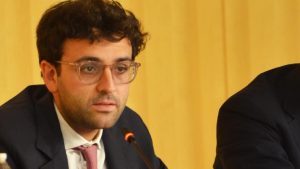
In the hallowed halls of the United Nations, a palpable shift in the political winds of Latin America is taking place, one that promises to redefine the Western Hemisphere’s approach to security and democracy. At the heart of this transformation is Colombia, a nation that has long been a key strategic partner to the United States but is now stepping into a more assertive role on the global stage. Colombian Vice President José Manuel Restrepo recently sat down with Fox News Digital to discuss his country’s enthusiastic embrace of President Donald Trump’s vision for a new hemispheric alliance, the “Shield of the Americas.” However, he was careful to delineate the boundaries of this partnership, making it clear that while Colombia welcomes American support, intelligence, and technology, the responsibility for ground operations against armed groups will rest squarely on the shoulders of Colombian public forces. This firm stance marks a new chapter in the bilateral relationship, one defined by mutual respect, shared objectives, and a clear-eyed understanding of national sovereignty.
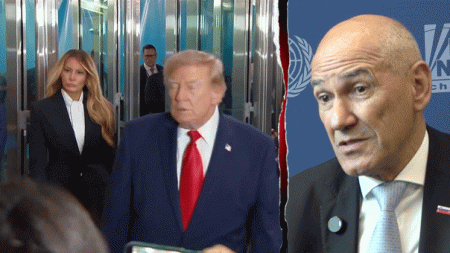
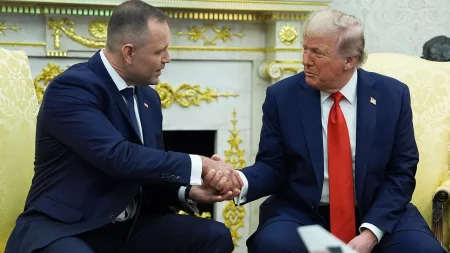
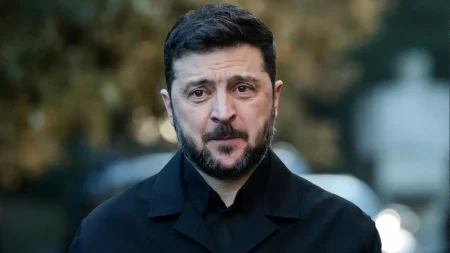
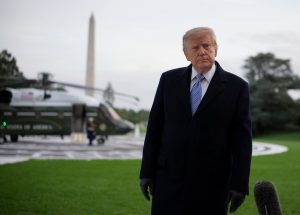
The meeting between Restrepo and Trump, which occurred on the sidelines of the UN General Assembly, was more than a simple diplomatic courtesy. It was a convergence of two leaders who see a new opportunity for the region. President Trump is championing the “Shield of the Americas” as the “largest and most powerful alliance for economic and national security ever to convene in the Western Hemisphere,” urging member nations to treat the scourge of “narco-terrorists” as a common, existential threat. For Restrepo, this message resonates deeply. He sees the alliance not just as a security pact but as a bulwark for democracy itself. “There is a wave of freedom, a wave of democracy, a wave of free market… There is a new momentum for the region and we have to take advantage of that momentum,” he said, recalling his conversation with the former president. He added, “If we want to keep and preserve democracy in the region, the Shield of the Americas is going to be the best opportunity to do it.” This new resolve is set against a thrilling political backdrop, as Colombia joins a growing list of Latin American nations—including Argentina, Chile, and Ecuador—that have shifted rightward, propelled by voters’ concerns over crime, economic fragility, and political chaos. The election of President Abelardo De La Espriella, a stark contrast to his predecessor, has signaled a definitive end to the policies of the past.
This ideological realignment has direct and immediate consequences for how Colombia will wage its war on drugs and armed insurgency. The previous administration’s “total peace” policy, which favored negotiation over confrontation, is being systematically dismantled. The new government has instead reactivated arrest warrants and adopted a far more uncompromising stance. Restrepo directly criticized the former government for creating “the idea of impunity,” a sentiment that has fueled public anger and a demand for action. When Defense Secretary Pete Hegseth earlier suggested the possibility of joint U.S.-Colombian military strikes against organizations like the National Liberation Army (ELN), it sparked intense speculation. Restrepo, however, offered a clear and decisive clarification of Colombia’s position. “The United States helps us on security, helps us information, helps us on technology, but the public forces of Colombia are those who are going to act in those places,” he asserted. In no uncertain terms, he confirmed that Colombian boots would be the ones on the ground. This is not a rejection of American help, but rather an affirmation of Colombia’s capability and determination to lead its own internal security efforts, a point of pride and a crucial element for domestic political legitimacy.
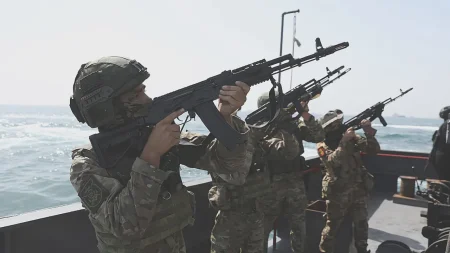
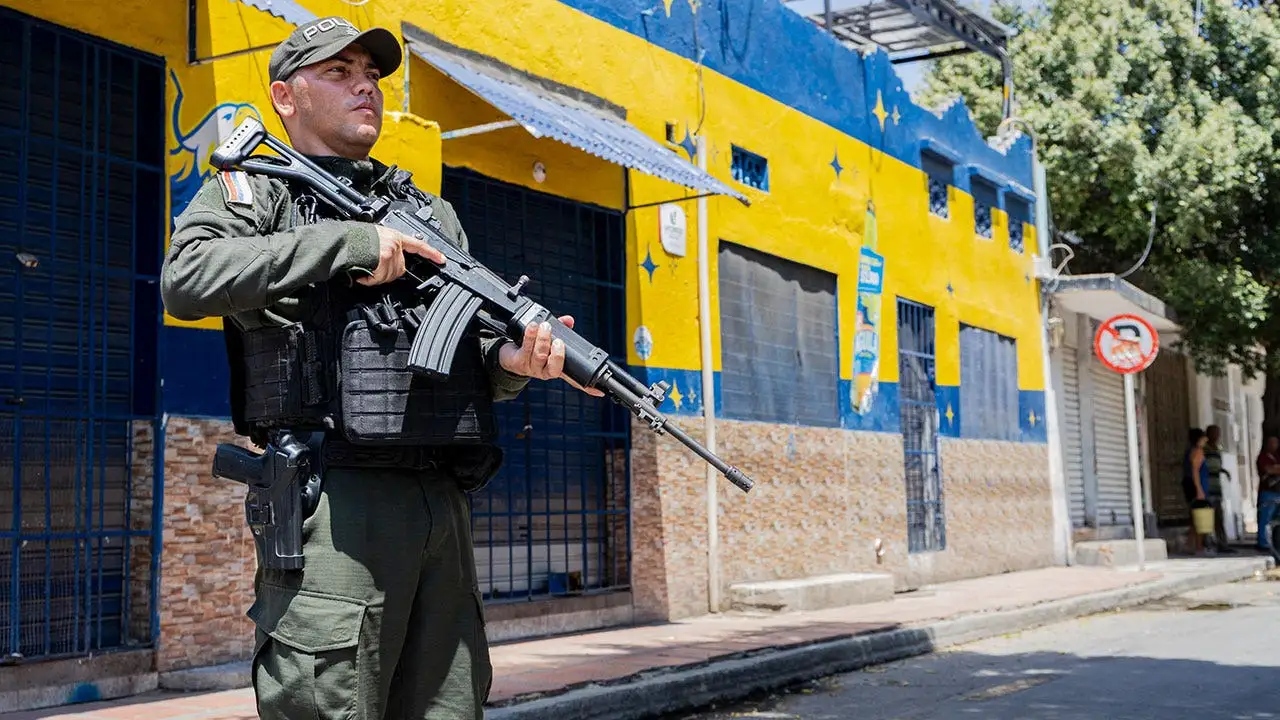
The urgency of this new, tougher posture could not be more apparent. Just days before the interview, President De La Espriella was forced to order the military into the city of Santa Marta, a major tourist hub, in response to a brazen “armed strike” by the Autodefensas Conquistadoras de la Sierra Nevada. This illegal armed group, deeply involved in the drug trade, brought the city to a standstill with threats, roadblocks, and attacks, leaving businesses shuttered and public transport halted. The deployment of over 500 soldiers and 600 police officers is a visceral reminder of the chaos that has been allowed to fester. Restrepo painted a stark picture of the inherited problem, stating that when the new government took office, “around 30%” of Colombia’s regions lacked effective territorial control. The administration’s response is multi-pronged: strengthening the security forces, boosting intelligence gathering, ramping up drug eradication efforts, and resuming extraditions of drug kingpins to the United States. It is a return to a more hard-nosed, results-oriented strategy designed to reclaim territory and reassert the state’s authority, a policy that the public is watching closely for tangible improvements in their daily safety.
Beyond the immediate tactics, Colombia is seeking to elevate the global conversation on security. Restrepo argued that the fight against terrorism must be a central focus of the United Nations, which he believes is in desperate need of reform. In his address to the General Assembly, Colombia called for an international definition of terrorism—a long-stalled endeavor that has been hamstrung by political divisions and the inconsistent application of human rights standards. “Human rights should apply to all, regardless of political considerations,” Restrepo told Fox News Digital. “Ideology cannot decide to whom we are going to apply or not human rights.” This pointed critique is a direct challenge to the UN’s perceived double standards and a call for a more principled, effective international body. His comments come at a precarious time for the institution, with Secretary-General António Guterres preparing to leave office at the end of the year. Restrepo sees this transition as a critical window for renewal, a moment for the UN to “reflect on its own future” and to become more efficient and responsive to the global threats of terrorism and transnational crime. He posited this as a logical extension of the country’s pursuit of peace: “The only way to attain peace, which is one of the main objectives of the UN, is through confronting terrorism.”
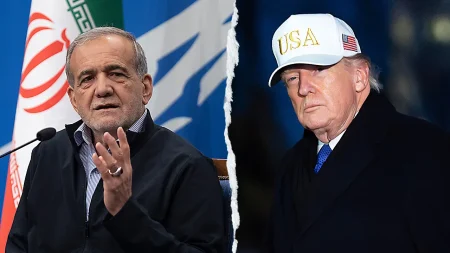
The Columbian government is translating its security philosophy into concrete diplomatic action. On Thursday, the Ministry of Foreign Affairs announced a historic and dramatic move: the suspension of all diplomatic relations with Iran, citing “alleged links between the Iranian government and international terrorist groups and other narcoterrorist groups that threaten the country’s security.” This decisive act aligns perfectly with the pillars of the new government’s foreign policy—national and hemispheric security, and the fight against transnational crime. It sends an unambiguous signal that Colombia is no longer willing to tolerate any foreign influence that undermines its stability or supports its enemies. This move underscores the administration’s commitment to a foreign policy that prioritizes security and aligns with the interests of its key allies, particularly the United States. For Restrepo, this is all part of a cohesive global strategy. By forgoing decades of failed policy and embracing a more confrontational, alliance-based approach, Colombia is positioning itself as a leader and a model for a region that is eager for change and tired of the status quo. The road ahead will be difficult, fraught with violence and resistance, but the direction is now clear, and for the first time in years, there is a sense of hope and determination on the horizon.