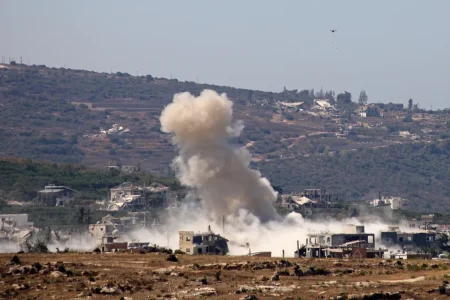


The American heartland is currently in the grip of a quiet crisis, unfolding against the backdrop of the autumn harvest. As the nation’s farmers push their combines and tractors through endless fields of corn and soybeans, they are doing so under the crushing weight of record-breaking fuel prices. Diesel, the lifeblood of modern agriculture, has surged to unprecedented levels, shattering its all-time high in early September and continuing its relentless climb. The national average has now soared past the $6-per-gallon mark, a figure that was nearly unimaginable just a few years ago. In certain parts of California, the situation has become even more dire, with prices closing in on or even surpassing the astonishing $10-per-gallon threshold. The spike, fueled by a volatile mix of geopolitical tensions, including the ongoing conflict in Iran and its impact on global supply chains, has left even gas station owners scrambling to update their signage, their three-digit displays unable to accurately reflect the new reality.
For the men and women who work the land, this is not merely an inconvenience; it is an existential threat. The harvest season is the culmination of a year’s worth of work, the one period when investments in seeds, fertilizer, and labor can finally be recouped. But with fuel costs eating into every acre, the thin margin for profit is evaporating. John Boyd, a grains and cattle farmer from Virginia and the founder of the National Black Farmers Association, captured the anger and frustration of the agricultural community. He pointedly challenged the administration’s optimistic claims about the economy and the war in Iran, arguing that the price at the pump tells a different story. For Boyd, who is currently harvesting corn at $5 a bushel, the irony is bitter. He is paying $7 a gallon to fill his combine harvester, a machine that takes 140 gallons, meaning a single fill-up costs him close to $1,000. “We are losing the war,” he said, not in a military sense, but in the daily struggle to keep his operation viable. He argues that farmers “just can’t survive” this financial squeeze, which compounds decades of other long-running economic challenges.
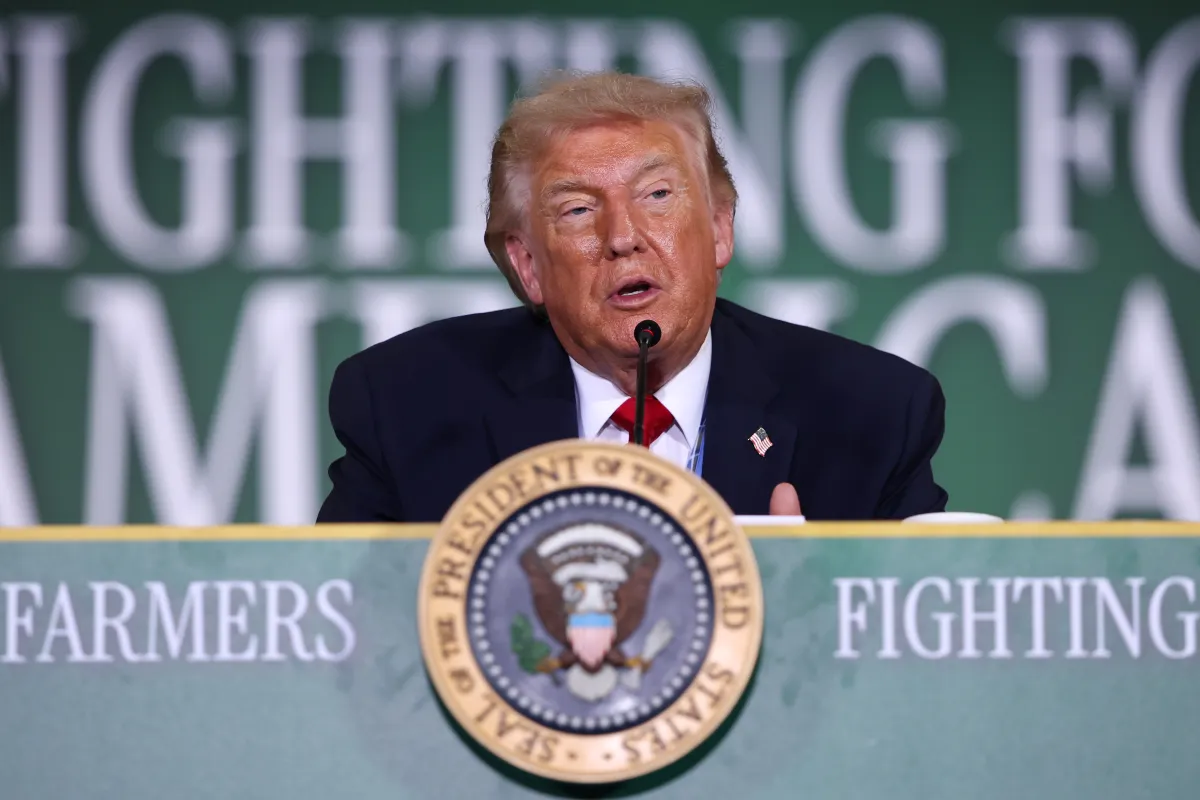
The sentiment is echoed across the Farm Belt, representing a significant shift in political sentiment. President Donald Trump, who long enjoyed overwhelming support from the agricultural community, is now seeing that support fray. Having cast himself as the champion of the American farmer, his administration’s policies on tariffs, trade, and inflation are now directly colliding with the reality on the ground. Farmers who once stood by him are now questioning their allegiance. Jason Kurtz, a farmer and 2024 Trump voter, expressed the desperation of many. He told Fortune that “cash-strapped” farms are struggling, forced to make painful cuts to their budgets just to ensure they have enough capital to make it through the harvest. The choice is stark and there is no alternative: “We have to harvest. We have to run the machines. We have to use the diesel,” he said, conceding that the exorbitant fuel costs “cut into our bottom line” in a way that threatens their very livelihood.
The frustration is heightened by the perceived disconnect between the administration’s rhetoric and the farmers’ lived experience. President Trump has proclaimed the United States is “winning” in the Middle East and has claimed control over the Strait of Hormuz, a vital artery for global oil shipments. He also touted a “historic” deal to gain control of more than 65 billion barrels of Venezuelan oil, promising that it would “substantially lower Gas Prices for all Americans.” Yet, despite these bold claims, diesel prices have continued to climb, rising another 37 cents in just the past week. For farmers like Boyd, this creates a painful paradox. If the administration’s claims are true—that the U.S. has the upper hand in the Middle East and has secured vast new oil reserves—then why are they facing the highest fuel prices in history? The answer, they believe, is that the promises are hollow, and the economic policies in place are not delivering the relief that was promised. This sense of betrayal is palpable, as they watch their profit margins shrink and their futures become more uncertain, all while an administration that claims to support them touting wins that don’t seem to translate into lower costs at the fuel pump.
Beyond the immediate pain at the pump, the rising diesel costs are compounding a litany of other challenges that have been piling up on the agricultural sector. According to a report from Democrats on the Joint Economic Committee, farmers had already spent $1.4 billion more on diesel during the 2026 planting season than in the previous year—a staggering 63 percent jump. This was recorded before the latest price surge, meaning the current financial damage is even worse. The price of fuel acts as a tax on everything a farmer does: planting, fertilizing, harvesting, and transporting crops to market. When fuel costs rise, it not only affects the fuel needed to run a farm but also inflates the cost of fertilizer, equipment, and transportation. This comes at a time when farmers are already grappling with rising bankruptcies, volatile trade policies, and surging input costs for seeds and equipment, all while commodity prices for their goods remain stubbornly low. The cumulative effect is a perfect storm, one that is pushing many operations to the brink of collapse. The American Farm Bureau Federation (AFBF) predicts that the nation’s crop farmers will end the year with a staggering $31 billion in losses—a figure that is expected to balloon to $32 billion by 2027. This paints a stark picture of an industry in peril, despite the rosy promises coming from Washington.
While the political class may debate the macroeconomic resilience of the U.S. economy, for the farmers on the ground, the debate is a matter of survival. Some economists, like JPMorgan’s director and investment strategist Kriti Gupta, argue that the American consumer and economy at large can weather the storm of high fuel prices, noting that the current impact on household spending power is less severe than in decades past. But this perspective overlooks the unique vulnerability of the agriculture sector. Unlike a commuter who can carpool or a business that can cut back on travel, a farmer cannot choose to stop using diesel. Their operation depends on it, and the timing is unforgiving. The harvest waits for no one, and the costs are fixed. This fuels a growing sense of despair, as the high prices are not just a financial pinch, but an existential threat to their way of life. As they navigate the treacherous economics of the harvest, they find themselves caught between an administration that claims to have their backs and a global market that is hammering their bottom line. The promises of control over oil reserves and geopolitical victories ring hollow when they see the price of diesel still flashing on the pump, echoing the sentiment that while leaders may claim victory, it is the farmers who are left to pay the price.
The road ahead looks daunting, with no relief immediately in sight. Every full tank of diesel is a small fortune, and the cumulative effect of this harvest season will likely determine the fate of many family farms for years to come. As the combines roll through the fields, the roar of their engines is a soundtrack to a silent struggle, a fight for survival against forces far beyond the farm gate. The escalating fuel costs have moved beyond the economic and into the personal, creating a wave of anxiety and uncertainty for those who see themselves as the backbone of the nation. The resolve of these farmers is being tested like never before, and the disconnect between the government’s optimistic pronouncements and the stark economic reality is driving a wedge between the rural heartland and the political leadership. Even as they are told “America is winning,” they are being suffocated by the highest fuel prices in history, a bleak irony that is forcing a re-evaluation of loyalty, policy, and the very future of American agriculture.