



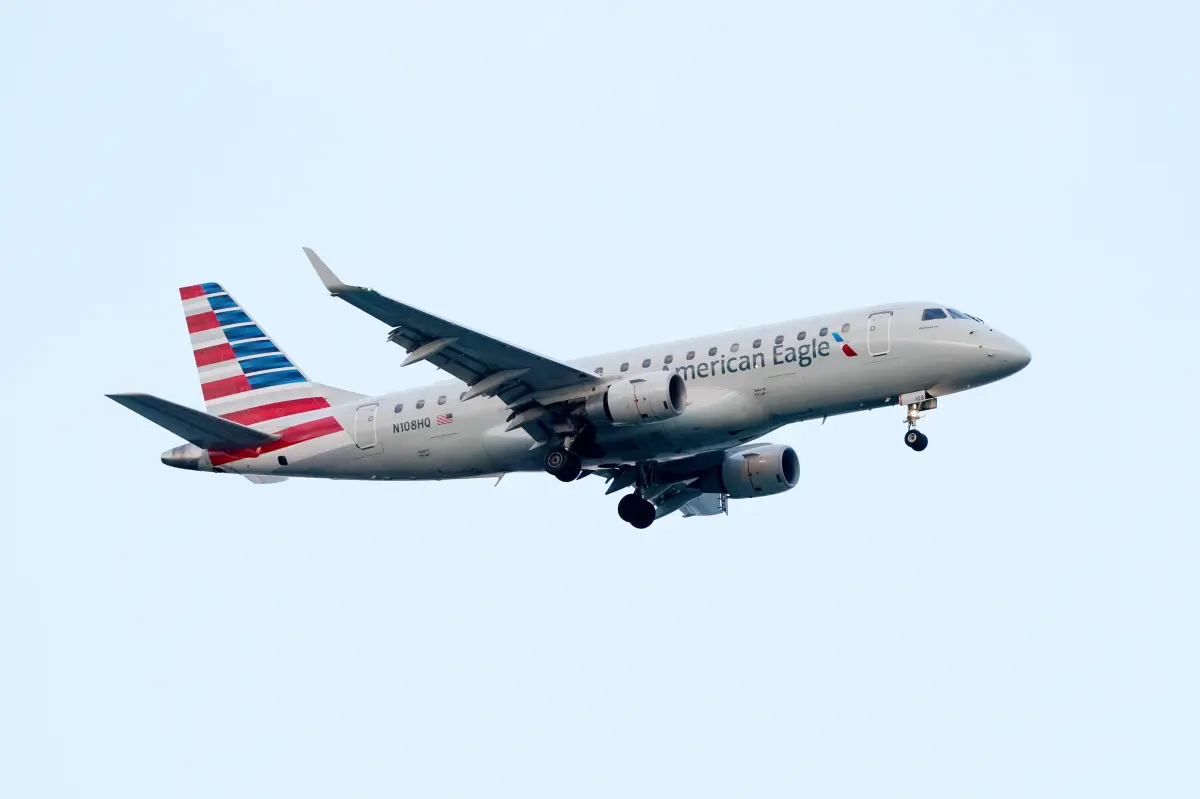
American Airlines Is Saying Goodbye to First Class — But Here’s Why It Might Not Be a Bad Thing
If you’ve been dreaming of flying in American Airlines’ luxurious international first-class cabin, you might want to book that ticket soon. The carrier has officially announced that it’s phasing out its first-class product on transcontinental and long-haul routes, starting with the Boeing 777-300ER on November 19, and later on the Airbus A321T by March 28, 2027. This is a major shift for a airline that has long been known for its premium offerings, but it’s not exactly a surprise. In fact, American hinted at this move way back in 2022, citing low demand for the most expensive seats at the front of the plane. The 777-300ER, which flies routes like São Paulo to Tokyo, will be the first to lose its “Flagship First” cabin. For passengers who’ve never experienced it, this might feel like the end of an era — but for the airline, it’s about making space for what modern travelers actually want.
More Seats, Smarter Space: The New Cabin Layout
Here’s the good news: just because American is saying goodbye to first class doesn’t mean you’ll be flying in cramped quarters. The carrier is actually increasing the number of premium seats on its Boeing 777-300ERs from 116 to 144. The new configuration will include 70 Flagship Suite business-class seats, each with a privacy door and a lie-flat bed, 44 Premium Economy seats, and 30 Main Cabin Extra seats — that’s American’s fancy name for extra-legroom economy. This isn’t about cutting luxury; it’s about redistributing it. Business class has become the sweet spot for many long-haul travelers — you get a fully flat bed, direct aisle access, and now, thanks to the new Flagship Suites, total privacy. And business class passengers will also get a taste of what used to be a first-class perk: Flagship Dining, a complimentary, multi-course restaurant experience available at select American Airlines lounges. So while the “first class” name might disappear, the perks are being folded into a more accessible premium experience.
The Transition Period: What Happens to Old First-Class Cabins?
Before the full retrofit of the 777-300ER is complete (slated for 2027), American won’t just leave those old first-class cabins empty. Instead, the airline plans to sell those seats as business class — but it’s a temporary measure, and it’s unclear exactly how long that will last. For passengers booking a flight between now and then, you might find yourself in a seat that was originally designed for first class, but you’ll only be paying for business. That’s actually a pretty sweet deal if you can snag it. Meanwhile, those who bought American’s infamous lifetime first-class pass — a $250,000 upfront investment that promised unlimited first-class travel — will still have a way to fly, but they’ll have to do it in lower cabins like business or premium economy. It’s a far cry from the glamour of the old days, but at least the pass isn’t completely worthless. And for domestic travelers worried about losing a premium option altogether, rest assured: American is not getting rid of domestic first class. That product stays, so short-haul fliers can still enjoy a comfortable front-row seat.
The End of an Era: American Was the Last of the Big Three
This move makes American the final US legacy carrier to abandon international first class. Delta discontinued its first-class cabins back in 1998, and United followed suit in 2018. For over two decades, American held out, offering a first-class product on its long-haul international routes, including the Boeing 777-300ER and the A321T (which serves transcontinental flights like New York to Los Angeles). But the airline industry has changed, and so have flyers’ expectations. Modern business class products — with sliding doors, all-aisle access, and ultra-comfortable bedding — have made traditional first class almost redundant. Why pay double for a slightly bigger seat and a fancier meal when a business-class suite already gives you closure, privacy, and a flat bed? American’s leadership has clearly recognized this trend. By converting those first-class cabins into additional business and premium-economy seats, they can capture more revenue from a larger pool of travelers who are willing to pay a premium but not that premium.
A Frequent Flyer’s Take: Is It Really a Loss?
Not everyone is mourning the loss. Gary Leff, a well-known aviation writer and contributor to A View From The Wing, has a nuanced perspective. He admits that “a modern business class suite with a flat bed and a door is better than the first class seat somebody bought in 1981” — a nod to how much better premium travel has become. But he also confesses a soft spot for American’s old eight-seat first-class cabin. “I still value the space and quiet of American’s eight-seat first class cabin,” he wrote. However, his recent experience on a flight to Sydney left him a little disappointed. “The food, service, and maintenance showed how far American had let the product slip,” he noted. Even so, “the small cabin was still worth having.” Leff’s words capture the ambivalence many frequent flyers feel. On one hand, first class was the pinnacle of air travel — it felt exclusive, almost like a private club in the sky. On the other hand, the reality was that American had been underinvesting in that product for years, so it was no longer the luxurious experience it once was.
What This Means for Your Next Flight
So, what does all this mean for you? Well, if you’re planning a long-haul trip on American in the coming years, you’ll likely notice a gradual transformation. On the 777-300ER, you’ll find the new Flagship Suites in business class — they’re essentially mini-suites with a door, which is a massive upgrade over the old, more open layout. You’ll also have more options in the cheaper premium seats, so you can enjoy a better experience without breaking the bank. The full retrofit of the 777-300ER fleet is expected to be done by 2027, and the A321T will follow shortly after. It’s a big change, but it’s also a sign of how airlines are evolving to meet demand. The old days of grand first-class cabins with champagne and caviar are over for US carriers, but the spirit of premium travel lives on — just in a slightly different, more democratic form. So next time you fly, don’t be sad about the first-class sign coming down. Instead, look forward to a business-class seat that probably has more tech, more privacy, and a mattress that’s just as plush. It might not be called “first class,” but for most of us, it’s more than good enough.