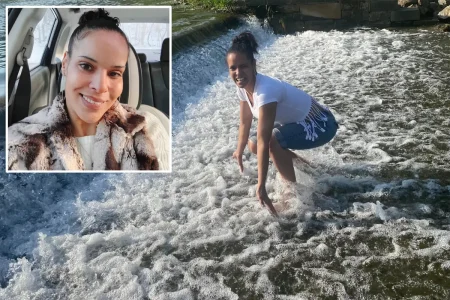



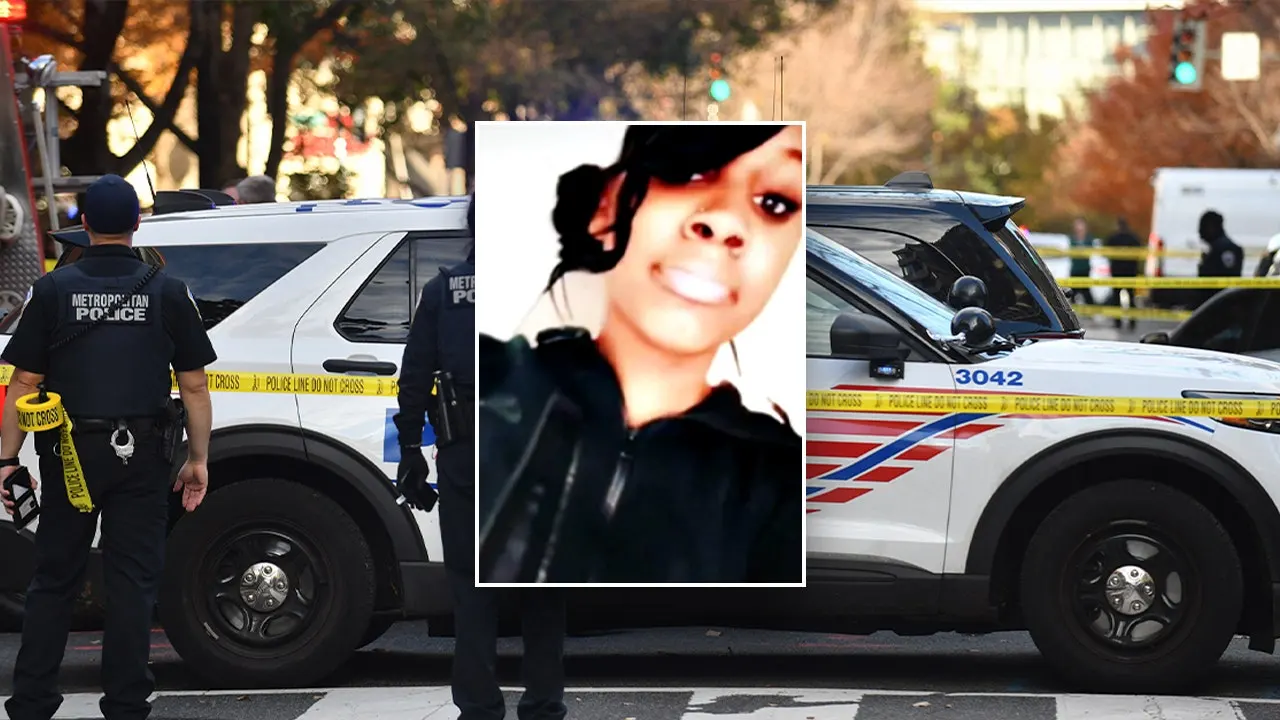
The late afternoon sun on May 21, 2025, should have been a time for homework, for daydreaming about the future, or for laughing with friends in the streets outside the Benning Courts apartments. Instead, the quiet hum of a typical Tuesday in Northeast Washington, D.C., was violently shattered by the sound of a gunshot. The community, a bustling neighborhood situated directly across from the familiar storefronts of Hechinger Mall, quickly drew its collective breath as emergency vehicles screamed down the 1700 block of Benning Road Northeast. Inside one of those apartment units, first responders discovered a scene of chaos and tragedy: 14-year-old Zytina Mason-Brown, an eighth grader on the cusp of high school, was found suffering from a devastating gunshot wound. The initial reports were sparse and chilling, leaving neighbors and relatives frozen in disbelief. The apartment, likely bearing the everyday marks of a teenager’s life—scattered school supplies, a phone plugged into a charger, the remnants of a snack—had become the epicenter of an unimaginable nightmare, one that would spark a long, painful, and determined fight for the truth by a family that refused to accept an easy explanation.
In the immediate aftermath, however, the official narrative from law enforcement felt like a cold, hard slap to the family. Police initially characterized the tragic shooting as a self-inflicted accident, suggesting that Zytina had apparently shot herself while recording a video for social media. This was a brutal, definitive conclusion offered within a matter of hours, and it landed with agonizing weight on her loved ones. For the grandmother, Michelle Brown, and the aunt, Dawna Cooke, the thought that Zytina—a bright, ambitious girl who talked constantly about her dreams of becoming a beautician and a real estate agent—would take her own life in such a bizarre manner was not just heartbreaking; it was an obscene impossibility. They knew the girl who loved makeup and styling hair, the girl who mapped out business plans for her future, the girl who had a zest for life that practically glowed. The suggestion that she would be filming a video and accidentally kill herself seemed like a convenient, heartbreaking narrative that ignored a glaring reality: a young girl was dead, and there had to be more to the story. The family’s gut instinct screamed that something was deeply wrong, and they refused to fall silent, questioning the accuracy of the initial investigation and demanding that the police dig deeper into the circumstances surrounding the gunshot.
The months that followed were a grueling purgatory of grief and advocacy. From late May through the sweltering heat of summer, the family endured what must have felt like an eternity of waiting, pushing, and pleading. They attended vigils, spoke to the press, and hounded investigators, all while carrying the unbearable weight of a loss that was compounded by a perceived injustice. They did not want to hear about accidents; they wanted a thorough investigation into the scene, the firearm, and the relationships in Zytina’s life. Their persistence, amplified by community support, kept the case alive in the public eye and likely pressured the Metropolitan Police Department to re-evaluate the physical evidence and forensics. Then, in August 2025, the devastating yet vindicating news arrived. The D.C. Office of the Chief Medical Examiner officially overturned the initial finding, ruling Zytina’s death a homicide. The announcement validated the family’s months of insistent instinct—this was not a tragic mistake, but a murder. It was a bittersweet victory; while the ruling brought a measure of truth, it also confirmed the darkest possible reality that a young life had been maliciously taken, forcefully shifting the investigation from an accident investigation to an active homicide probe.
The breakthrough finally came, offering the family the first tangible sign of progress in their agonizing journey. Police arrested a 17-year-old male suspect in connection with Zytina’s murder. The arrest signaled a major turning point in the case, transforming the abstract horror of a homicide ruling into the concrete reality of a prosecution. For Michelle Brown, the news brought a complex swirl of emotions that she articulated with raw, heartbreaking honesty. “I’m feeling — I don’t want to say happy because it’s not a joyous occasion, I just wish we didn’t have to go through this — but I’m feeling satisfied that D.C. police did apprehend the suspect,” she told FOX 5 DC. “And they did their job on this one.” Her words speak volumes about the impossible position of a grieving relative: the relief of knowing the person responsible is off the streets, tempered by the overwhelming sadness that no arrest can ever bring back the vibrant 14-year-old who dreamed of her future. It was not a moment of celebration, but a moment of sober acknowledgment that the system was finally moving in the right direction.
Aunt Dawna Cooke echoed that sentiment, expressing her gratitude while also reminding the public of their unwavering resolve. “We knew that Zytina did not kill herself… and I really want to thank the Metropolitan Police Department for fighting so hard to come to the conclusion and get the suspect in custody,” she stated. This direct commendation, aimed at the detectives who reconsidered the initial accident theory, underscores the months of advocacy that played a crucial role in steering the investigation. However, the legal process now enters a phase rife with barriers and opacity. Because the suspect is a minor, juvenile privacy laws strictly guard the identity of the 17-year-old. Details regarding the suspect’s name, exact booking, and upcoming court appearances have been withheld from the public and, consequently, from the family as well. This legal shield, designed to protect young offenders, now creates a frustrating distance for the victims’ loved ones, who are left waiting for the judicial process to move forward without public scrutiny, wondering about the motive and the circumstances that led to such a violent act. They must trust that the evidence gathered is strong enough to secure a conviction in juvenile or adult court, navigating a system that often operates behind closed doors.
As the family faces what promises to be a long, arduous legal journey, the memory of Zytina Mason-Brown remains the guiding light. She was not just a case number or a crime statistic; she was an eighth grader with a head full of aspirations—a future beautician and real estate agent, a young woman with a drive to make something of herself. The community of Benning Courts, which rallied around the family in the aftermath, will now look to the courthouse, hoping for a resolution that matches the severity of the crime. Yet, even with an arrest, the void left by Zytina is a chasm that no verdict can fill. The arrest of the teenage suspect brings a measure of satisfaction, as her grandmother noted, but it also brings an immense sadness that two young lives are now forever altered by a single, violent moment. The family’s fight—from the desperate insistence that the initial ruling was wrong, to the hard-earned validation of the homicide classification, to the relief of an arrest—speaks to the resilience of a family who refused to let their loved one’s death be written off as a mistake. As they await the next steps, they carry Zytina’s dreams with them, hoping that the justice system will deliver the accountability they have fought for since that tragic day in May, even as they grapple with the permanent ache of her absence.