


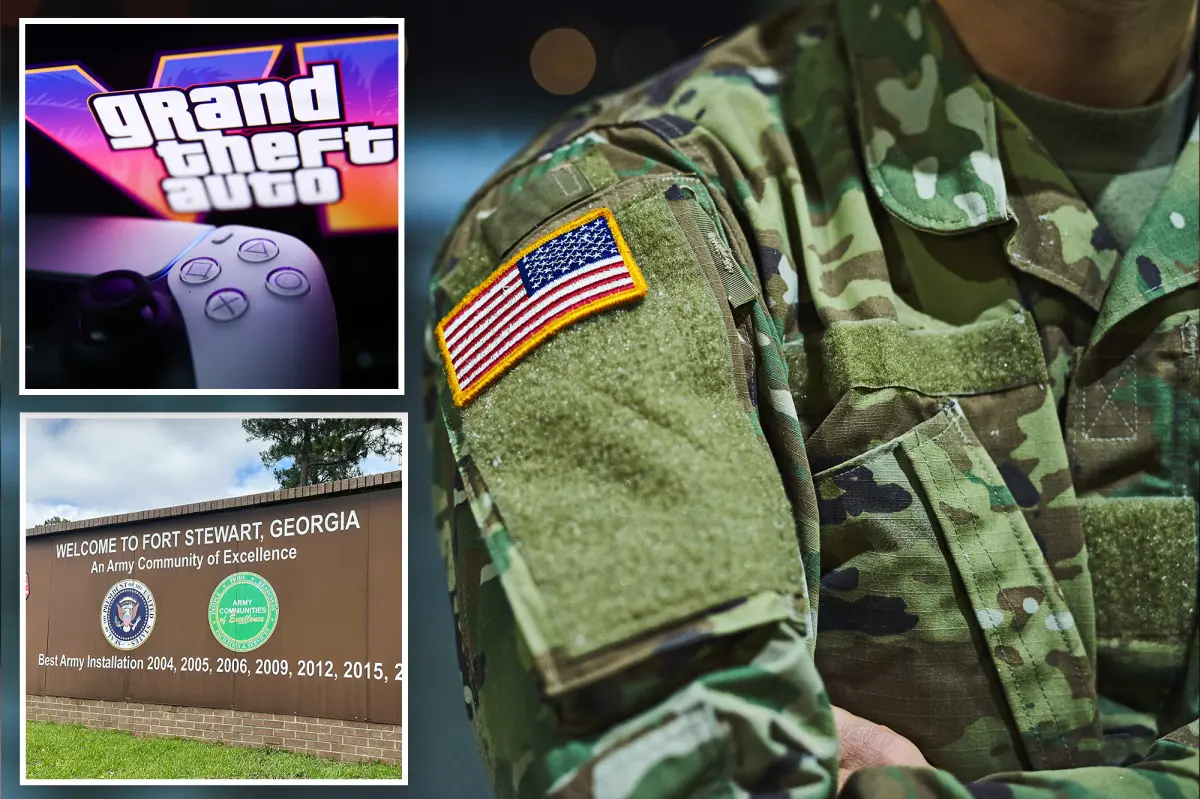
The intersection of military service and popular culture often produces moments of unexpected synergy, but the recent initiative by a U.S. Army unit in Georgia has taken this convergence to a remarkable new level. The 9th Brigade Engineer Battalion, stationed at Fort Stewart, has decided to leverage one of the most highly anticipated video game releases in recent history—Grand Theft Auto VI—as a novel incentive for soldiers considering reenlistment. The offer is straightforward: soldiers who commit to extending their military service by at least two years will receive four extra days of leave, timed precisely to coincide with the game’s launch on November 19th. This is the kind of creative, human-centric approach to retention that sees soldiers not just as personnel to be managed, but as people with passions, interests, and lives outside of their military uniforms.
This unusual synergy between the defense world and the virtual crime world of Grand Theft Auto speaks volumes about the contemporary military’s understanding of its service members. The game, for those uninitiated, is not just a casual diversion. It’s a cultural phenomenon known for its satirical, sometimes confrontational however, is the reality that commanders are consciously moving beyond traditional retention tools—like financial bonuses or educational benefits—to tap into the cultural zeitgeist. They’re sending a message that they recognize and even respects the hobbies that sustain their troops’ morale, even if those hobbies involve a fictional world where carjacking vehicles and evading police in encouragement are central tenants. This approach humanizes the military, bridging the gap between the disciplined structure of the armed forces and the independent, civilian lives soldiers might lead.
The genesis of this idea came from a career counselor within the engineering battalion, a position that works daily with soldiers approaching their service obligation deadlines. The thought process, as described by spokesperson Lt. Col. Angel Tomko, was to craft a “unique incentives program that connects to what soldiers are interested in.” In an era where military recruitment and retention are facing increasing difficulties creating critical challenges, engaging soldiers on their own terms is a pragmatic move. The battalion commander, Lt. Col. Ryan Hodgson, put the plan into official language in a memorandum, where he confirmed that those who signed their reenlistment contracts by Nov 14 would be granted a “special 4 day pass.” This pass, as he explicitly stated, was “specifically designed to coincide with the highly anticipated release of the video game Grand Theft Auto VI.” This clear and public articulation of a video game as a retention hook is a fresh and surprising addition to the military’s playbook.
The reaction to this announcement has been as much one of surprise as it is of tempered approval, and it shows a critical understanding of the human spirit within the ranks. The battalion has a pool of about 130 soldiers whose contracts are approaching a point where they could reenlist, and of that, at least twenty have already taken the deal. Twenty soldiers who may have puzzled over spending more years in their uniform have been effectively persuaded by the tantalizing prospect of extended free time, which is spent much like their civilian counterparts: eagerly anticipating the next epic adventure in a beloved video game series. This isn’t just about playing a game; it’s about a shared cultural moment, a common experience that transcends military divisions and connects service members with the outside world. The opportunity to be a part of that larger cultural conversation, to be awake in theaters, or at home, with their fellow soldiers when the game’s servers go live, creates a sense of community and shared enthusiasm that can be a powerful counterpoint to the isolation and stress that can sometimes accompany the military life.
The choice of Grand Theft Auto VI is not accidental and carries a cultural weight that is perfect for this generational focus. The game is not scheduled to release until November 19th, and the hype has been building for over a year, since the first cinematic trailer dropped in 2023, showing the return to the iconic Vice City, the series’ satirical take on Miami, and an expanded Florida-inspired map that includes swamps and the promise of alligators. The preorders for the game are described by the company as, unprecedented and astonishing, and it’s restrained from advertising a single product, but a global event. Rockstar Games has even planned to release an extended gameplay trailer on Netflix in the coming week, underscoring its immense anticipation. The game is a cultural behemoth, and for the military, tying its release to a career decision is a clever, unmistakable nod to the current interests of its personnel.
This military unit is not the first to use unconventional means to boost morale and retention, but the specific use of a video game’s release as a contractual incentive is a hallmark of understanding the modern soldier’s psyche. It’s a tacit acknowledgment from the Army leadership that they are competing for the attention and commitment of a generation that values its interactions, virtual and real. The four-day pass isn’t just a break from duty; it’s a bridge between the battlefield and the living-room, a chance to empirically engage in an activity that serves as a common cultural currency. It makes the military appear more approachable, more in touch, and less like an inflexible institution rigidly focused on discipline. This inevitably be pragmatic approach validates the idea that a soldier’s personal pleasures and professional duties aren’t divided into separate, unwalkable worlds, but rather that they coexist and can be strategically aligned for the betterment of both the individual and the service.
In the larger scope, this initiative also raises a significant point about the ever-changing dynamic between the military, its recruitment strategies, and the culture it is designed to protect. The offer of time off to play a video game is a powerful metaphor for the numerous ways the armed forces are adapting to reassure an era of evolving expectations around work-life balance and personal fulfillment. It’s a narrative that humanizes the organization, presenting the army not just as a collection of world-altering machinery and strict protocol, but as a collection of individuals with the same passions as any other demographic. The decision to acknowledge and even embrace the release of such a notoriously open wild game is a cautionary tale to the old archetypes of uniforms being a rigidly pure world, showing that the institution can meet its members where they are, even if ‘where they are’ is vicariously driving a sports car through Vice City or planning a fictional heist. The buzz this has generated serves a much more profound connection than just an incentive; it’s a story about the military becoming a bit more open about understanding the very human fabric of its all-volunteer force.