


Paragraph 1: The Viral Resurrection of a Forgotten Oasis
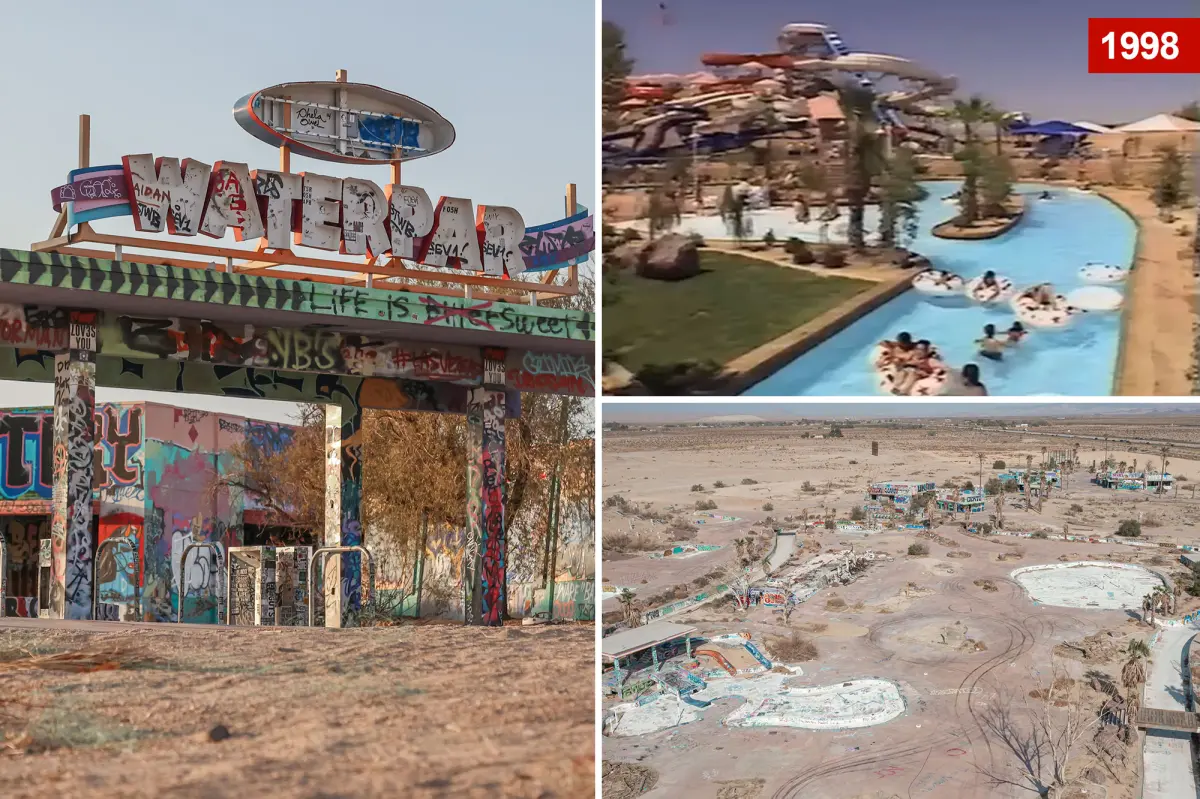
In the vast, sun-scorched expanse of the Mojave Desert, where the relentless heat shimmers off the asphalt of Interstate 15, a ghost of American summer fun has been abruptly resurrected. It began not with a grand reopening or a ribbon-cutting ceremony, but with a single, grainy video clip shared on the social media platform X. The footage, posted by an archive enthusiast, offered a window into a world that feels impossibly distant: a sprawling water park teeming with life, its slides and lakes a vibrant blue against the arid, brown landscape. The accompanying caption lamented the loss of an “unabashed California culture,” a time and place that seemed to embody a fearless, uncomplicated joy. Almost immediately, the post ignited a digital firestorm of nostalgia. Thousands of users, many of whom had spent their teenage years making pilgrimages to this remote destination, flooded the comments with their own memories. They spoke of long car rides from Barstow, of the thrill of the first plunge, and of a specific, irreplaceable “type of California energy.” The park, which had been left to decay for nearly two decades, was suddenly alive again in the collective memory of a generation, proving that even in the digital age, the pull of a beloved physical place remains profoundly powerful.
Paragraph 2: The Visionary Behind the Waterslides: Bob Byers and His Family Project
The story of this beloved oasis begins with Bob Byers, a local businessman from the small town of Newberry Springs, who named the park after his wife, Lake Dolores. It was a deeply personal project, a family-run enterprise that opened in the late 1960s, standing as a monument to one man’s vision and the collective effort of his entire family. The New York Post reported that the park was built on a massive 250-acre plot, a man-made paradise ingeniously fed by the underground springs of the Mojave Aquifer. Byers didn’t just build a business; he constructed a world. The centerpiece attractions were a series of ten identical 150-foot slides that cascaded down a man-made hill, offering a straight shot of adrenaline. For those seeking an even greater test of balance and nerve, there were two V-shaped slides of a similar length, where the most daring riders would attempt the seemingly impossible feat of riding down standing up. But the park wasn’t just about sheer speed. It was a complete aquatic playground, featuring a zip-line that sent thrill-seekers soaring hundreds of feet above the water, a tranquil lazy river for those looking to unwind, and bumper boats and a go-kart track for land-based competition. For the less daring, diving boards and the calm waters of the main lake provided a perfect vantage point to watch the park’s daredevils in action.
Paragraph 3: A Sensory Oasis: The Thrills, Sounds, and Sun-Drenched Joy
The resurrected footage offers more than just a visual record of the park’s attractions; it captures the very essence of its atmosphere. In a clip from an old news program, we see not just the architecture but the life that filled it. There are hordes of swimmers, their laughter and screams echoing as they plunge down the slides or hang from the zip-cord, let go, and are flung at a 30-degree angle, hovering for a breathless moment some 200 feet above the water’s surface. The scene is one of sun-drenched hedonism, pure and simple. Kids and teenagers lounge on the grassy areas, while others brave the infamous V-shaped slides, treating a simple ride as a rite of passage. The old news anchor, embedded in the fun, is shown attempting to master the stand-up slide, clinging on for dear life as gravity takes over, and then valiantly trying the zip line, his laughter and shouts providing a soundtrack for the sheer, unadulterated fun. It’s a stark contrast to today’s meticulously safety-checked, liability-conscious water parks. This was a place with a palpable sense of danger and freedom, where the only goal was to have the best time possible. Looking at these scenes, it’s easy to understand why so many people look back on it with such intense fondness; it represents a moment in time where fun felt a little more raw, immediate, and personal.
Paragraph 4: The Beginning of the End: Financial Troubles and a Tragic Accident
However, the sun-soaked paradise of Lake Dolores was not built to last. The park’s popularity could not shield it from a series of devastating setbacks that began as early as the 1980s. A combination of legal battles and significant financial troubles forced the original park to close its gates for the first time. The story, however, was far from over. Almost two decades later, in 1998, the park was given a new lease on life. Rebranded as “Rock-a-Hoola,” it reopened with hopes of recapturing past glories. The relaunch was tragically short-lived. Shortly after its reopening, a catastrophic accident occurred that would have a crippling impact on the park’s future. An employee was left paralyzed after the incident, and a subsequent lawsuit resulted in a staggering $4.4 million judgment against the park. This financial blow proved insurmountable, forcing the investors to declare bankruptcy. It was a devastating turn of events that transformed a place of joy into a symbol of financial ruin and human tragedy. The resilient spirit that had characterized its early days seemed to be fading, and the park was once again forced to shut its doors, leaving a cloud of uncertainty hanging over its sun-bleached structures.
Paragraph 5: The Final Attempts and the Silent Ruins of Today
Yet, the park wasn’t finished. In 2002, new investors saw potential in the dilapidated site and attempted yet another revival, this time under the name “Discovery Waterpark.” This final attempt to resurrect the dream was also short-lived. It managed to operate for just two years before closing its gates for a third and final time in 2004. The permanent closure signaled the definitive end of an era. The iconic slides, once the source of so much adrenaline and joy, were sold off to other water parks across the country, scattering pieces of the Lake Dolores experience to distant locations. The man-made hill and the structures that once hosted thousands of thrill-seekers were left to crumble into rubble, slowly being reclaimed by the desert environment that had always surrounded them. Today, instead of the sound of splashing and laughter, the site is silent, save for the whispering wind. According to reports, the former sunken swimming attraction is now covered in layers of dirt and graffiti. Overgrown trees rule the barren landscape, and the area is cordoned off by barbed wire and chain-link fences, a poignant and melancholic reminder of its glorious past and its desperate need for repair. The abandoned property was even listed for sale in 2023 for a staggering $11 million, a listing that was removed after nearly 180 days without a buyer, leaving its fate uncertain.
Paragraph 6: The Allure of a Bygone Era: Why We Long for “Cowabunga Culture”
The sudden resurgence of interest in the Lake Dolores Waterpark says much more about the present than it does about the past. The “cowabunga culture” that Brian Roemmele’s viral post celebrated is a powerful symbol of a bygone era of American life. It represents a time before the hyper-connected, risk-averse, and often sanitized world of today. This was a place built on simple, visceral pleasures: the rush of a waterslide, the freedom of a summer day, the communal joy of a shared experience. The park’s ultimate failure wasn’t just a business story; it was the end of a particular kind of optimism and unapologetic fun that feels foreign to modern sensibilities. In the comments, users didn’t just mourn a water park; they mourned a version of themselves and a version of their country they feel has been lost. They long for a place where risk was part of the reward and where life felt a little less curated. The video’s popularity in the 2020s highlights a deep-seated cultural yearning, a collective desire to reconnect with a more authentic, slightly wilder, and seemingly more joyful time. Lake Dolores serves as a powerful, decaying monument to that era, and its viral moment reminds us that while physical structures may crumble, the human desire for carefree, unabashed happiness—for a little taste of that “cowabunga” spirit—remains eternal.