


Paragraph 1
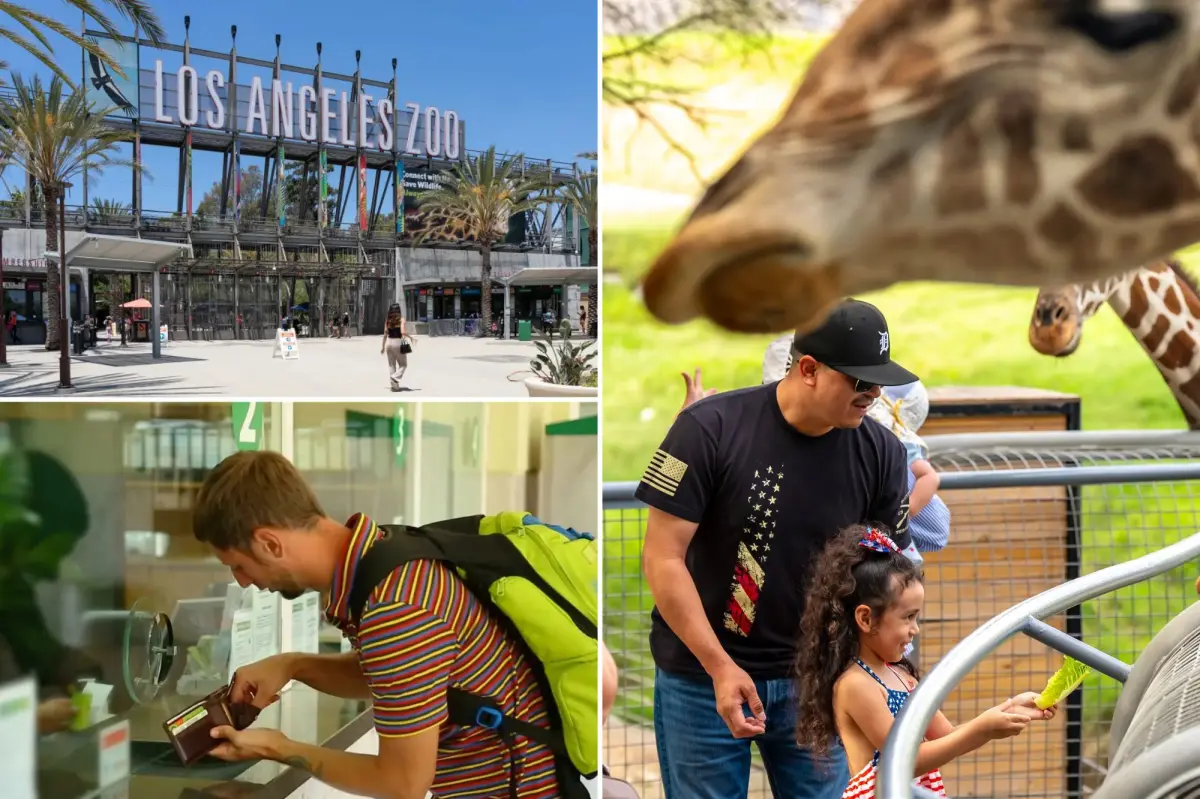
Picture a quintessential Southern California weekend: the sun is high, the traffic is tolerable, and a family of four is talking excitedly about seeing giraffes and gorillas. They pull into Griffith Park, find a parking spot, and make the sun-drenched walk toward the entrance of the Los Angeles Zoo, clutching their wallets with a sense of cautious optimism. But that optimism is becoming harder to maintain. For the second time in just over a year, the price of a ticket is going up, and the simple pleasure of spending a day among the animals is getting a little more expensive. On the surface, this feels like a routine, frustrating cost of living adjustment, the kind of tick-tock we have all come to expect in a major metropolitan area. But behind this seemingly straightforward price hike lies a much deeper and more troubling story—a story about crumbling infrastructure, declining public faith, municipal budget chaos, and the challenging twilight existence of a sprawling public institution that is desperately trying to hold itself together. The Los Angeles Zoo is not just raising its fees; it is effectively sending an SOS signal to its residents, asking them to dig deeper when the institution itself is facing existential questions about its future. This latest increase, approved by a city council committee just this week, is another layer of financial burden for visitors, but it is also a mirror reflecting the vast web of municipal bureaucracy, fiscal mismanagement, and caregiving costs that threaten the very soul of this beloved park.
Paragraph 2
Let’s get down to the hard numbers, because that is where the reality of this burden becomes clear. If the latest increase is approved by the full council, a massive shake-up will hit the ticket booths. Adults between the ages of 13 and 61 will find themselves paying $29 for entry. For families with small children, the cost adds up alarmingly fast; children aged two to twelve will be charged $24 per head, while seniors aged 61 and older will be expected to pay $26. Even group rates are feeling the pressure, jumping to $26 for adults and $23 for children. The only silver lining is that toddlers under two years old still slip through for free, a small mercy for parents of infants. What is most frustrating to visitors is the seeming velocity of these increases. Just twelve months ago, ticket prices jumped by a full $5 mark, the first significant increase since 2019. Taken together, the cost of a day out with the family has risen by $7 or more in less than two years. The bureaucratic machinery behind these increases is just as cumbersome as the fees themselves. This week’s vote was only the first hurdle; the proposed ordinance must now go back to the Budget and Finance Committee for another vote before it can even make it to the full City Council for final consideration. It is a process steeped in red tape, bridging the gap between the simple joy of watching a sea lion eat a fish and the heavy, grinding gears of the city’s fiscal governance. The hike is not just a number on a sign; it is the culmination of a logistical odyssey through council chambers, mayoral considerations, and committee meetings, all while the animals wait in their exhibits for the human politics to settle.
Paragraph 3
Yet, to truly understand why the city is reaching into the pockets of ticket buyers again, we have to look past the chalkboard of new prices and into the stark reality described by a recent report from the Los Angeles County civil grand jury. Their conclusions were sobering, if not shocking: the Los Angeles Zoo cannot continue operating as it has been. The report underscored a grim list of afflictions—deteriorating facilities, plummeting memberships, and overwhelming financial strain—that have put the future of this city-run attraction in actual, tangible peril. The unique tragedy of the LA Zoo is its status in the national landscape. Unlike most major zoos in the United States, which operate as private non-profits or through dedicated public–private partnerships, the Los Angeles Zoo is one hundred percent operated by the city itself. This means it doesn’t have the nimble autonomy to make quick management decisions; instead, its daily operation requires oversight from an absurdly complex maze of stakeholders, including the zoo commission, neighborhood councils, the city attorney, the city controller, multiple city departments, the mayor, and of course, the City Council. Every price change, every maintenance contract, and every staff allocation gets mired in municipal review. While this theoretically preserves public accountability, in practice, it has resulted in fiscal neglect. The city, facing crises of homelessness, infrastructure, and public safety, has historically allowed the zoo to falter on its priority list. Faced with a monumental budget deficit hovering around $1 billion, Mayor Karen Bass defended the previous price increase not as a way to enrich the institution, but as a necessary measure to plug a deep, dark hole in the city’s general fund. The zoo, in effect, has become another piggy bank for a city in crisis, a source of revenue to be extracted rather than an asset to be cultivated.
Paragraph 4
The human and animal toll of this financial hemorrhage is visible everywhere, if you know where to look. Walking through the zoo today, visitors are greeted not just by the roar of big cats, but by the quiet echoes of empty habits that have been shut away. The exhibits for lions, bears, sea lions, and pelicans have all been closed due to major renovation needs that the city simply cannot fund quickly enough. There is a certain heartbreaking stillness to these vacant spaces, where the promise of a wild experience fades into the sight of peeling paint, rusted metal fixtures, and signage that signals a vague “temporarily closed” notice that feels far too permanent. It’s a visceral experience that dampens the magic of a family outing. The human cost extends to the relationship with the animals themselves, as seen in the melancholic departure of the zoo’s final two elephants, Billy and Tina. After decades living in a relatively modest exhibit, they were transferred to the Tulsa Zoo last year following persistent criticism from animal-rights advocates over their living conditions and health concerns. Their quiet departure symbolized the difficulty of maintaining suitable, humane environments for large, intelligent creatures within the constraints of a city budget. Furthermore, federal regulators, including the US Department of Agriculture and the Association of Zoos and Aquariums, have routinely flagged maintenance deficiencies, documenting rust, chipping paint, and, most damningly, a “critical lack of funding and staffing to address even the most basic repairs” in a November 2024 budget document. Unsurprisingly, the public is voting with their feet. A recent report found that memberships collapsed from 36,914 in April 2025 to just 28,440 in February 2026—a staggering loss of 8,474 members, or roughly 23 percent, in less than a year. Why pay for a year-round pass when the enchanting habitats are shuttered and the fences are falling apart?
Paragraph 5
Navigating the allocation of existing funds reveals the complex, contradictory nature of city budgeting. Los Angeles has reportedly allocated $34 million to the zoo, which seems generous at first glance, especially given that $10 million is specifically dedicated to animal care. But when you break down the staggering cost of managing 133 acres in Griffith Park and caring for over 1,600 animals, the math becomes harrowing. Animal husbandry for exotic species is brutally expensive—dietary needs, veterinary care, and environmental enrichment all cost exorbitant amounts. The remaining $24 million must cover maintenance of pathways, administrative payroll for a massive city-staffed workforce, electric bills, water treatment, and the endless list of deferred repairs that have been simmering for decades. The city is essentially caught in a vicious cycle: they lack the funds needed to fix the facilities, which drives down attendance and membership, which in turn brings in less revenue, which justifies another fee increase for the visitors who do come, which further discourages attendance. Despite the $34 million influx, the report paints a picture of an institution that is barely treading water, forced to make heartbreaking choices between fixing a fence and feeding a primate. The city council is faced with the nearly impossible task of justifying higher costs to taxpayers and residents who are already struggling to pay rent, while simultaneously being judged by the federal agencies and the public on the ethical standard of animal welfare. It’s a quagmire where every decision is a compromise, where the love for the animals is constantly butting heads with the ruthless arithmetic of municipal ledgers.
Paragraph 6
Ultimately, this new $2 price hike is a band-aid on a bullet wound, a stop-gap measure that solves this month’s deficit but does nothing to address the fatal structural flaws that threaten the Los Angeles Zoo’s long-term existence. As the ordinance inches its way through the bureaucratic pipeline toward the full City Council, one can’t help but wonder what the future holds for this historic institution. Is the answer more aggressive privatization, or at least a hybrid model that gives the zoo autonomy to make operational decisions without having to wait for a council vote? Or perhaps the city simply needs to accept that a world-class zoo requires a long-term capital investment fund, rather than these year-to-year survival scrabbles. For the casual visitor, the price increase is an annoyance, a reason to choose a beach trip instead of a zoo trip. But for those who truly care about this beloved park’s place in LA’s cultural heart, the rise in tickets is a sobering wake-up call. It represents the uneasy intersection of human financial woes and animal welfare, the uncomfortable truth that we cannot escape the bill for our collective stewardship. The wolves and the zebras don’t understand tax bases or municipal deficits; they only understand whether their enclosures are safe and their caretakers are kind. As we dig deeper into our pockets just to see them, we must ask ourselves whether we are investing in their future or merely delaying the final accounting of a mismanaged legacy. The zoo remains open from 10 a.m. to 5 p.m. daily, a resilient beacon of wildlife in an urban jungle, but it stands on the precipice, waiting for the city to decide if it deserves a real future or just another temporary rescue.