


Late-night television has long served as the comforting, predictable heartbeat of American home entertainment, a reliable sanctuary where viewers can decompress after a long day and laugh at the absurdity of the world. However, when the sweltering heat of summer arrives, regular hosts like Jimmy Kimmel often take well-deserved, extended sabbaticals, leaving their iconic desks in the hands of a rotating, eclectic roster of guest hosts. This annual tradition of musical chairs brings a unique, electric unpredictability to the late-night format, transforming familiar studio spaces like Hollywood’s historic El Capitan Entertainment Centre into experimental playgrounds for different comedic voices. When Anthony Anderson stepped up to guest-host Jimmy Kimmel Live!, he brought with him a lifetime of show business experience, an infectious grin, and a distinctly vibrant energy that immediately shook off any mid-summer lethargy the show’s audience might have been feeling. Anderson, widely celebrated for his award-winning, groundbreaking run on the hit ABC sitcom Black-ish, is no stranger to the spotlight, but stepping onto the late-night stage requires a very specific, demanding set of skills: an ability to connect instantly with a live studio audience, a sharp sense of comedic timing, and the fearlessness required to tackle the day’s most sensitive, polarizing news stories. From the moment he walked out from behind the curtain, greeted by a roaring crowd, it was clear that Anderson was not just there to keep the seat warm or read lines from a teleprompter; he was there to put on an unforgettable show, injecting his own rich cultural perspective and unvarnished honesty into a late-night medium that can sometimes feel overly sanitized, repetitive, and formulaic. His magnetic presence represented a delightful departure from the standard late-night routine, reminding audiences of the sheer, unadulterated joy that comes when a seasoned, beloved performer is given the freedom to play, roast, and engage with the fast-moving cultural zeitgeist entirely on his own terms.
The landscape of modern political commentary is an absolute minefield, heavily saturated with partisan division and online outrage, making the job of a late-night host incredibly challenging as they attempt to find genuine humor in situations that often leave the public feeling anxious, exhausted, or deeply divided. During his stint behind the desk, Anderson faced the daunting task of summarizing a particularly chaotic, fast-moving week in American politics and pop culture, a turbulent period marked by bizarre public appearances, wild press conferences, and the relentless, exhausting noise of the 24-hour news cycle. It was during his opening monologue that Anderson took direct aim at some of the nation’s most prominent, highly scrutinized figures, navigating the delicate balance between biting satire and good-natured ribbing with the grace and precision of a high-wire acrobat. Rather than relying on the standard, predictable political talking points or safe, dry policy jokes that audiences have grown accustomed to hearing from traditional hosts, Anderson chose to focus on the sheer visual absurdity of the political arena, recognizing that sometimes the most effective way to disarm a powerful, intimidating figure is to mock their vanity and public presentation. This clever approach allowed him to tap into a universal, deeply human truth: that regardless of one’s political affiliation or personal beliefs, there is something inherently funny about the carefully manicured, often highly manufactured personas of our leaders and how quickly those artificial personas can unravel under the harsh, unforgiving glare of high-definition television cameras. By focusing on the bizarre physical and superficial details that the rest of the mainstream media often takes far too seriously, Anderson managed to ground his commentary in a sense of everyday reality, beautifully setting the stage for a punchline that would quickly become the most talked-about, laughed-at moment of the entire night.
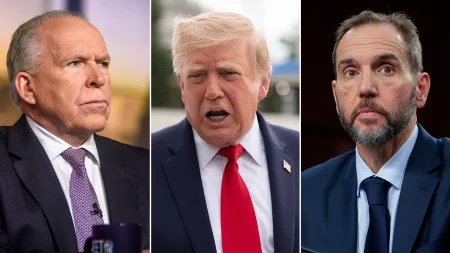
The absolute climax of this brilliant comedic deconstruction arrived when Anderson turned his attention to a specific, highly discussed visual that had been dominating the national airwaves, leading him to deliver the instantly viral, sharp-tongued line that he had “seen better weaves on The Real Housewives of Atlanta.” This joke was a masterclass in cultural crossover humor, brilliantly marrying the high-stakes, self-serious world of national politics with the beloved, delightfully low-stakes drama of modern reality television. By invoking The Real Housewives of Atlanta—a historic reality television franchise legendary for its extravagant fashion, legendary verbal altercations, and notoriously scrutinized, highly debated hair extensions—Anderson brought a specific flavor of Black pop culture and community insider humor to a mainstream, nationwide late-night audience. The comparison was both incredibly specific and universally understood, painting a vivid, hilarious picture of aesthetic catastrophe that resonated deeply with anyone familiar with the intense, unforgiving standards of reality TV beauty and reunion-show preparation. To suggest that a prominent, powerful public figure’s hair or styling choices fell significantly short of the often-chaotic, drama-filled standards of a Bravo reality television show is a special, highly elevated kind of shade, one that requires a deep understanding of pop culture dynamics and a fearless attitude to deploy effectively on network television. The line landed with a thunderous, immediate roar of laughter from the studio audience, not just because of its sheer, unexpected audacity, but because it highlighted the profound absurdity of public figures who attempt to present an image of absolute perfection and control while failing at the most basic levels of personal styling and grooming. It was a moment of pure, unfiltered, and deeply human comedy that demonstrated Anderson’s unique, effortless ability to bridge cultural gaps, using a reference close to his own community’s heart to illuminate and deflate a ridiculous national spectacle.
The immediate, widespread fallout of Anderson’s monologue and his now-famous “weave” comment perfectly illustrates the powerful, transformative role that late-night guest hosts play in shaping the digital conversation, where a single well-delivered joke can effortlessly transcend the confines of traditional linear television and find a massive, highly active second life on social media platforms like TikTok, X, and YouTube. In decades past, a late-night monologue was an ephemeral, fleeting experience, enjoyed only by those who stayed up past midnight to watch it on their television sets and largely forgotten by the next morning, but in our hyper-connected digital age, these shows serve as crucial engine rooms for viral content. They are meticulously designed to be sliced into easily digestible, highly shareable clips that can be viewed, debated, and enjoyed by millions of people who may have never turned on a traditional television set in their lives. Anderson’s joke was perfectly, almost scientifically calibrated for this modern media ecosystem, offering a punchy, highly visual, and endlessly shareable soundbite that captured the internet’s collective imagination and sparked a wave of creative memes, reaction gifs, and humorous compilation videos comparing various political hairstyles to the most infamous hair mishaps in reality TV history. This massive digital resonance serves as definitive proof that modern audiences are hungry for humor that feels authentic, spontaneous, culturally relevant, and slightly dangerous, rather than the heavily scripted, focus-grouped jokes that often dominate the late-night landscape. By wholeheartedly embracing a more conversational, unfiltered style, Anderson demonstrated how a guest host can completely revitalize a legacy brand, drawing in younger, more diverse viewers who appreciate sharp references to shows like The Real Housewives of Atlanta and who desperately want to see late-night hosts engage with the world in a way that feels genuine, modern, and reflective of their own lived experiences.
This triumphant, widely praised hosting turn is a powerful testament to Anthony Anderson’s remarkable, multifaceted career, which has spanned nearly three decades and firmly established him as one of the most versatile, reliable, and beloved entertainers working in Hollywood today. Long before he was commanding the stage behind Jimmy Kimmel’s desk, Anderson was diligently building an incredibly diverse resume that included everything from intense, dramatic roles in critically acclaimed films like Martin Scorsese’s The Departed to beloved, laugh-out-loud comedic performances in classic movies, and, of course, his defining, culturally significant role as Dre Johnson on ABC’s hit sitcom Black-ish, a show that spent eight highly successful seasons expertly navigating the complex, often delicate intersections of race, class, and family in modern America. In addition to his exceptional acting prowess, Anderson has quietly and steadily become one of the entertainment industry’s go-to hosts, effortlessly commanding the stage at major, high-stakes events like the Emmy Awards and hosting popular, family-friendly game shows like To Tell the Truth alongside his hilariously outspoken mother, Mama Doris, always displaying a warm, self-deprecating charm that makes viewers at home feel like they are hanging out with a close, trusted family friend. This vast, incredibly rich wealth of television experience was on full display during his Jimmy Kimmel Live! hosting appearance, where his absolute comfort on the stage allowed him to deliver sharp, potentially controversial political jokes without ever alienating his audience or losing his inherent, crowd-pleasing likability. Anderson possesses a rare, enviable kind of star power—one that is built not on an artificial aura of untouchable, distant Hollywood glamour, but on a solid foundation of genuine relatability, decades of hard work, and an infectious, obvious love for the art of entertaining, making him the perfect surrogate host capable of bringing highly diverse groups of people together through the universal language of laughter.
Ultimately, Anthony Anderson’s memorable guest-hosting gig, highlighted by his sharp-tongued, widely celebrated critique of public vanity and political styling, serves as a poignant, timely reminder of the vital, deeply therapeutic role that comedy plays during times of immense societal stress, cultural division, and political uncertainty. When the modern world feels increasingly polarized, unpredictable, and overwhelming, and the daily news cycle is dominated by grim, anxiety-inducing headlines, late-night comedy acts as a crucial, much-needed psychological release valve, allowing us to collectively laugh at the powerful, deflate the pompous, and find common ground in our shared amusement at the endless absurdities of human nature. By using his temporary but prominent platform to deliver big, hearty laughs and clever, culturally rich critiques, Anderson did far more than just fill in for a vacationing friend; he provided a rare, comforting moment of collective joy and levity that reminded us not to take the elaborate theater of public life too seriously. As the highly competitive landscape of late-night television continues to rapidly evolve and face unprecedented challenges from digital streaming platforms and changing viewer habits, the overwhelming success of guest hosts like Anderson proves that the late-night format is far from dead, provided it remains willing to welcome fresh, authentic voices, embrace diverse cultural perspectives, and courageously push the boundaries of conventional television humor. Anderson’s stellar, incredibly energetic stint behind the late-night desk will undoubtedly be remembered as a true high point of the summer television season, leaving audiences thoroughly entertained and eagerly hoping that it won’t be long before he returns to the late-night stage to deliver more of his signature blend of sharp shade, genuine warmth, and peerless comedic insight.