



Imagine waking up to the sound of gentle waves on the Adriatic coast, wrapping up a morning meeting from a sun-drenched cafe in Tallinn, or spending your lunch break hiking across a volcanic Icelandic plain. By 2026, the traditional, fluorescent-lit office has largely been replaced by a boundless digital landscape, where your workplace is simply wherever you choose to open your laptop. This dream of ultimate geographic freedom, however, requires a delicate balance of practical logistics to prevent it from turning into an administrative nightmare. To help modern wanderers navigate this brave new world, LEI Register, a global database system, conducted an exhaustive study evaluating 40 European nations across 19 critical lifestyle and professional metrics. By examining everything from rental prices and grocery costs to internet speeds, the availability of coworking spaces, safety indices, healthcare quality, local events, English proficiency, and visa frameworks, they have created a definitive roadmap for the modern remote worker. The results show that while some historic tourist favorites fall short when it comes to the daily realities of remote work, other quieter corners of Europe are stepping up to offer the perfect blend of affordability, infrastructure, and community.
At the very top of this prestigious list sits Estonia, a Baltic powerhouse that has successfully married its medieval charm with a hyper-futuristic digital society. For years, Estonia has pioneered the digital frontier, and in 2026, it stands unmatched as the premier destination for digital nomads. The magic of Estonia lies in its effortless blend of low living costs, top-tier safety, and a deeply embedded digital infrastructure that makes bureaucratic hurdles virtually nonexistent. Living here is remarkably affordable; a cozy city-center, one-bedroom apartment averages just €573 per month, while a month’s worth of groceries—filled with hearty local breads, fresh dairy, and Nordic delicacies—will only cost about €247.80. Beyond the financials, Estonia boasts a incredibly welcoming attitude toward foreign workers, offering a straightforward, one-year digital nomad visa for an accessible fee of just €85. It is a place where you can stroll through pristine pine forests or historic cobblestone streets, secure in the knowledge that you are living in one of the safest countries in Europe, backed by reliable internet and a local community that is natively comfortable with English and online-first living.
If Estonia represents the ideal balance of affordability and innovation, the second-place contender, Iceland, represents a dramatic, high-octane lifestyle choice for those with a larger budget. Iceland is undeniably one of the most expensive destinations on the continent, with rent for a city-center apartment averaging a staggering €2,098 a month and monthly groceries clocking in at €541.62. Yet, for nomads who can afford the premium, this Nordic island offers an unparalleled quality of life, boasting the fastest internet speeds in Europe, a thriving network of cutting-edge coworking spaces, and an abundance of cozy Airbnb rentals. It is a exceptionally safe, high-trust society that plays host to a rich calendar of cultural events, making it easy for newcomers to integrate and find their community amidst the dramatic backdrop of waterfalls, geysers, and northern lights. Just behind Iceland in third place is Portugal, a perennial darling of the remote work community. Portugal continues to win hearts with its warm Atlantic breezes, high English proficiency, and accessible €80 one-year nomad visa. While popularity has pushed city-center rents up to an average of €919 per month, Portugal’s legendary coastal lifestyle, reliable internet, and deeply established expat infrastructure ensure it remains a beloved sanctuary for those seeking a sunny, laid-back workplace.
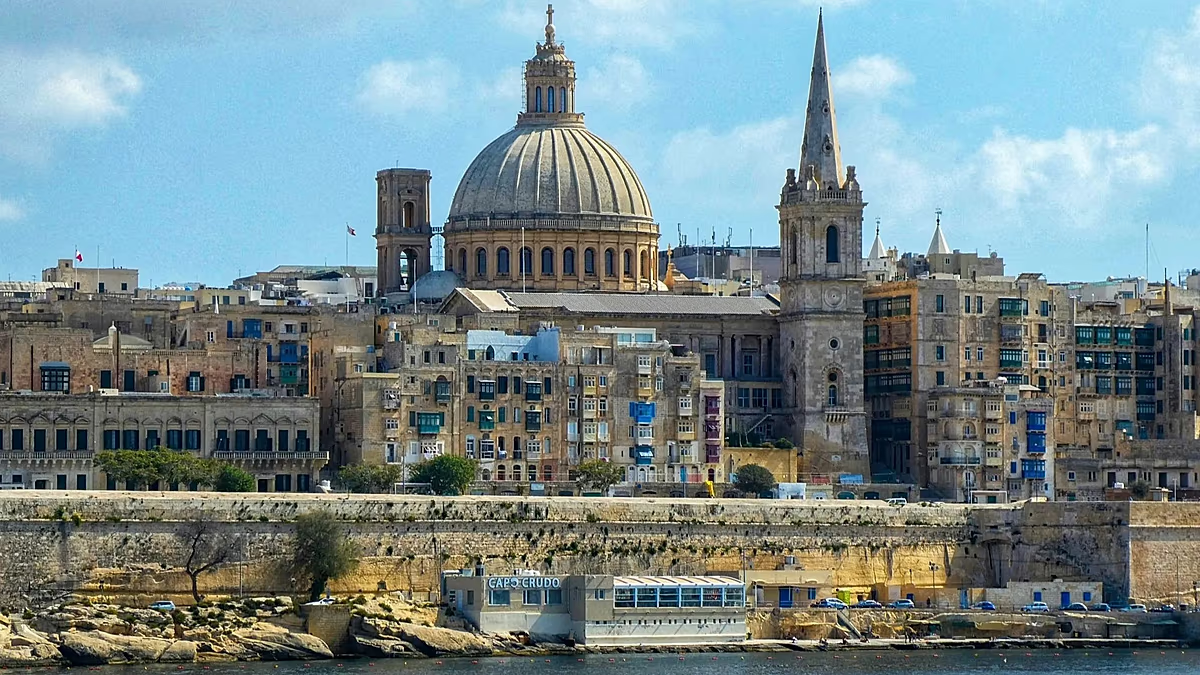
For remote workers who prioritize budget longevity and slow, immersive travel, the eastern coast of the Adriatic Sea offers two spectacular choices in Montenegro and Croatia, ranking fourth and fifth respectively. Montenegro is an absolute dream for budget-conscious adventurers, offering an incredibly cheap visa fee of just €26 for an unprecedented stay of up to 730 days—the longest visa duration of any country in the study. In this majestic land of soaring black mountains and deep blue fjords, a nomad can live comfortably with average rental costs of €576 and monthly groceries at a modest €211.22. While Montenegro’s local healthcare system leaves room for improvement, the abundance of temporary housing and the warmth of the local culture make it highly attractive for those wishing to slow down and unpack their bags for a couple of years. Just up the coast, Croatia captures the fifth spot, offering a highly appealing 540-day digital nomad visa, world-class safety, and a vibrant social scene filled with cultural events. Renting a city-center apartment here averages a reasonable €663, and groceries sit at €232.46. Croatia’s only major drawback is its internet speed, which surprisingly ranks as the slowest among the top tier, meaning nomads who rely on heavy data uploads might need to plan their video calls with a bit of patience.
Conversely, the study serves as a crucial warning that some of Europe’s most beloved travel destinations can be surprisingly hostile environments for long-term remote workers, with Ireland languishing at the very bottom of the entire ranking. It is a heartbreaking result for fans of the Emerald Isle, which ranks highly for its legendary hospitality, English proficiency, vibrant pub culture, and coworking options. However, Ireland’s ongoing housing crisis has driven city rents to astronomical heights, and when combined with a lackluster healthcare rating and, crucially, the complete absence of a dedicated digital nomad visa, it becomes nearly impossible for non-EU remote workers to legally or affordably make Ireland their home. Similarly, Switzerland occupies the second-to-last spot on the list. While Switzerland offers breathtaking alpine vistas, flawless safety, hyper-efficient public transport, and blistering internet speeds, its astronomical cost of living—where rent averages €1,785 and groceries are among the highest in the world—combined with a strict lack of a digital nomad visa, makes it an impractical playground for anyone without a corporate fortune.
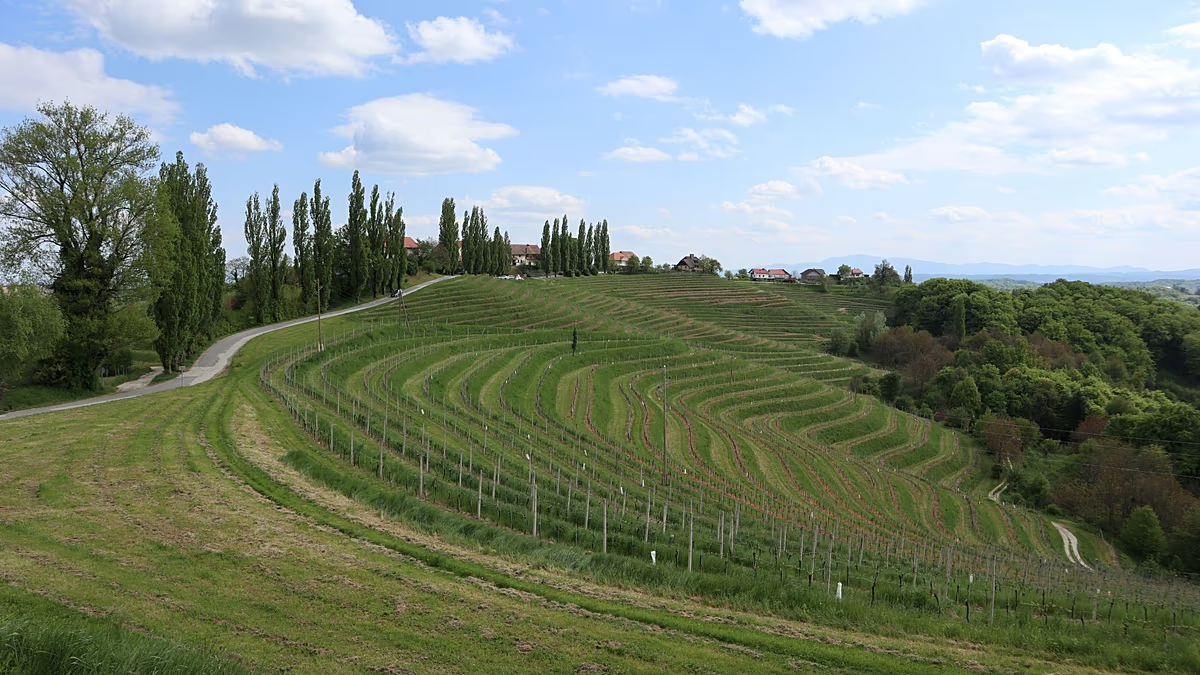
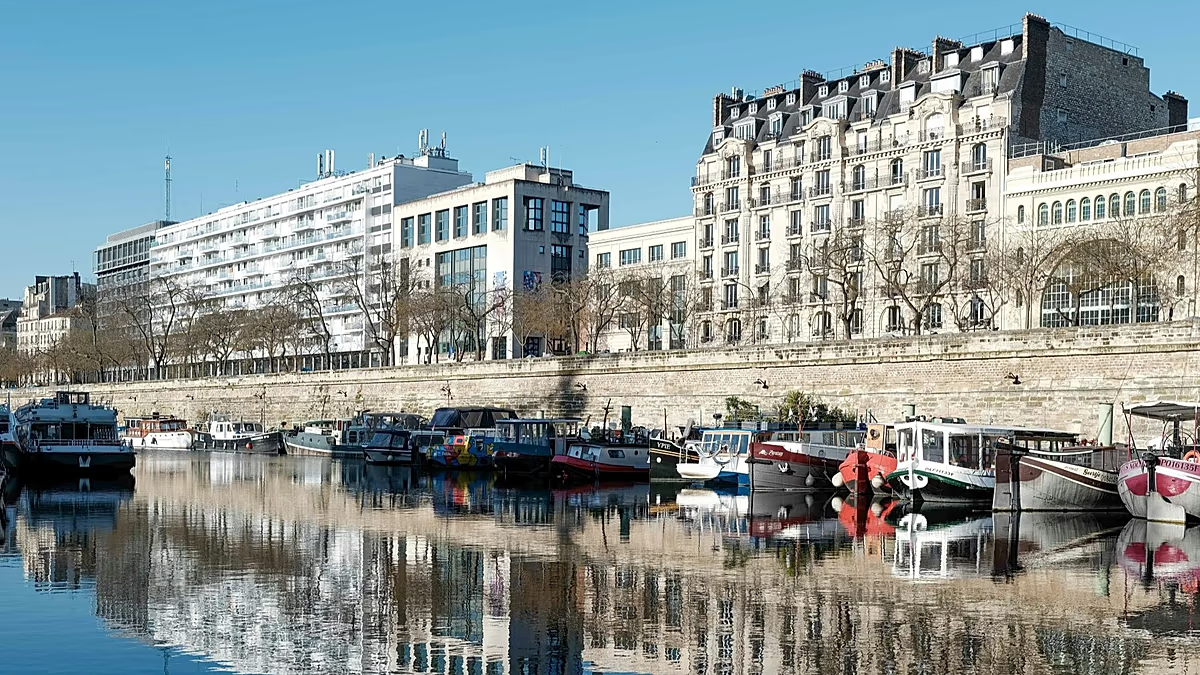
The struggle continues in Eastern Europe and the Mediterranean, where Belarus and Bosnia and Herzegovina sit near the bottom of the list, hindered by a lack of remote work visas and weak physical and digital infrastructure. Perhaps the most surprising disappointment in the entire study, however, is France. Despite retaining its crown as the most visited tourist destination on earth, France ranks in the bottom five for digital nomads, shattered by a combination of high bureaucratic barriers, a complete lack of a specialized nomad visa, surprisingly low English proficiency outside of major tourist hubs, and the worst safety index rating in the entire study. Ultimately, the 2026 rankings remind us that the dream of digital nomadism is about far more than just beautiful postcard views and historic monuments. It is about the daily rhythm of life—the ease of buying groceries, the security of walking home at night, the speed of your Wi-Fi when a deadline is looming, and the peace of mind that comes with a legal, welcoming visa. As countries like Slovenia, Czechia, Spain, Lithuania, and Romania fill out the rest of the top ten, they prove that the future of work belongs to the nations that actively build welcoming, affordable, and digitally integrated spaces for the global citizen.