

As the golden warmth of late summer begins to transition into the crisp anticipation of autumn, students across the vast expanse of the Los Angeles Unified School District (LAUSD) are preparing to sling their backpacks over their shoulders and return to the classroom. However, this academic year brings with it a sensory revolution that stretches far beyond the pages of textbooks, the quiet hum of computer screens, and the traditional lectures. LAUSD has pulled back the curtain on an incredibly diverse, vibrant, and thoughtful new menu designed to completely redefine how students perceive school lunches. For generations, the school cafeteria has been stereotyped as a place of uninspired, institutional food—congealed pizzas, mystery meats, and soggy vegetables that students frequently discarded. This year, the district is turning that stereotype on its head by transforming school cafeterias into culinary hubs where nutrition, cultural pride, and gourmet artistry collide. This massive effort is not just about filling bellies; it is about recognizing that food is an essential cornerstone of the educational experience, nurturing both the bodies and minds of the next generation. By centering the voices, cultures, and desires of the student body, LAUSD is demonstrating a profound understanding of how modern school communities thrive when they are nourished with respect, creativity, and love.
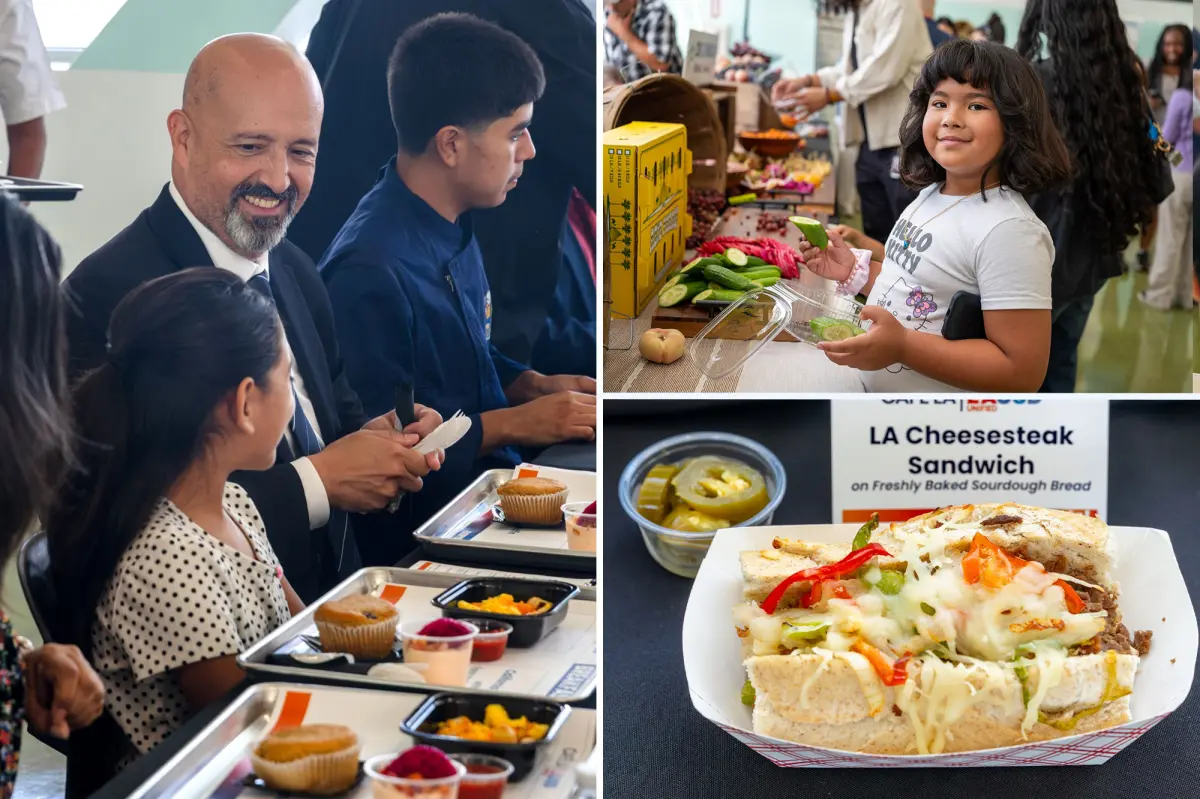
The true magic of this culinary transformation lies in the fact that the students themselves are the architects of many of these new offerings, bringing their unique personal backgrounds to the cooking line. Over the weekend, the bustling campus of West Adams Preparatory High School became a vibrant testing ground of flavor as students, eager parents, and district officials gathered for an exclusive menu-tasting event. Amidst the laughter and clinking of plates, one young man stood out: Daniel Sandoval, an aspiring student chef who spearheaded the amateur culinary team responsible for creating the event’s most talked-about dish. Daniel and his team crafted a rich, comforting butter chicken paired with a crisp, refreshing kachumber salad—a classic Indian cucumber and tomato dish. Driven by a deep-seated desire to ensure that every culture within the diverse tapestry of Los Angeles feels represented and celebrated, Daniel poured his heart into perfecting the recipe. He spoke passionately about the sensory experience of the dish, explaining that traditional Indian spices like turmeric and earthy curry spice were the secret keys to making the meal stand out. Seeing their peers savoring a dish born from student creativity sent a powerful message through the crowd: that the voices of young people are not only being heard but are actively shaping the daily culture of their schools.
To elevate this initiative even further, LAUSD collaborated with renowned celebrity chefs to bring professional-grade culinary star power directly to the school cafeteria trays. These master chefs worked hand-in-hand with the district’s nutrition teams to design a mouthwatering array of dishes that feel more like items from a trendy food truck or a beloved local bistro than standard school fare. Among the highly anticipated additions are a savory chorizo breakfast bowl designed to kickstart students’ mornings with a spicy kick, a crispy pork katsu sandwich that mirrors the beloved Japanese comfort food, a classic and hearty LA cheesesteak, and comforting lasagna rolls packed with rich marinara and cheese. For those seeking plant-based options, the district has introduced a delightfully sweet and wholesome vegan blueberry muffin, ensuring that students with varying dietary preferences and ethical lifestyles are fully embraced. These collaborations prove that school food does not have to be boring or highly processed to be prepared at scale. Instead, by infusing contemporary trends and global flavor profiles into the daily menu, the district is treating students to a world-class dining experience that broadens their palates, respects their sophisticated tastes, and makes them look forward to the lunch bell.
Beyond the gourmet recipes and celebrity influences, this new culinary program is deeply rooted in the fertile soils of California’s agricultural heartland, fostering a direct connection between local earth and young minds. Through the district’s pioneering “Farm to School Farmer’s Harvest” program, LAUSD has forged strong partnerships with local growers to bring fresh, seasonal fruits and vegetables straight from regional farms to school cafeteria lines. During the tasting event at West Adams Preparatory, students happily sampled an array of crisp, sweet, and colorful California-grown produce, learning about where their food comes from while enjoying the unmatched flavor of ingredients harvested at the peak of freshness. This focus on farm-to-table nutrition is a crucial element of the district’s holistic approach to student wellness, which acknowledges that physical health is intrinsically linked to academic success. Nutritionists and educators have long pointed out that a diet rich in whole foods, free from excessive additives, is vital for cognitive function, emotional stability, and overall stamina. By replacing processed snacks with fresh, locally sourced fruits and vegetables, the school district is taking a proactive stance on student health, proving that investing in the local agricultural community is a direct investment in the futures of the children who sit in their classrooms every day.
Reflecting on this monumental shift, LAUSD Superintendent Andres E. Chait shared his own sense of wonder and pride regarding how far the district’s meal programs have evolved over the decades. He noted that the unappealing, industrial school meals of his youth are now a distant memory, replaced by a forward-thinking system that treats school nutrition as a vital component of public health and emotional well-being. Chait passionately articulated the philosophy driving these changes, reminding everyone that the gut is often referred to as our “second brain,” and that feeding children high-quality, nutritious meals is a direct catalyst for better learning, improved focus, and higher school attendance rates. He also expressed a deep emotional connection to the cultural diversity reflected in the new menu items, particularly the inclusion of chicken pozole, a traditional Mexican hominy soup that carries immense cultural weight for many families in Los Angeles. With a warm smile, Chait remarked that if someone had told him thirty years ago that a traditional dish like pozole would be served as a standard school meal, he would have found it completely unbelievable. This cultural representation on the menu is more than just a culinary choice; it is a validation of the diverse identities that make up the LAUSD community, showing students that their heritages are valued, respected, and worthy of celebration in every corner of their school.
Managing a food program of this scale is no small feat, as LAUSD is responsible for serving more than half a million meals every single school day to a diverse and energetic student population. Yet, rather than letting the sheer volume of production dilute the quality of the food, the district has embraced this massive responsibility as an opportunity to lead the nation in progressive school nutrition and food equity. By actively listening to the feedback of their students, collaborating with culinary experts, and partnering directly with hardworking California farmers, LAUSD is showing that large-scale institutional dining can be both highly nutritious and deeply satisfying. This initiative represents a beautiful symbiosis where agriculture, education, and community care intersect to create a healthier future. As the school bell rings to welcome students back for the new term, they will step into a school environment where lunchtime is no longer just a break in the schedule, but a daily celebration of flavor, health, and community. The new menu stands as a testament to what can be achieved when a community comes together to nurture its children, proving that a delicious, culturally rich meal can feed the soul just as much as it feeds the mind.