


In the quiet aisles of Tehran’s supermarkets, a heartbreaking transformation is taking place, turning ordinary, law-abiding citizens into desperate shoplifters. Supermarket workers, like a young employee named Amirhossein, are witnessing an unprecedented wave of petty theft that has nothing to do with greed and everything to do with basic survival. Respectable mothers, elderly grandfathers, and young workers are increasingly caught concealing modest blocks of cheese, small tubs of butter, packages of bread, or even quickly consuming pastries in the back corners of stores before reaching the registers. These are not professional criminals targeting luxury goods; they are hungry people under unimaginable psychological and economic pressure, driven to compromise their dignity just to quiet their rumbling stomachs or feed their children. Amirhossein’s observations, recently spotlighted in the Iranian newspaper Jahan-e Sanat, offer a raw, human window into a society slowly suffocating under the weight of an economic crisis that has moved past abstract statistics and settled directly onto the dinner tables of the working and middle classes.
These painful, individual stories of survival are deeply rooted in a catastrophic macroeconomic reality that has hollowed out the purchasing power of the Iranian people. According to Miad Maleki, an analyst and former U.S. Treasury Department sanctions official, the country is experiencing what can only be described as World War II-level food inflation, with official data from the Statistical Center of Iran painting a grim picture of systemic collapse. By early 2026, general food and beverage inflation had soared past a staggering 112%, while the cost of absolute daily essentials like bread and cereal skyrocketed by an unimaginable 140%. Dairy products, eggs, and milk—the building blocks of basic nutrition—surpassed a 116% price increase over a single year. When the price of bread, the ultimate symbol of sustenance in Iranian culture, rises so far out of reach, the societal fabric begins to fray, leaving millions of families facing a quiet, agonizing daily calculation of which meals to skip and which nutritional needs to ignore.
Compounding this tragedy is the relentless, free-falling collapse of the national currency, the rial, which has stripped Iranian citizens of their savings and earning power in a matter of months. On the open market, the exchange rate has spiraled out of control, plummeting from an already disastrous 1.5 million rials per U.S. dollar to a crushing 1.94 million rials as regional conflicts and economic isolation intensify. In a desperate attempt to patch over the gaping wounds of this monetary crisis, the government eliminated crucial subsidized exchange rates for essential imports, a move that immediately triggered a domino effect of massive price spikes across the entire retail sector. To offset this blow, the state introduced monthly cash credits to citizens worth approximately $7 at the open-market rate—an insulting pittance that fails to cover even a fraction of a family’s weekly grocery list, demonstrating how detached the ruling regime’s economic policies have become from the daily struggles of the population they govern.
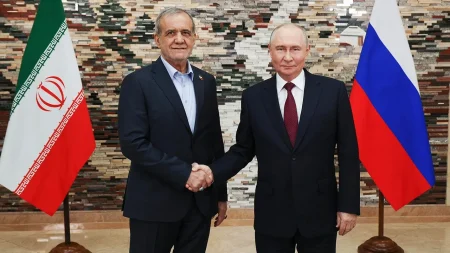
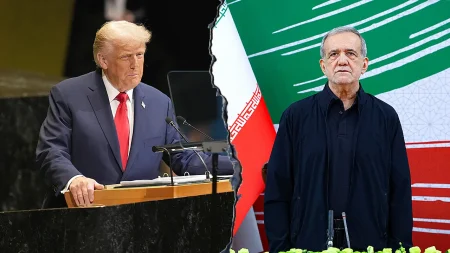
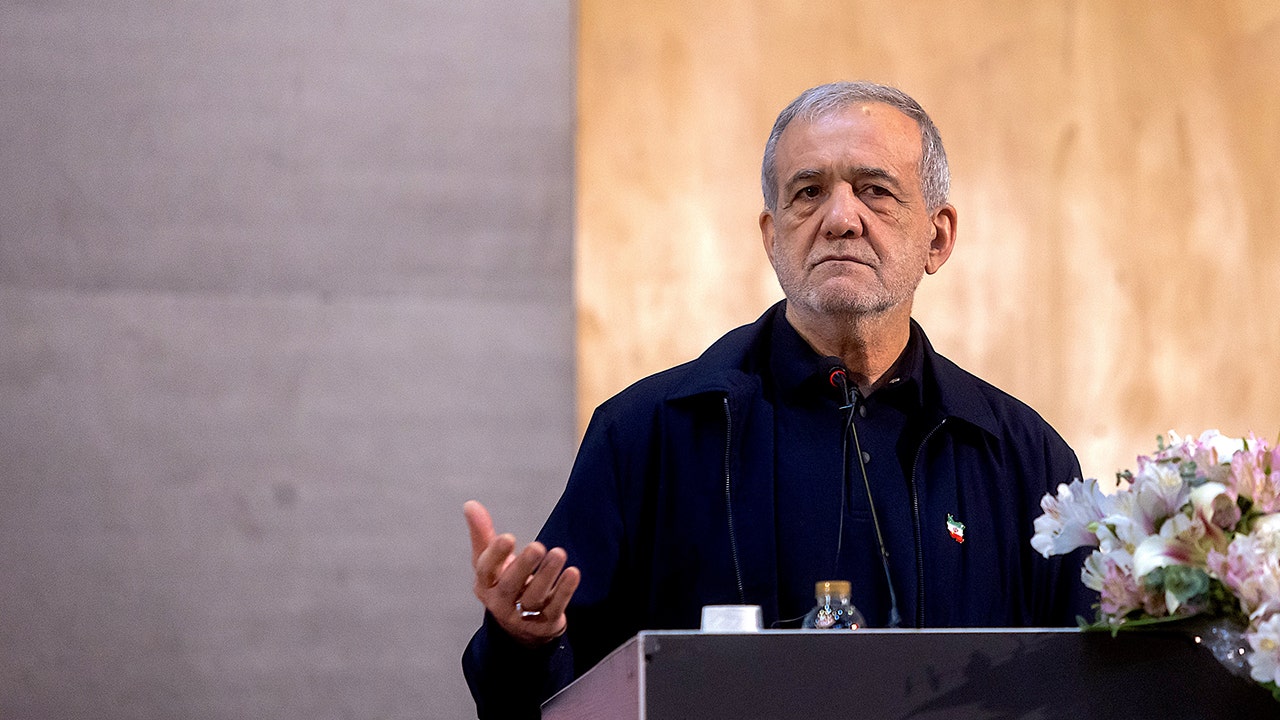
While ordinary citizens are forced to steal bread to survive, the political leadership in Tehran remains firmly entrenched in a state of defensive denial and nationalistic rhetoric. President Masoud Pezeshkian recently addressed the nation, acknowledging the existence of unspecified “difficulties and problems,” but quickly shifted the blame outward, claiming that foreign “enemies” are actively orchestrating the economic pressure to provoke public protests. In his official televised speeches, Pezeshkian insisted that Iran remains powerful, resilient, and deeply respected on the world stage, offering empty platitudes of strength to a population that is actively drowning in poverty. This stark disconnect between the regime’s grandiose geopolitical posturing and the desperate reality of its citizens highlights a dangerous empathy gap, where the state prioritizes ideological warfare and regional influence over the literal starvation of its own people.
Historically, this level of economic desperation has been the single most potent trigger for civil unrest in Iran, far outstripping ideological or social grievances in its ability to mobilize the masses. Analysts point directly to the bloody demonstrations of November 2019, which were sparked overnight by a sudden, government-imposed spike in gasoline prices, as proof that when the cost of living becomes physically unsustainable, the public will risk their lives to protest. However, as Maleki warns, economic misery does not automatically translate into immediate political change, because the regime possesses a highly brutal and efficient apparatus of domestic terror. The Islamic Revolutionary Guard Corps (IRGC) and the ruthless Basij paramilitary forces have proven time and again that they are entirely willing to use lethal force, mass arrests, and public executions to suppress hungry protestors rather than make the necessary economic and structural concessions to alleviate their suffering.
Ultimately, the phenomenon of grocery store thefts and soaring inflation suggests that Iran is locked in a slow-motion collapse, creeping steadily toward a devastating social tipping point. This tipping point is not defined by a single, dramatic revolutionary event, but rather by the gradual, agonizing breakdown of basic caloric and nutritional access for a vast majority of the population, dragging the middle class down into the desperate survival mode previously reserved only for the poorest. As the state of conflict persists and the artificial market controls continue to fail, inflation threatens to skyrocket even higher, leaving a proud and historic nation to grapple with the quiet tragedy of a population that can no longer afford to feed itself. The stolen bread and hidden cheese in Tehran’s supermarkets are not merely signs of petty crime; they are the haunting distress signals of a resilient society being pushed far past its absolute breaking point.