

The weekend began with an eerie, heavy stillness, a dry heat that clung to the skin and whispered of danger long before the first plume of dark smoke breached the horizon. When the fires finally ignited, they did so with a ferocious velocity that caught even seasoned meteorologists off guard, turning dry brushlands into a raging sea of amber and crimson that consumed everything in its path. As the wind whipped the flames into towering vortexes, entire neighborhoods found themselves standing in the path of an unstoppable force, forced to watch as the afternoon sky bruised into a suffocating, unnatural charcoal gray. The physical devastation left in the wake of the blazes is staggering, presenting a vast landscape of charred foundations, melted vehicles, and blackened forests where vibrant communities and local wildlife once thrived. For those who evacuated, fleeing down narrow roads clogged with ash and emergency vehicles, the experience was a harrowing descent into uncertainty, leaving them to wonder if anything they owned would survive the night. Yet, when the sun finally rose on Monday morning over a smoldering landscape, a profound sense of relief began to ripple through the crowded evacuation shelters and emergency operations centers. Despite the immense and heartbreaking scale of the material property damage, officials delivered the extraordinary news that there had been absolutely no reported fatalities. In a disaster of this magnitude, where the elements seemed entirely hostile and unforgiving, the survival of every single resident stands as a monumental triumph of human coordination, neighborly love, and sheer resilience.
This miraculous zero-casualty rate was not merely a stroke of passive luck, but rather the hard-won result of a community united in a desperate, coordinated bid to protect one another. In the frantic hours of Saturday and Sunday, as emergency sirens wailed continuously and urgent alerts lit up mobile phones, ordinary citizens transformed into selfless protectors. Neighbors who had previously only exchanged polite nods over backyard fences found themselves pounding on doors, helping elderly residents pack essential medications, and loading frightened pets into the backs of pickup trucks. Firefighters and search-and-rescue teams worked exhaustively through consecutive shifts without sleep, putting their own lives on the line to navigate smoke-blinded streets and pull vulnerable individuals from the direct path of the oncoming firestorm. The relief of knowing that everyone made it out alive is a heavy, emotional balm that has begun to soothe the initial shock of the disaster. In the local high school gym, which had been quickly converted into a temporary shelter, families huddled together on cots, weeping not for what they had lost, but out of sheer gratitude that they were still whole. This collective survival underscores a powerful truth: while walls can be rebuilt and forests will eventually grow back, the heartbeat of a community resides entirely in its people, whose lives were saved through a tapestry of quick decisions, heroic rescues, and an unwavering commitment to leave no one behind.
Even as the community celebrates the preservation of life, the process of coming to terms with the physical loss is a deeply painful, profoundly human journey that is only just beginning. Walking through the ruins of one’s life is an experience that strips away the superficial, leaving behind a raw vulnerability that words can scarcely capture. Families returning to their properties find themselves searching through piles of hot, gray ash for any small fragment of their personal history—a ceramic mug, a charred wedding album, or a child’s metal toy that somehow withstood the intense heat. These are not merely material possessions; they are the physical anchors of human memory, and losing them feels like a quiet, devastating erasure of the years spent building a life. Yet, in the conversations echoing through the volunteer distribution centers and food donation lines, a distinct and inspiring perspective is taking root among the survivors. There is a profound realization that the most precious things they owned were never the roofs over their heads, but the people who sat beneath them. The shared grief is palpable, but so is the shared resolve to heal together, as neighbors offer what little they have left to those who lost absolutely everything, creating an informal network of solidarity that is far stronger than any physical building.
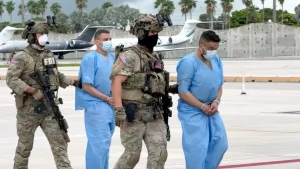
However, the emotional landscape of the community underwent a sudden and jarring shift late on Monday evening, transforming from weary grief into a complex mixture of shock, anger, and betrayal. As the smoke began to clear and the immediate danger subsided, local law enforcement officials made a stunning announcement that sent shockwaves through the region. A man had been arrested under the heavy suspicion of having deliberately set one of the devastating fires that initiated the weekend’s chaos. For a community that had just spent forty-eight hours fighting for survival, the news that this immense suffering might not have been an unavoidable act of nature, but rather a deliberate act of human malice, was incredibly difficult to digest. The collective sigh of relief that had characterized the day was suddenly replaced by a tense, heavy silence as people struggled to comprehend why anyone would intentionally unleash such terror upon innocent families. This revelation opened a new emotional wound, forcing residents to confront the reality that the threat had not just come from the dry environment, but from within the human element itself, sparking a burning desire for answers and accountability. The transition from battling a natural disaster to confronting a criminal act has fundamentally altered the narrative of the fires, adding a layer of trauma that the community must now navigate together.
The details surrounding the arrest remain tightly guarded as investigators work meticulously to build a foolproof case, but the swift action of law enforcement has provided some measure of closure to a traumatized public. Late-night police briefings revealed that the suspect was apprehended following a combination of vigilant eyewitness reports, physical evidence gathered near the point of origin, and rapid forensic analysis. The dedication of the investigative teams, who worked tirelessly even as the fires raged, highlights the multifaceted nature of the disaster response, where justice must be pursued with the same urgency as public safety. For the suspect, the legal process will now unfold in the sterile environment of a courtroom, far removed from the smoky hillsides and weeping families his alleged actions created. As the legal system begins its slow march forward, the community is left to grapple with the psychology of arson—a crime that feels uniquely violating because it weaponizes the natural world against the sanctuary of the home. Despite the anger simmering beneath the surface, local leaders have urged residents to channel their emotions into constructive support for one another, ensuring that the actions of one individual do not dictate the spirit or the future of the entire town. They remind the public that justice will take time, but the immediate priority must remain the physical and emotional welfare of those displaced.
In the coming weeks and months, the scars on the land will remain a visible reminder of the weekend the earth burned, but the human spirit of this community promises to outshine the devastation. Rebuilding will be a monumental task, requiring not just physical labor and financial investment, but a continuous, gentle care for the mental and emotional well-being of those who lived through the nightmare. The ashes will eventually be cleared, new foundations will be poured, and the blackened hills will slowly witness the return of green shoots, symbolizing the inevitable cycle of renewal. What cannot be undone, and what will forever define this chapter of their history, is the way the community stood together when the world seemed to be falling apart around them. The story of these fires is ultimately not one of destruction or malice, but a story of miraculous survival, human decency, and an unbreakable bond that no flame could ever hope to consume. As they move forward, hand in hand, the survivors carry with them the knowledge that they have already endured the worst, and in doing so, they have discovered the absolute best of who they are. Their resilience is a quiet promise to the future that out of these ashes, they will build a community that is stronger, closer, and more united than ever before.