

Geopolitics and Digital Gold: How Global Conflict Dictates Bitcoin’s Modern Volatility
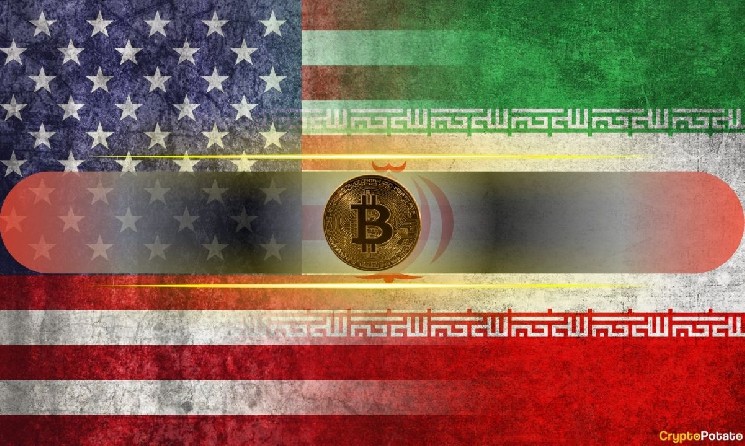
The global cryptocurrency market has once again found itself at the mercy of international diplomacy, demonstrating a heightened sensitivity to geopolitical friction that rivals traditional safe-haven assets. In a dramatic turn of events, Bitcoin’s price underwent a rapid and volatile U-turn, collapsing to an eighteen-day low of $62,200 before staging a sudden, $1,500 recovery to settle comfortably back around the $63,500 mark. This rapid stabilization was triggered almost entirely by unexpected developments along the volatile United States-Iran geopolitical axis, proving once again that decentralized digital assets do not operate in a vacuum. For decades, traditional commodities like crude oil and gold served as the primary financial bellwethers for Middle Eastern instability; however, in the modern digital age, Bitcoin has increasingly assumed the role of a highly responsive, twenty-four-hour risk barometer. When rumors of imminent military strikes circulated late in the evening, automated trading algorithms and panic-stricken retail investors immediately triggered a sell-off, highlighting how vulnerable speculative assets remain to sudden liquidity drains during times of potential military escalation. Yet, the subsequent relief rally proved just as swift, underscoring a market that is hyper-reactive to any news of diplomatic de-escalation, as global capital rapidly repositions itself the moment the threat of physical warfare begins to recede.
The “Locked and Loaded” Pause: Decoding Trump’s Truth Social Diplomacy
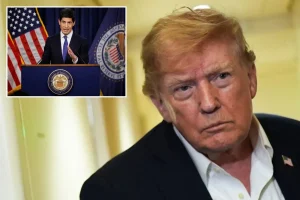
The catalyst for this sudden market reversal was a late-night social media post by former U.S. President Donald Trump, whose digital declarations continue to exert immense influence over global financial markets. Writing on his platform, Truth Social, Trump informed his followers and the wider public that while the United States military remained fully prepared and “locked and loaded” to execute targeted strikes against Iranian infrastructure, a temporary halt had been called at the direct request of the Iranian government and several neighboring Middle Eastern nations. According to Trump, these regional intermediaries are actively working to draft a comprehensive diplomatic framework that would secure the immediate, complete, and total opening of the critically important Strait of Hormuz, alongside a permanent resolution to Iran’s escalating nuclear threat. Trump expressed a cautious willingness to explore this diplomatic off-ramp, stating that he agreed to cancel the pending military strikes for the future benefit of global stability and the potential survival of a prosperous Iranian state, provided a binding agreement could be rapidly finalized. Crucially, the announcement noted that Israel had joined the United States in this strategic pause, creating a rare moment of coordinated diplomatic breathing room in a region that had spent the preceding forty-eight hours on the absolute brink of all-out war.
Under the Hood: ETF Outflows and the Technical Pressures Dampening Crypto
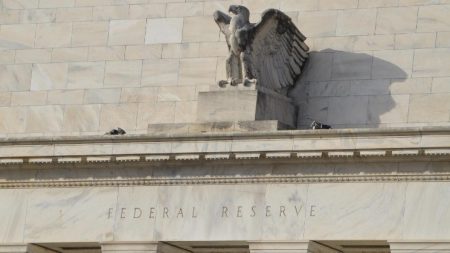
While the headlines from the Middle East undoubtedly dictated the immediate price trajectory of the world’s largest cryptocurrency, a closer inspection of market micro-structures reveals that Bitcoin was already fundamentally vulnerable to a downward correction. Prior to the geopolitical shockwaves, institutional sentiment had begun to sour, characterized by a persistent and worrying exodus of capital from newly launched spot Bitcoin exchange-traded funds (ETFs) in the United States. This institutional capital flight, combined with deteriorating technical indicators such as a failure to maintain crucial moving averages and declining trading volumes, suggested that a bearish turn was already in the cards. Many institutional asset managers, anticipating broader macroeconomic headwinds and potential interest rate decisions from the Federal Reserve, had quietly begun trimming their exposure to high-beta assets throughout the week. Consequently, when the threat of military escalation between Washington and Tehran emerged, it acted as an accelerant on an already dry tinderbox of market anxiety, triggering stop-loss orders and liquidating leveraged long positions. The subsequent rebound to $63,500, therefore, represents not just a sigh of relief over avoided military conflict, but a precarious short-squeeze where bearish traders who had over-leveraged their positions on the way down were forced to buy back assets as soon as the diplomatic pause was announced.
The Chokepoint of Global Trade: Why the Strait of Hormuz Holds Sway Over Digital Markets
To understand why a potential resolution regarding the Strait of Hormuz possesses the power to swing Bitcoin’s price by thousands of dollars in a matter of minutes, one must examine the profound systemic connection between physical maritime trade and digital asset liquidity. The Strait of Hormuz is widely regarded as the most critical oil transit chokepoint on the planet, with roughly a fifth of the world’s consumption passing through its narrow waters daily; any threat to its closure immediately spikes global energy prices and ignites fears of runaway, supply-side inflation. For the cryptocurrency market, persistent inflation is an existential threat because it forces central banks—most notably the Federal Reserve—to maintain restrictive monetary policies and keep interest rates elevated for a prolonged period. High interest rates drain cheap liquidity from the global financial system, making speculative, high-yield assets like cryptocurrencies significantly less attractive to institutional allocators who can otherwise find guaranteed yields in government debt. By proposing a diplomatic deal that guarantees the unhindered flow of commerce through Hormuz, the threat of an energy-driven inflationary shock is mitigated, which in turn reassures investors that the macroeconomic path toward global monetary easing and increased liquidity remains intact.
The Safe Haven Paradox: Is Bitcoin Digital Gold or a Liquid Risk Asset?
The dramatic market fluctuations of the past twenty-four hours have reignited a fierce, long-standing debate among economists, financial analysts, and cryptocurrency purists regarding the true narrative identity of Bitcoin during times of geopolitical crisis. On one side of the ledger, proponents of the “digital gold” hypothesis argue that Bitcoin’s absolute mathematical scarcity and decentralized architecture make it the ultimate long-term hedge against systemic collapse, fiat currency debasement, and war-induced confiscation. However, real-time trading data consistently challenges this idealistic view, revealing that during the initial phase of any sudden geopolitical or military escalation, Bitcoin behaves almost entirely like a highly sensitive, risk-on asset, dumping in tandem with tech stocks as investors desperately seek the ultimate safety of the US dollar. It is only after the initial shock waves subside, or when diplomatic breakthroughs are announced, that Bitcoin experiences these spectacular relief rallies, demonstrating that the market still views the asset primarily through the lens of global speculative liquidity rather than as a pristine geopolitical refuge. This dual nature creates a fascinating financial paradox: while Bitcoin may eventually mature into an independent, non-correlated store of value, its current price action remains deeply tethered to the collective risk appetite of traditional Wall Street institutions.
The Weekend Prelude and the Monday Morning Reality Check
As the dust settles on this latest round of high-stakes diplomatic maneuvering, seasoned market observers are keeping a watchful eye on how these weekend price movements will translate when traditional financial institutions reopen on Monday morning. Because cryptocurrency markets operate continuously, twenty-four hours a day, seven days a week, they often serve as an early-warning diagnostic tool for broader market sentiment, reflecting real-time reactions to geopolitical developments long before the New York Stock Exchange or the Chicago Mercantile Exchange can open their doors. History has demonstrated on numerous occasions over the past several weeks that weekend crypto rallies fueled by late-night social media updates can sometimes prove fleeting once the massive institutional liquidity of traditional finance enters the arena on Monday. If institutional players view the Trump-brokered diplomatic pause as a highly fragile, temporary reprieve rather than a permanent resolution, they may use the current relief rally to further de-risk their portfolios, potentially capping Bitcoin’s upward momentum. Ultimately, the coming days will serve as a crucial litmus test for the digital asset market, revealing whether Bitcoin can build a stable foundation above the $63,000 threshold or if it will remain hostage to the unpredictable, fast-moving tides of Middle Eastern diplomacy and global macroeconomic policy.