

Echoes of Chaos: The Shockwave That Shattered a Quiet Morning
The morning began like any other in the bustling heart of the city’s commercial district, defined by the familiar rhythm of rushing commuters, clinking coffee cups, and the low hum of street-level traffic. Yet, in a single, terrifying instant, this routine tapestry of urban life was violently torn apart by a deafening blast that reverberated for blocks. The sudden explosion, which erupted within the main lobby of a prominent multi-story office plaza, transformed a polished glass-and-marble entryway into a chaotic scene of thick black smoke, jagged shards of glass, and panicked screams. Within minutes of the detonation, the immediate metropolitan explosion aftermath saw dozens of emergency vehicles descending upon the cordoned-off intersection, their sirens wailing against a backdrop of rising dust and debris. As first responders navigated the hazardous, smoke-filled interior, they were met with a scene of utter devastation where survivors staggered toward the exits, covered in soot and blood, while others lay trapped beneath fallen structural panels. Law enforcement officials quickly established a wide security perimeter, pushing back stunned onlookers and redirecting traffic as tactical units, canine teams, and bomb disposal squads rushed to secure the building against potential secondary devices. The sheer force of the blast not only shattered the physical structure of the building but also deeply rattled the community’s collective sense of safety, leaving twenty-one individuals injured and claiming two lives in a tragedy that has sparked an intensive, multi-agency investigation.
Anatomy of a Tragedy: Unmasking the Casualties of the Blast
+———————————————————————–+
| THE EPIDURAL OF AN ATTACK |
+———————————————————————–+
| [ Suspicious Package ] —> Brought by Unidentified Female Courier |
| | |
| v |
| [ Security Desk Checkpoint ] —> Intercepted by Vigilant Guard |
| | |
| v |
| [ Detonation Point ] ———> 21 Casualties / 2 Fatalities |
+———————————————————————–+
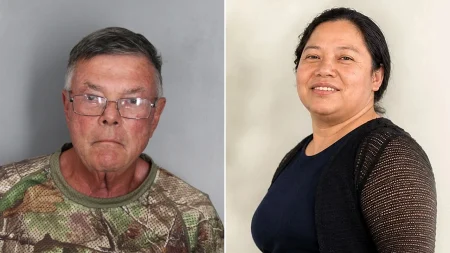
As the dust began to settle, investigators turned their attention to the heartbreaking task of identifying the casualties, revealing a narrative defined by both quiet heroism and dark, unresolved questions. Among the dead was a dedicated, veteran security guard who had spent years protecting the facility, remembered by colleagues as a vigilant professional who stood as the first line of defense at the lobby’s reception desk. Tragically, his final moments were spent doing exactly what he had been trained to do: intercepting a threat before it could penetrate deeper into the crowded offices above. Standing mere feet away from him at the moment of detonation was the second fatality—a woman who, according to preliminary police reports and closed-circuit television footage, had arrived at the building carrying the very package containing the explosive device. While investigators work tirelessly to piece together her background, they are faced with the critical task of determining whether she was an active participant in a planned attack, an unwitting courier used as an instrument of destruction, or a coerced individual operating under duress. The stark contrast between these two individuals—one a symbol of protective duty, the other the bearer of devastation—lies at the absolute center of the ongoing tragedy, leaving families grieving and investigators searching for answers amid the wreckage of the lobby.
The Silent Courier: Inside the Forensic Investigation of the Device
With the building secured and the immediate threat neutralized, federal and local authorities initiated a meticulous suspicious package investigation, transforming the blackened lobby into a high-tech crime scene. Forensic investigators clad in white protective suits began the painstaking process of sifting through tons of debris to recover every fragment of the improvised explosive device (IED), seeking clues to its design, composition, and origin. Preliminary forensic analysis suggests the device was highly sophisticated, likely utilizing commercial-grade components or volatile chemical mixtures engineered to maximize structural damage and human injury within an enclosed space. Every scrap of wiring, residue of chemical accelerant, and fragment of the container is being cataloged and sent to specialized laboratories for advanced testing, where analysts hope to trace the materials back to their source. Investigators are also conducting a digital autopsy of the courier’s final movements, utilizing license plate readers, public transit logs, and facial recognition technology to map her route to the financial plaza. By reconstructing the exact timeline of how the device was manufactured, transported, and ultimately detonated, law enforcement agencies aim to identify not just the physical delivery agent, but the masterminds who may have coordinated this calculated act of violence from the shadows.
Healing in the Wake of Havoc: Triage, Trauma, and the 21 Injured
[ EMERGENCY RESPONSE TIMELINE ]08:02 AM 08:05 AM 08:15 AM 09:00 AM
–+——————–+——————–+——————–+–>
| | | |
Explosion First Responders Triage Tents Victims Stabilized
Occurs Arrive on Scene Established at Local Hospitals
While forensic teams combed the blast site, local hospitals became the frontline of a massive medical mobilization as they admitted the twenty-one injured survivors of the blast. First responder crisis management protocols were put to the test as paramedics established triage tents on the soot-covered streets, treating severe lacerations, blast-induced acoustic trauma, and smoke inhalation before rushing patients to nearby regional trauma centers. Doctors reported a wide range of injuries, from superficial cuts caused by flying glass to critical wounds requiring emergency surgeries, with several victims remaining in intensive care units as they fight for survival. Beyond the physical trauma, psychological counseling teams have been deployed to support the survivors and their families, recognizing that the mental scars of such a sudden, violent event can last far longer than physical wounds. Witnesses described the terrifying sensory experience of the blast—the sudden loss of light, the smell of burning sulfur, and the suffocating dust that filled the air—underscoring the deep psychological impact on those who managed to escape. As the community rallies around the survivors, offering blood donations and organizing vigils, the focus remains on supporting these twenty-one individuals through what promises to be a long, painful road to recovery.
Redefining Safe Spaces: The Urgent Evolution of Corporate Security Protocols
The devastating breach at the plaza has reignited a critical national conversation regarding commercial building security protocols and the vulnerability of modern urban target areas. Historically, the lobbies of major office buildings have been designed as open, welcoming architectural spaces, facilitating the free flow of thousands of employees, clients, and delivery personnel every day. However, this tragedy has exposed the stark limitations of traditional reception setups, prompting security experts to call for an immediate overhaul of how private properties manage public access and incoming deliveries. Industry leaders are now advocating for the widespread integration of advanced screening technologies, such as walk-through explosive trace detectors, automated package scanning corridors, and real-time threat analysis software that can identify suspicious behaviors before a threat reaches a vulnerable interior. Additionally, security firms are recommending a shift toward “secured vestibule” designs, which isolate incoming visitors and couriers in a reinforced entry zone until their credentials and packages can be thoroughly verified. This paradigm shift will require a delicate balance, as developers and businesses strive to implement robust, life-saving security measures without transforming public spaces into cold, intimidating fortresses.
Shadows of Doubt: The Ongoing Quest for Justice and Closure
As the city attempts to return to a semblance of normalcy, the shadow of the explosion looms large, leaving behind a community united in grief but desperate for accountability. The joint task force, comprising local police, federal investigators, and counter-terrorism experts, continues to work around the clock, pursuing leads across state lines and examining digital communication networks for any claims of responsibility. The central mystery of the woman who carried the package remains a pivotal puzzle piece; identifying her associates, her financial transactions, and her digital footprint is crucial to determining the motive behind this horrific act. Public officials have appealed to the community for any information, encouraging citizens to submit photos, dashboard camera footage, or tips that might assist in filling the gaps of the timeline leading up to the attack. Meanwhile, memorials of flowers, candles, and handwritten notes have begun to accumulate near the police barriers, paying tribute to the brave security guard who lost his life and expressing solidarity with the injured survivors. Ultimately, the resolution of this crisis will depend not only on the arrest of those responsible but on the city’s collective resilience and determination to stand strong against acts of terror that seek to disrupt the fabric of everyday life.