


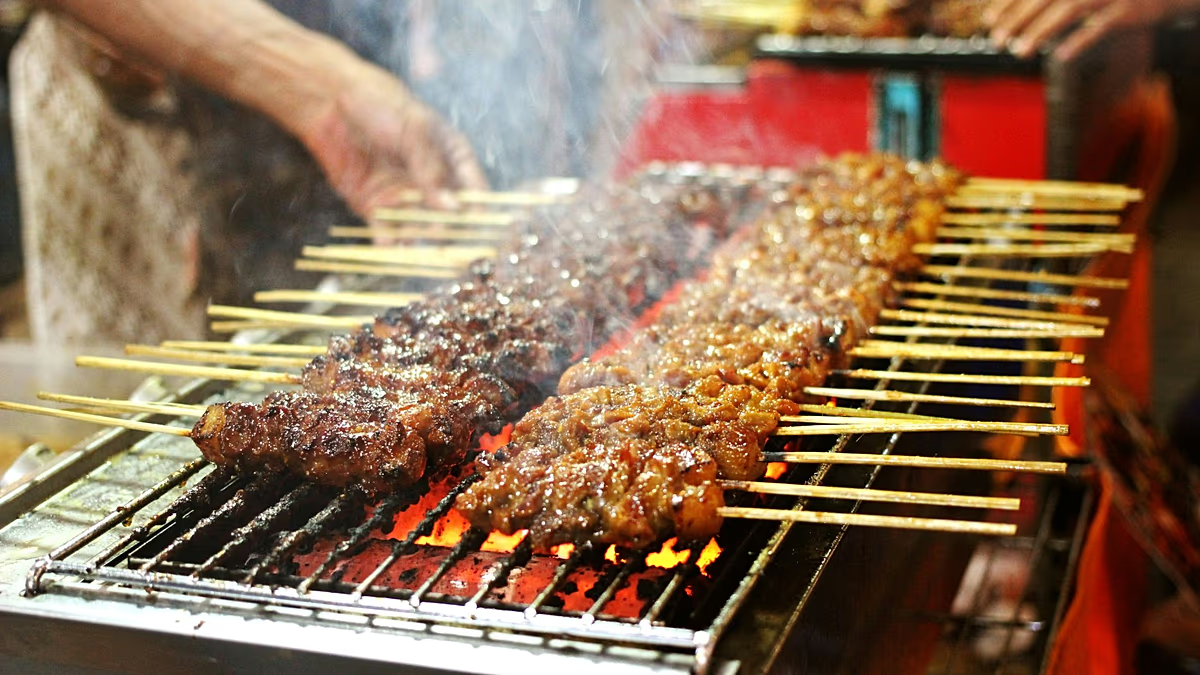
When we close our eyes and conjure up the sights, sounds, and aromas of the ultimate culinary adventure, our minds rarely drift to sterile, white-tablecloth establishments with whispered conversations and overly complex tasting menus. Instead, our hearts pull us to the vibrant, chaotic, and sensory-rich world of street food—where the soul of a culture is laid bare on a paper plate. We immediately think of the sizzle of marinated meats over hot coals, the theatrical toss of noodles in a seasoned wok, and the sweet, dizzying scent of deep-fried dough floating through the air. For generations, certain corners of the globe have held undisputed crown titles in this culinary theater: Hanoi with its steaming bowls of street-side pho, Mexico City with its earthy, lime-kissed tacos, or Palermo with its rich, savory chickpea fritters. These are the destinations where travelers make absolute pilgrimages just to stand on a crowded sidewalk, elbow-to-elbow with locals, wiping grease from their chins and experiencing pure, unpretentious culinary magic. However, the world of travel is always ripe for a shake-up, and a groundbreaking new study has completely challenged our long-held assumptions about where the absolute best street food on Earth resides. It turns out that the undisputed global champion of street food isn’t hidden in a bustling Southeast Asian night market or nestled along a dusty Mesoamerican avenue, but is instead located in a European capital famous for its gilded monuments, luxury boutiques, and haute cuisine.
To uncover this surprising truth, the travel experts at Radical Storage embarked on an ambitious, data-driven quest to analyze the global landscape of quick, accessible bites. Rather than relying purely on subjective opinions or the fleeting trends of social media influencers, the research team conducted a meticulous and comprehensive evaluation of 6,897 street food vendors spread across 100 of the most-visited cities on the planet. To ensure the study reflected the needs of modern, diverse travelers, they looked at much more than just flavor; they established a multi-layered scoring system out of ten, heavily weighting factors that directly impact a hungry traveler’s experience. The single most important factor was vendor density per square kilometer, which accounted for a whopping 30 percent of the final score, because the best street food is the kind that is right there when you need it, saving you from a long, hangry trek across town. Affordable pricing was the next crucial pillar, making up 20 percent of the grade to guarantee that eating on the go remains an egalitarian pleasure. The remaining 50 percent of the score was evenly divided among five key metrics: the sheer number of vendors boasting an elite rating of four stars or higher, the overall average rating from customers, the variety of different cuisines available, and critically, how welcoming the scene is to varying dietary requirements by assessing vegan, vegetarian, and gluten-free accessibility. Furthermore, the study democratized the definition of “street food” itself, recognizing that in the modern era, this culinary art form extends far beyond traditional open-air carts and food trucks to include tiny, casual sit-down establishments that serve up high-speed, soul-satisfying local delicacies with zero fuss.
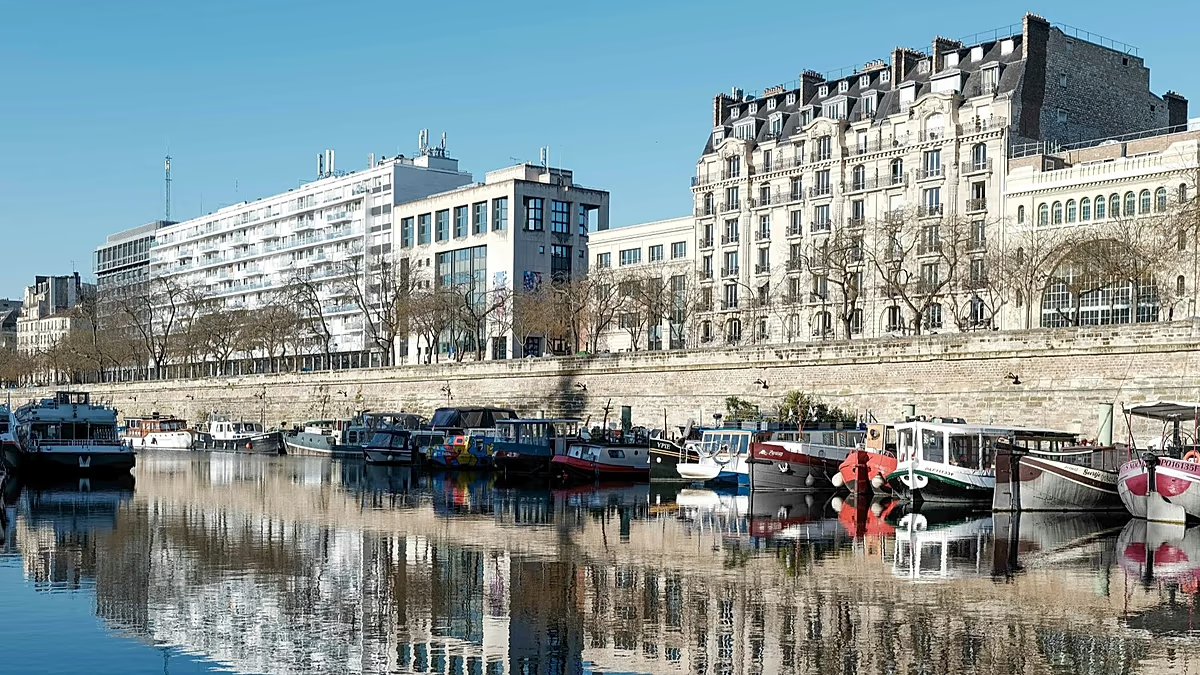
When the numbers were finally crunched, it was Paris, France, that emerged victorious at the very top of the global podium, clinching a remarkable score of 7.2 out of 10. For many, this revelation might seem almost sacrilegious; after all, the City of Light is traditionally celebrated as the birthplace of fine dining, where Michelin-starred dining rooms demand months of planning and dress codes are strictly enforced. Yet, beneath the grand Haussmann-era balconies and the glittering shadow of the Eiffel Tower, a quiet and incredibly vibrant street-level food revolution has been taking place. Paris proved its dominance not through pretension, but through incredible consistency and accessibility, boasting an impressive density of 3.82 street food vendors for every single square kilometer of the city. More impressively, out of the 401 specific eateries analyzed in the French capital, an astounding 69.1 percent received a stellar rating of four stars or higher from everyday diners. This high satisfaction rate is a testament to the fact that Parisian street food is no longer just about catching a quick, warm Nutella crêpe wrapped in wax paper on the banks of the Seine—though that remains an elite travel experience. Today’s Parisian streets offer a stunning tapestry of culinary delights, from the legendary high-piled falafel pita sandwiches tucked into the historic Jewish quarter of Le Marais, to crispy jambon-beurre baguettes from corner boulangeries, to trendy food stalls serving up steaming North African couscous and West African stews that reflect the city’s rich, multicultural identity.
While France proudly took home the gold medal, it was Greece that truly dominated the upper echelons of the list, proving that the ancient Mediterranean diet is still alive, kicking, and incredibly convenient for modern travelers on the move. Coming in a close second place globally was the historic city of Athens, scoring an exceptional 6.9 out of 10. Athens captured the hearts (and stomachs) of researchers due to its sheer culinary diversity, offering 29 distinct types of cuisine, alongside an incredible vendor density of 4.21 food stalls and casual spots per square kilometer, ensuring that a hot, fresh snack is never more than a few blocks away. Not far behind, the harbor city of Thessaloniki secured the third-place spot with a score of 6.1 out of 10, standing out as a paradise for travelers watching their wallets, given that a staggering 77.1 percent of its street food vendors were officially classified as highly budget-friendly. To round out the Greek triumph, the sun-drenched island city of Rhodes claimed the crown for the highest-rated street food on Earth, with a mind-blowing 82 percent of its local vendors holding a customer rating of four stars and above. Walking through these Greek destinations, one is reminded that Greek fast food is a masterclass in culinary simplicity; there are few pleasures in life greater than walking through ancient stone streets while devouring a warm, fluffy pita wrapped tightly around succulent pork gyros, drizzled with cool, garlic-rich tzatziki, and stuffed with crispy French fries.
Moving beyond France and Greece, the top ten list serves as a thrilling, globe-trotting itinerary that highlights how different cultures have adapted the concept of fast, casual eating to fit their local lifestyles and diverse immigrant communities. London, securing a respectable fifth place, was crowned the ultimate champion of culinary variety, offering an incredible 39 distinct international food styles, a direct reflection of the UK capital’s status as one of the world’s greatest cultural melting pots where you can jump from Jamaican jerk chicken to Indian paratha wraps within a single market aisle. Further down the list, cities like Barcelona and Rome reminded us of the eternal appeal of Southern European snacking habits, where grabbing a plate of tapas or a square slice of crispy, Roman-style pizza al taglio is a daily social ritual rather than a mere convenience. Budapest stood tall in ninth place, delighting travelers with its sweet, chimney-cake-scented streets and savory street-side sausages, while Amsterdam rounded out the top ten with its iconic raw herring carts and automated wall-dispensers of hot, crispy croquettes. Surprisingly, Hanoi, Vietnam—long considered by food purists to be the absolute spiritual home of street food—landed in the eighth spot, proving that while its flavors remain legendary, Western European cities have made massive strides in vendor density, sanitation tracking, and catering to modern dietary preferences like veganism and gluten-free dining.
Ultimately, what this fascinating study reveals is that street food is undergoing a beautiful, global evolution that transcends old-school geographical boundaries and cultural stereotypes. No longer is street food confined to a specific aesthetic of smoking coal braziers on dusty tropical roads; it has rightfully claimed its place in the historic, cobblestoned heart of Europe as an art form that is inclusive, diverse, and incredibly high in quality. By valuing factors like vegetarian options, budget friendliness, and physical density alongside pure taste, this new ranking honors the true spirit of street dining—which has always been about feeding the community quickly, affordably, and with immense pride. It encourages us as travelers to look past the conventional guidebooks and the expensive restaurant reservations, reminding us that some of the most memorable, soul-stirring meals of our lives are waiting for us on a humble street corner, served on a paper plate, in cities we might never have expected. So, the next time you find yourself packing your bags for a European getaway, remember to leave some room in your itinerary, step out of the grand museums, follow your nose down a bustling side alley, and prepare to be amazed by the marvelous, democratic magic of modern street food.