



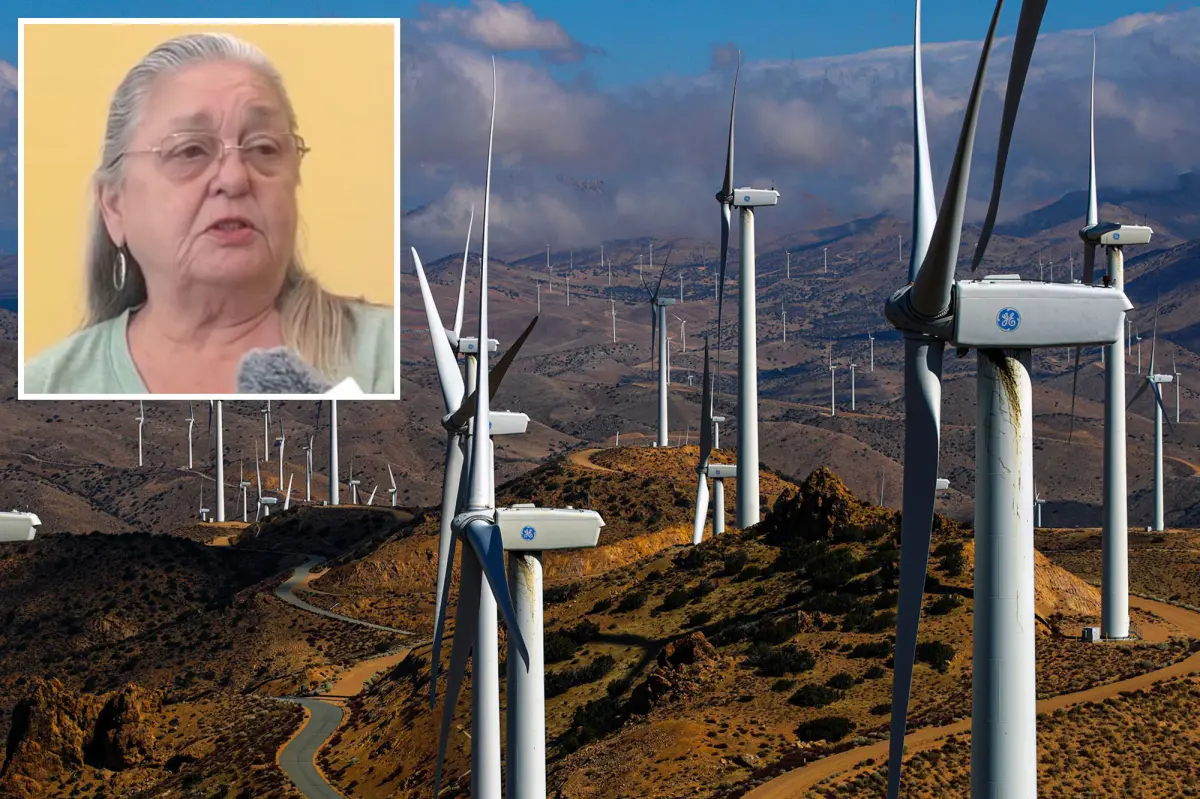
Pacific Gas and Electric (PG&E), a massive utility conglomerate that commands a near-total monopoly over the energy infrastructure powering approximately 16 million residents across 70,000 square miles of Northern and Central California, is once again at the epicenter of a severe public backlash. The source of this mounting community outrage is a recent, controversial regulatory filing in which PG&E petitioned state regulators to approve a rate increase designed to fund a staggering $26.6 million incentive payout directly to its corporate shareholders. To many Californians who are already struggling to weather a relentless storm of inflation, skyrocketing housing prices, and soaring daily living costs, this move is viewed as a stark, tone-deaf demonstration of corporate greed. The human toll of this financial pressure is vividly illustrated by the lives of everyday citizens like Janice Mercado, an Antioch resident who spent an afternoon at a local senior center reflecting on the increasingly impossible math of her survival in a rapidly gentrifying state. Mercado, like many elderly Californians living on rigid, fixed incomes, explained that while PG&E’s rates keep climbing higher with each passing season, her Social Security checks remain stubbornly flat, making the simple act of balancing her monthly household budget an agonizing exercise in sacrifice and compromise. For Mercado and her peers, gathering at community senior centers is no longer just about social connection or passing the time; it has become an essential strategy for economic survival, providing a warm place to spend the day without having to run the thermostat at home or spend money on costly commercial entertainment. When she heard about the proposed shareholder payout, Mercado expressed profound confusion and anger, questioning why the financial benefits of cheap fuel are not simply returned to the hard-working people who actually pay the bills, rather than being diverted to wealthy investors. This emotional and financial strain highlights a growing, systemic chasm between corporate profit models and the fundamental, daily survival needs of everyday Californians who are forced to decide between buying groceries, purchasing prescription medications, or keeping their lights turned on.
From the executive offices of PG&E, however, this proposed rate hike is framed not as an act of corporate exploitation, but as a justified reward for exceptional financial performance and strategic resource management under established state guidelines. The utility giant argues that the requested $26.6 million payment is tied directly to a highly successful natural gas procurement strategy enacted between 2022 and 2023, during which the company’s fuel buyers managed to secure natural gas at prices significantly below volatile market benchmarks. According to PG&E’s official statements, this aggressive and savvy purchasing strategy saved its customer base orchard-loads of cash, amounting to an estimated collective total of $170 million in savings that would have otherwise been spent on more expensive fuel during a period of global energy instability. Under the historical regulatory framework established by the California Public Utilities Commission (CPUC), these performance-based incentives are structured to motivate utility monopolies to hunt for the lowest possible market prices, with the rulebook stipulating that while customers retain the vast majority of these procurement savings, shareholders may receive a financial bonus when expenses fall below designated benchmarks. If state regulators ultimately sign off on the proposal, individual gas customers would see their bills increase by an average of roughly 41 cents per month—a sum that PG&E executives describe as nominal and insignificant, but which consumer advocates emphasize is symbolically and financially offensive to a public that has reached its absolute breaking point. This clash of perspectives exposes a fundamental structural flaw in how public resources are managed, pitting a highly formalized, numbers-driven corporate incentive program against the raw, desperate economic realities of millions of human beings who feel that the system is structurally rigged to prioritize institutional shareholders over captive ratepayers who have no alternative options for their energy needs.
The community’s outrage is not merely a reaction to the dollars and cents of the proposed rate hike; it is deeply rooted in a historical legacy of trauma, corporate negligence, and physical destruction that has defined PG&E’s relationship with its customer base for more than a decade. Janice Henry, another Bay Area resident, captured this collective sense of betrayal by pointing out that the utility company should be actively dropping its rates to offer relief to consumers, rather than funnelling more wealth to institutional investors who already possess immense financial resources and influence. Henry pointedly reminded the public that PG&E’s poorly maintained electrical infrastructure has been legally and historically linked to some of the most catastrophic wildfires in California’s history, disasters that wiped out entire towns like Paradise, claimed dozens of innocent human lives, incinerated family legacies, and destroyed the livelihoods of thousands of people. For many residents, it is a bitter and intolerable irony that while ordinary citizens bore the ultimate physical and emotional consequences of these corporate failures—enduring dangerous public safety power shutoffs, breathing toxic smoke, and paying skyrocketing home insurance premiums—their monthly utility bills are now being used to subsidize the company’s legal liabilities and infrastructure upgrades. Henry voiced a widespread, deeply felt sentiment among Northern Californians who feel that they are being forced to pay the financial penance for a wealthy corporation’s past structural sins, arguing that the public did not fail to maintain the state’s transmission lines or ignore critical equipment inspections. In this emotionally charged landscape, the request for a multimillion-dollar shareholder bonus feels like a profound moral insult to communities that are still actively rebuilding their lives from the literal ashes of disasters caused by the very company demanding more of their money.
This sense of systemic unfairness is strongly echoed by consumer advocacy groups who have fought tirelessly against the utility’s frequent rate hikes before state regulatory boards. Mark Toney, the executive director of The Utility Reform Network (TURN), was particularly scathing in his assessment of PG&E’s current proposal, arguing that the company is effectively seeking a multi-million-dollar tip simply for doing the core job that it is already legally obligated and heavily compensated to perform. Toney pointed out that the primary, foundational duty of any public utility should be to provide safe, reliable energy at the lowest possible cost to the consumer, making the demand for a massive shareholder bonus for keeping fuel costs reasonable appear both manipulative and unnecessary. Furthermore, Toney highlighted a deeply troubling economic asymmetry within the current regulatory system: when PG&E chronically overspends on projects, underestimates construction costs, or fails to manage its infrastructure budgets effectively, the financial burden of those overruns is almost universally passed down to the customers through subsequent rate increases. Yet, when the company manages to spend slightly less than projected or purchase fuel efficiently, it immediately demands that shareholders be rewarded, creating a highly unequal “heads they win, tails we lose” scenario that completely insulates the corporation from financial risk while placing all the vulnerability on the public. By arguing that shareholders must be rewarded for savings while shielded from the consequences of overspending, PG&E reveals a business model that prioritizes investor satisfaction over customer welfare, leaving public advocates to question whether the regulatory system is truly designed to protect the public interest or merely to guarantee profit margins for a protected monopoly.
To fully understand the gravity of the crisis, one must look at the staggering financial extremes that have characterized utility bills in California, dragging middle-class families and small business owners into deep financial distress and turning monthly utility bills into a source of immense anxiety. The average PG&E residential customer currently pays approximately $285 per month for combined gas and electric services, a figure that translates to an annual tax of roughly $3,420 just to maintain a basic modern standard of living in their own homes. However, these averages frequently fail to capture the truly shocking bills received by families living in larger homes or regions with extreme seasonal weather conditions, such as the scorching Central Valley or the freezing Sierra foothills. For example, some Bay Area residents have reported spending an astronomical $9,000 in a single year on PG&E services alone, a crushing sum that rivals the cost of a mortgage, high-end car payments, or premium health insurance. In response to these skyrocketing costs, desperate homeowners are increasingly taking matters into their own hands to escape the utility’s financial grip, with some choosing to invest tens of thousands of dollars in alternative energy solutions. One Fresno homeowner recently made the difficult decision to spend $21,000 on residential rooftop solar panels and a high-capacity backup battery system, not out of any primary environmental crusade, but as an act of absolute financial self-defense against the relentless, unpredictable rate hikes imposed by PG&E. This growing exodus from the traditional grid highlights a deep systemic fracturing, where those who can afford the high upfront costs of solar are actively opting out, potentially leaving lower-income residents and vulnerable seniors to shoulder an even greater share of the utility’s massive fixed operational costs.
Looking toward the future, the financial horizon for Northern and Central Californians appears increasingly grim, with credible projections indicating that the current affordability crisis is only in its opening chapters. The California Public Advocates Office, an independent division within the CPUC dedicated to representing consumer interests, recently released a sobering projection estimating that PG&E’s rates could escalate by as much as $840 annually by the year 2030 compared to current, already elevated levels. Although PG&E has contested these projections and argued that they paint an overly pessimistic picture of future energy costs, the sheer possibility of such significant increases has cast a dark shadow of anxiety over millions of households. As state regulators at the California Public Utilities Commission prepare to deliberate and render their final decision on the shareholder incentive request sometime next year, the outcome will serve as a critical bellwether for the future of utility regulation in the state. The decision will force regulators to confront a fundamental question: should a state-sanctioned monopoly be permitted to treat affordability as an optional, rewardable achievement, or should it be treated as a baseline, non-negotiable human right for the public it serves? For people like Janice Mercado, Janice Henry, and millions of others who are watching their life savings slip away, the verdict will determine whether state government values the financial prosperity of corporate shareholders over the survival of its most vulnerable citizens. This pending decision is about more than just forty-one cents; it is a battle for the soul of public utilities and the right of everyday people to live without fear of being priced out of their own homes by the very monopolies designed to serve them.