


There is a certain magic to a European summer. The mere thought of sun-drenched afternoons, the rhythmic lull of the Mediterranean tide, and the soft sand beneath your toes is enough to make anyone yearn for the coast. However, as millions of eager travelers flock to Europe’s iconic shorelines, the sheer volume of visitors is taking a heavy toll on fragile coastal ecosystems. In response to mounting pressure from overtourism, local authorities across the continent are stepping in with uncharacteristically strict regulations. If you are planning a seaside escape this year, you will want to familiarize yourself with these changing rules. What used to be considered standard beach behavior could now result in hefty fines, confiscation of your belongings, or at the very least, a very awkward encounter with local law enforcement.
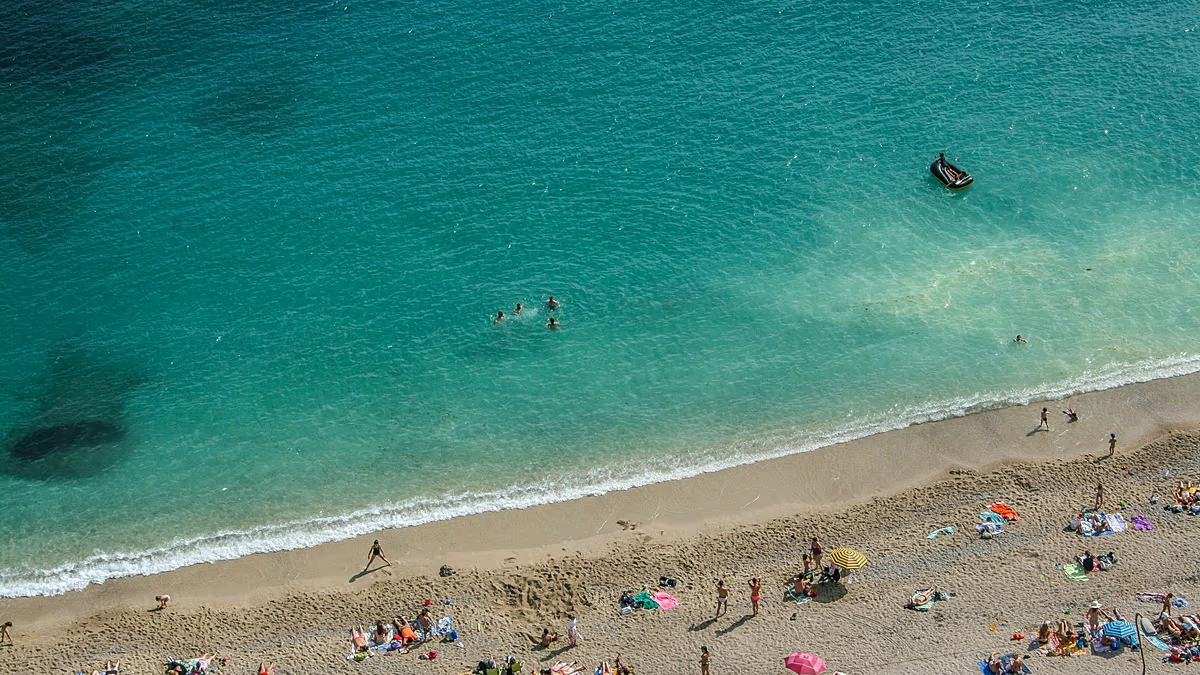
For many of us, packing for a day at the beach involves loading up on gear like pop-up tents, oversized umbrellas, and plush towels. Yet, in many parts of Europe, these comforts are now being heavily restricted to protect the natural landscape. In Sardinia’s breathtaking Punta Molentis, mayors have capped the use of sunshades to just one per family, placed only in designated zones, to prevent the shoreline from being swallowed by a sea of plastic. Nearby, on the famous Pelosa beach, you cannot simply lay your towel on the sand anymore; visitors are required to place specialized mats underneath them to prevent precious sand from being carried away. Meanwhile, Greece has taken an even bolder stance by entirely banning sunbeds, umbrellas, and temporary wooden structures on over 250 of its ecologically sensitive beaches, reclaiming the raw, untouched beauty of its shores.
If you are the type of traveler who wakes up at the crack of dawn to claim the perfect spot on the sand with a towel or a folding chair, you might want to rethink your morning routine, especially in Spain. In the coastal town of Calpe on the Costa Blanca, reserving your real estate before 9:30 AM is strictly forbidden. Early-bird offenders face a steep €250 fine, and municipal workers will happily confiscate your unattended gear, sending it straight to a local police depot. Furthermore, if you leave your setup unattended for more than three hours during the day, you may return to find it entirely gone. The message from local councils is clear: the beach belongs to everyone, and hoarding the best views is no longer tolerated.
The winds of change are also blowing through the air we breathe at the beach, as Europe moves decisively to stamp out smoking on its shorelines. Spain has led the charge, with more than 600 beaches—including popular stretches in Barcelona, San Sebastián, and the Balearic Islands—completely banning cigarettes and vapes. Following suit, France enacted a nationwide ban on lighting up near any bathing waters, backed by a €135 fine. Italy has implemented similar crackdowns across major touristed regions like Veneto and Puglia. Beyond the smoke, authorities are also targeting noise pollution to preserve the peace. If you are heading to Portugal, leave your portable Bluetooth speakers at home. Playing loud music that disturbs others can result in staggering personal fines ranging from €200 to €4,000, and group penalties that can skyrocket to a jaw-dropping €36,000.
Perhaps the most common pitfall for unsuspecting tourists involves what they wear—or rather, what they don’t wear—once they step off the sand. While wandering into a beachside cafe in a bikini or shirtless seems harmless, many historic towns are pushing back against “undressed” tourists walking their streets. In the picturesque Italian town of Sorrento, sporting swimwear in public can cost you a €500 fine, while Portugal’s Albufeira levies fines up to €1,500 for the same offense. From Mallorca and Malaga to the historic streets of Dubrovnik and Split in Croatia, local municipalities are mounting signs to remind visitors that the town center is not an extension of the beach. Even the elegant lakeside town of Varenna on Lake Como and the French Riviera gem of Nice have instituted fines of up to €200 for those walking around bare-chested.
Finally, there are the more unusual regulations designed to maintain hygiene, order, and environmental integrity. In 2022, the Spanish city of Vigo made headlines by introducing a €750 fine for “physiological evacuation” in the sea or on the sand—yes, peeing in the water is officially illegal—and Marbella has recently adopted a similar ban across 25 of its beaches. Animal lovers should also take note: domestic pets and horses are widely banned from most European beaches during the peak summer months to keep the waters clean. And if you happen to be traveling with an elephant, you will want to bypass the French town of Granville in Normandy altogether. Since 2009, a local ordinance has banned these majestic creatures from bathing in the sea after a visiting circus left behind an unfortunate amount of waste in the water. Ultimately, a little awareness of these local laws goes a long way in ensuring your European vacation remains a dream, rather than a bureaucratic nightmare.