

Here is a humanized summary of the article, presented in six paragraphs and keeping to a natural, engaging storytelling style.
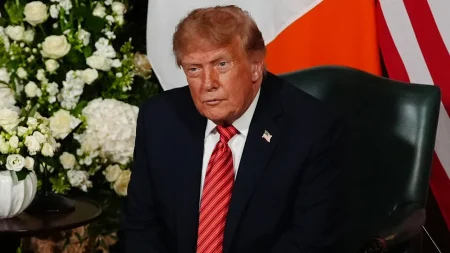
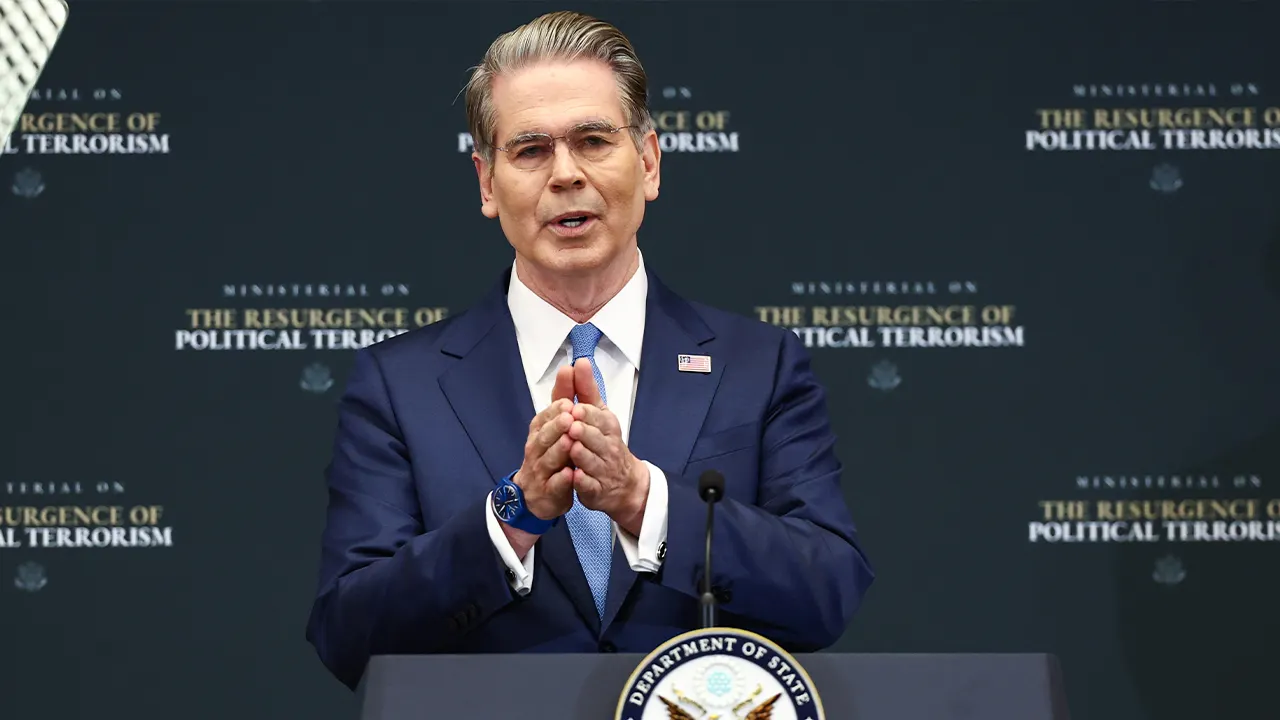
In a moment that shattered any illusion of a smooth transition of power, newly minted Treasury Secretary Scott Bessent revealed a terrifying personal ordeal just hours after taking his oath of office. Speaking before an international audience of diplomats and policymakers, Bessent shared that he had been the target of a chilling assassination attempt carried out by a left-wing extremist. The shocking revelation was not just a personal reflection, but a deliberate effort to sound the alarm on what he describes as a rapidly growing tide of violent political extremism originating from the political left.
Bessent used his powerful platform at the State Department’s Ministerial on the Resurgence of Political Terrorism to forcefully confront critics and media figures who have downplayed the Trump administration’s focus on far-left threats. Visibly passionate, the Treasury Secretary challenged anyone doubting the reality of the danger to look directly at his own experience, pointing to the upcoming judicial sentencing of his attacker as undeniable proof. By reframing a bureaucratic debate into a matter of life and death, Bessent sought to shift the global conversation surrounding contemporary political violence.
The harrowing details of the plot date back to January 27, 2025, when 24-year-old Ryan Michael English traveled from Massachusetts to the nation’s capital with deadly intent. Armed with a folding knife and two makeshift Molotov cocktails, the young man approached a U. S. Capitol Police officer to surrender before he could unleash chaos. Investigators later uncovered that English’s dark mission was fueled by a distorted sense of moral urgency, evidenced by a recovered note that read, “This is terrible but I cant do nothing while nazis kill my sisters”—a stark reminder of how deeply radicalizing online and political rhetoric can become.
According to federal prosecutors, English openly confessed that his primary objective on that cold January day was either to assassinate a high-profile Cabinet nominee awaiting a Senate confirmation vote—who turned out to be Bessent—or to firebomb a prominent Washington think tank. Legal proceedings moved swiftly following the thwarted attack, culminating in March when English pleaded guilty to multiple federal charges, including the unlawful possession of a firearm and carrying a dangerous weapon on Capitol grounds. The troubled perpetrator now awaits his fate behind bars, with his formal sentencing scheduled for mid-August.
The irony of Bessent being targeted by a left-wing extremist lies in his unique and deeply complex professional background, which straddles different political worlds. Before joining the Trump administration, Bessent spent years working closely with George Soros, the billionaire philanthropist and Democratic megadonor who is often vilified by conservative circles. Bessent served as the chief investment officer for Soros Fund Management and even launched his own firm, Key Square Capital Management, with Soros’s financial backing, making him an unconventional figure in a fiercely polarized political landscape.
Bessent’s emotional disclosure served as the focal point for a broader, high-stakes gathering at the State Department, where representatives from approximately 65 countries assembled to address global security. The Trump administration organized the summit to foster international unity and develop coordinated strategies against what it identifies as a dangerous resurgence of violent, far-left political terrorism. By sharing his own near-miss with catastrophe, Bessent succeeded in putting a human face on the abstract threat of political extremism, reminding the world of the fragile line between political disagreement and deadly violence.