


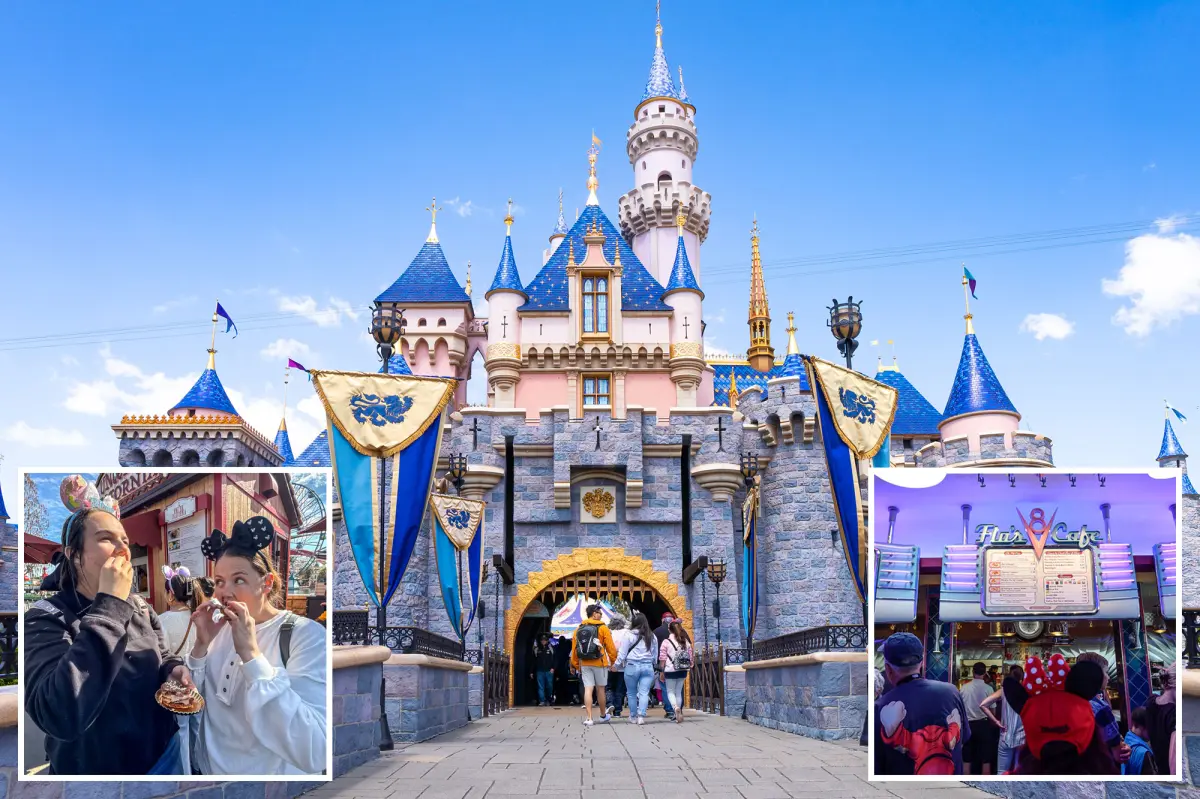
Planning a trip to the happiest place on earth has officially become a much heavier burden on the wallet. In a sudden and quiet move, Disneyland Resort in California recently bumped up the prices of more than 800 menu items across 178 dining locations throughout both of its theme parks and resort hotels. If you are heading out for a day of magic, you will quickly notice that food and beverage costs have jumped by an average of 8%. Cult-favorite treats like Mickey-shaped beignets, warm churros, sweet funnel cakes, and even basic bottles of Dasani water will now cost you more. While some of these adjustments seem small on paper, others are remarkably steep. For instance, quick-service food options bore the brunt of the hikes with a median increase of $1, while alcoholic beverages and cocktails consistently went up by $1 to $2. Even everyday staples like the simple bean and cheese burrito and the classic wedge salad saw eye-watering surges of more than $3 each, making a casual midday sit-down meal feel like a luxury experience.
This quiet menu overhaul adds yet another layer of financial stress to a family vacation that was already pushing many household budgets to their absolute limits. The food price hikes tread closely on the heels of another major financial blow: an $18 price increase on select single-day park admission tickets rolled out just weeks prior. While corporate executives could easily point to post-pandemic global inflation as the main culprit behind these changes, historic data reveals a much different story. Historically, Disney’s price hikes have outpaced the broader national inflation rate by two to three times. This growing financial disconnect has triggered a wave of passionate frustration across social media platforms. On X (formerly Twitter), one disillusioned observer declared that the spiraling costs were a sign that “America is doomed,” while another bluntly stated that “Disney should be ashamed of themselves” for pricing out the average hard-working family.
For a vast number of loyal Disney enthusiasts, the rising cost of theme park food is finally pushing them past their breaking point, forcing them to actively seek out cheaper culinary alternatives. Online forums are buzzing with tips on how to bypass the high prices inside the gates, with one clever park-goer pointing out that there is a budget-friendly Blaze Pizza located just across the street from the main entrance. Other visitors are reluctantly admitting that they have reached the point of packing their own lunches, bringing reusable water bottles, and carrying heavy backpacks full of snacks into the parks just to avoid the food courts. This frustration becomes incredibly clear when you compare today’s prices to those of just a decade ago. Back in 2015, a single-day theme park ticket cost a double-digit price of $99, and a hearty quick-service meal basket at a park eatery typically ran between a reasonable $10 and $13. Today, those same experiences cost a fraction more, turning a nostalgic family trip into a major financial investment.
The real wonder of the modern Disney business model is its incredible ability to maintain a fiercely devoted fan base despite introducing these steep, compounding price increases year after year. Historically, food prices at Disneyland rise by 5% to 8% annually, but these hikes are usually implemented overnight without any prior warning to consumers, catching many vacationers off guard. On Reddit’s active Disney-planning communities, users openly lament the fact that they find themselves paying more and more for their vacations while feeling like they are getting less and less in terms of overall quality, park maintenance, and ride availability. This phenomenon of “extra magical inflation” is prompting even famous Disney fans to search for alternative entertainment. Notable Food Network personality and chef Andrew Gruel publicly voiced his support for the competition, explaining that his own family stopped visiting Disney years ago because Legoland offers a vastly superior experience with high-quality food and much more reasonable prices.
These criticisms are backed up by recent tourism data, which placed Disneyland Park and Disney California Adventure Park in a tie for dead last in a comprehensive national ranking of the most affordable theme parks in the United States. In an apparent effort to win back budget-conscious travelers and boost slipping attendance—which recently dipped 1% year-over-year—Disneyland launched a limited summer promotion featuring discounted $59 evening tickets for entry after 4 p.m. This discount window arrived just as parks noticed lighter weekday crowds and slower seasonal demand, suggesting that even the most loyal Disney fans are starting to push back against the overall cost of the experience. The price hikes are undeniably tough to swallow when looking at the specific math of the increases: simple butter croissants jumped 25% from $4.79 to $5.99, healthy options like Cuties Mandarins rose 25.1% to $2.49, a single espresso increased to $4.49, and a basic chicken Caesar salad jumped over 23% to a hefty $14.79.
Despite the growing public outcry over expensive salads, small coffees, and costly chicken po’boys, Disney’s highly profitable hospitality and experiences division remains an absolute juggernaut. Since the start of the 2024 fiscal year, the division has generated an astronomical $13.91 billion in revenue and is safely on track to reach a staggering $40 billion by the end of the fiscal year. While these latest food and beverage price increases will undoubtedly make a summer trip to southern California much harder to justify for middle-class families, the corporate giant is ultimately betting on its own brand legacy. Disney relies heavily on the assumption that a mix of temporary ticket discounts, beloved intellectual properties, and the nostalgic, emotional promise of its signature theme park experience will continue to draw millions of guests through the turnstiles, regardless of how high the price of a churro rises.