


The Day the Crypto World Stood Still: Reflecting on the Landmark Ripple Ruling and the Battle for Digital Asset Clarity
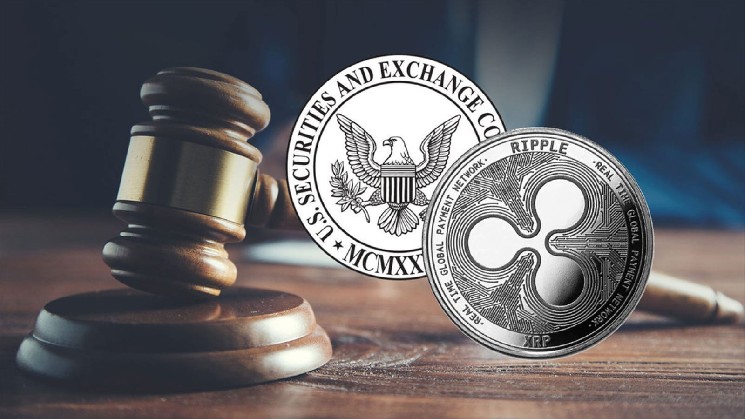
On July 13, 2023, a collective sigh of relief echoed across the global digital asset ecosystem, marking a historic turning point that enthusiasts and market analysts now refer to as “XRP Victory Day.” On this day, Judge Analisa Torres of the U.S. District Court for the Southern District of New York delivered a landmark summary judgment in the high-stakes legal battle of SEC v. Ripple Labs. For nearly three years, the litigation had hung over the industry like a dark cloud, threatening to stifle blockchain innovation within the United States. Judge Torres’s decisive ruling fundamentally reshaped the cryptocurrency regulatory landscape by declaring that XRP, in and of itself, is not a security. This single judicial pronouncement not only vindicated Ripple Labs but also provided a vital legal precedent for an industry desperate for regulatory clarity amidst an aggressive, enforcement-first approach by federal regulators.
The roots of this legal warfare trace back to December 2020, when the U.S. Securities and Exchange Commission (SEC) launched a massive lawsuit against Ripple Labs and its top executives. The agency sought to classify all sales of XRP—a prominent digital asset used heavily for cross-border payments—as unregistered investment contracts. This aggressive stance threatened to pull virtually all liquid cryptocurrencies into the SEC’s regulatory net, potentially paralyzing the domestic digital economy. However, Judge Torres’s final ruling rejected this sweeping classification by meticulously applying the decades-old Howey Test—the legal framework used to determine what constitutes an investment contract—to the modern phenomenon of digital assets. In doing so, the court drew a sharp, sophisticated distinction between different types of transactions, establishing that the medium of exchange itself does not carry inherent security status.
                     ┌────────────────────────────────────────┐
                     │       U.S. DISTRICT COURT RULING       │
                     │          (Judge Analisa Torres)        │
                     └───────────────────┬────────────────────┘
                                         │
                  ┌──────────────────────┴──────────────────────┐
                  ▼                                             ▼
    ┌───────────────────────────┐                 ┌───────────────────────────┐
    │    PROGRAMMATIC SALES     │                 │    INSTITUTIONAL SALES    │
    │    (To Retail Buyers)     │                 │   (Direct to Institutions)│
    ├───────────────────────────┤                 ├───────────────────────────┤
    │ • Blind bid-ask exchanges │                 │ • Sales totaled $728M     │
    │ • Identity of seller      │                 │ • Direct contracts with   │
    │   was unknown to buyers   │                 │   Ripple Labs             │
    │ • Failed Howey Test       │                 │ • Satisfied Howey Test    │
    ├───────────────────────────┤                 ├───────────────────────────┤
    │    NOT A SECURITY SALE    │                 │  UNREGISTERED SECURITIES  │
    └───────────────────────────┘                 └───────────────────────────┘
The heart of the summary judgment rested on how these digital assets were distributed to the public. Judge Torres ruled that Ripple’s programmatic sales of XRP on public digital asset exchanges did not constitute the sale of securities. The court concluded that retail buyers purchasing tokens on secondary markets through blind bid-ask auctions had no way of knowing their funds were going directly to Ripple Labs. Because these transactions lacked a direct connection to the issuer, retail buyers could not have possessed a reasonable expectation of profits derived solely from the entrepreneurial or managerial efforts of Ripple. This crucial finding meant that programmatic sales failed a core prong of the Howey Test. Conversely, the court sided with the SEC regarding direct institutional sales, ruling that Ripple’s $728 million in direct token sales to sophisticated institutional players did constitute unregistered securities offerings, as these market actors knew they were purchasing directly from the source.
Beyond the dry legal text lies a dramatic human story of survival against overwhelming odds, as Ripple’s leadership recently revealed just how close the company came to complete collapse. In newly surfaced statements, Ripple CEO Brad Garlinghouse and Chief Technology Officer David Schwartz admitted that the immense weight of the federal government nearly forced them to throw in the towel. “We almost decided to shut down the company when the SEC sued us,” Garlinghouse confessed, recalling the psychological toll of facing an adversary with infinite taxpayer funding and regulatory power. Schwartz added that their own legal counsel, recognizing the historic lack of success entities faced when fighting federal regulators, initially advised them to prepare for a wind-down. The sheer financial and operational pressure of defending a multi-billion-dollar enterprise against the state highlights the profound high-stakes nature of this judicial standoff.
| Transaction Type | Legal Classification | SEC Position | Court Ruling |
|---|---|---|---|
| Programmatic Sales (Retail) | Non-Investment Contract | Unregistered Security | Not a Security Sale |
| Secondary Market Trading | Non-Investment Contract | Unregistered Security | Not a Security Sale |
| Direct Institutional Sales | Unregistered Security Offering | Unregistered Security | SEC Victory ($728M) |
Three years later, the ripples of this decision continue to shape the broader financial technology sector. By distinguishing between the asset itself and the manner in which it is sold, the court provided a legal blueprint that other Web3 projects, exchanges, and lawyers now use to defend against aggressive regulatory overreach. It proved that the cryptocurrency industry could successfully challenge the status quo in a court of law, establishing boundaries that regulators cannot easily cross without explicit legislative mandates from Congress. While the SEC continues to pursue enforcement-heavy tactics against other major digital asset platforms, the precedent set on XRP Victory Day stands as an blockading wall, preserving the rights of retail investors to participate in open, decentralized markets.
As the digital asset landscape matures, the Ripple ruling remains a foundational pillar for future regulatory frameworks worldwide. It has encouraged lawmakers in Washington and other global financial hubs to draft clearer, more tailored legislation that recognizes the unique utility of utility tokens, rather than forcing them into century-old legal boxes. For Ripple Labs, surviving this near-death experience has transformed the company from a embattled startup into a resilient institutional powerhouse, driving faster adoption of blockchain-based payment rails globally. Ultimately, July 13 is remembered not just as a victory for a single token, but as the day the digital asset economy secured its right to exist, innovate, and thrive on American soil.