


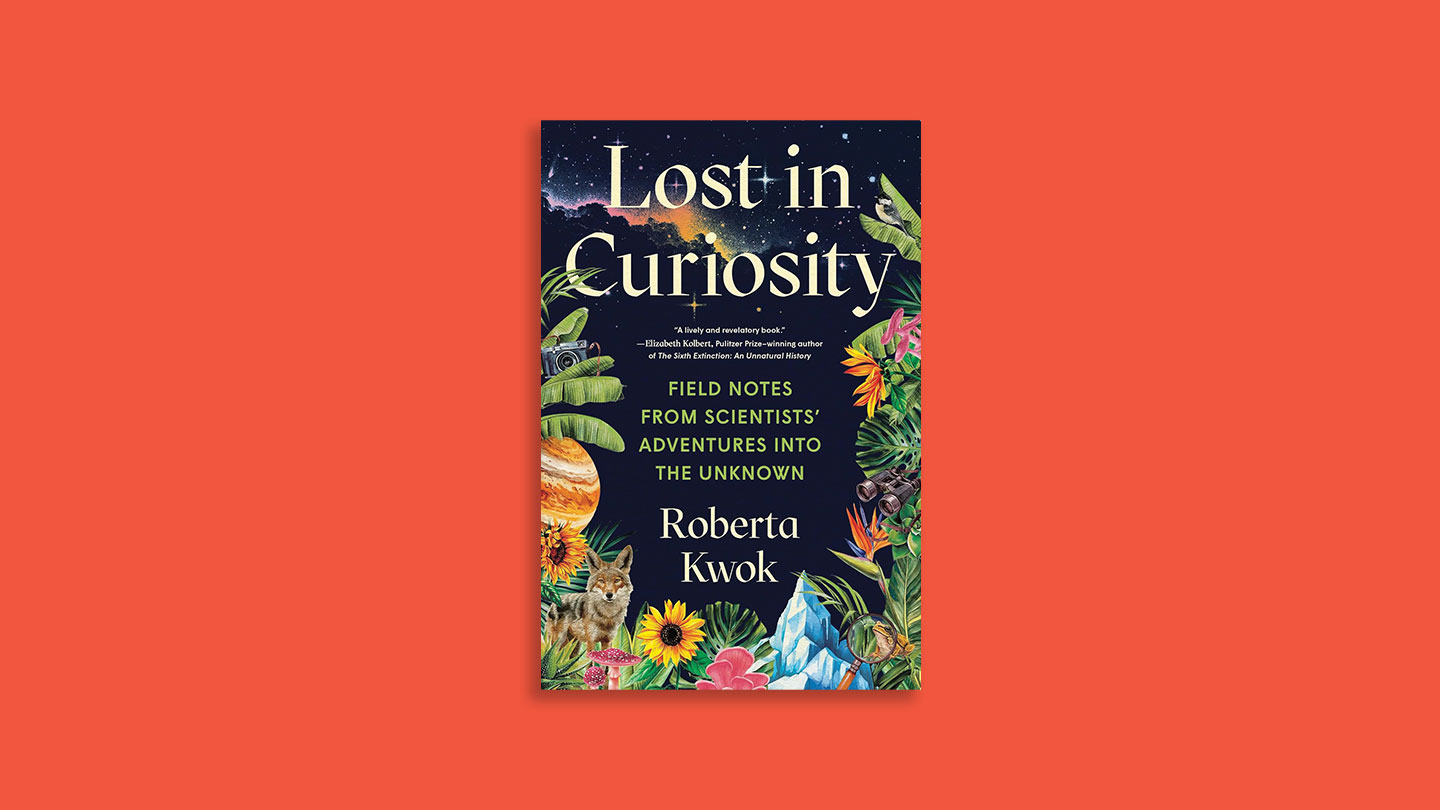
Earning my Ph.D. was easily the most grueling experience of my life, and I will never forget the exact moment I first wanted to pack my bags and walk away. As a fresh-eyed, first-year graduate student at the University of Chicago, I was navigating a highly sophisticated, incredibly expensive microscope to capture images of my nanomaterial. In a split second of clumsy positioning, I accidentally rammed the sample directly into the instrument’s $10,000 detector. Heartbroken and terrified, I spent the next hour locked in a bathroom stall, crying through a tearful haze while desperately scrolling on eBay to see if I could somehow buy a replacement part on a student budget. Fortunately, the microscope survived the impact unscathed, but that gut-wrenching dread was merely the prologue to a series of inevitable experimental failures, scientific dead ends, and equipment panics that characterized my short-lived research career. This raw, unvarnished side of research—the anxiety, the mistakes, and the sheer bad luck—is precisely the heart of science journalist Roberta Kwok’s debut book, Lost in Curiosity, which strips away the polished veneer of pristine academic discoveries to reveal the messy, human reality of the scientific process.
By bringing these overlooked struggles to light, Kwok intentionally corrects the idealized, glossy narrative of science that the public so often consumes. She begins her journey alongside glaciologists seeking to measure melting ice sheets in Greenland, illustrating how a years-long endeavor can be utterly derailed by an unpredictable cocktail of atrocious weather, bureaucratic helicopter booking errors, and the global disruption of a pandemic. The resulting narrative is as heartbreaking as it is humorous, oscillating between thrilling triumphs and deeply painful setbacks that will make readers laugh, cry, and cringe in empathy. For those who watch science from the sidelines, the book dismantles the outdated trope of the solitary, hyper-efficient genius working effortlessly in a vacuum. Instead, Kwok reveals that scientific progress is a collaborative, remarkably chaotic team sport where researchers are routinely “lost” in a literal sense—struggling to decipher ambiguous data, weeping over broken apparatuses, and constantly scrambling to engineer a modern-day plan B.
The diversity of the research featured in the book is beautifully expansive, offering readers an intimate look at the wildly different questions American scientists are currently chasing. Kwok introduces us to biologists studying how historical, systemic housing discrimination—commonly known as redlining—continues to shape urban biodiversity today, physicists unlocking the complex and nonrandom mathematics behind how materials crumple, and astronomers locked in a high-stakes cosmic race to detect the universe’s very first exomoon. Despite working in vastly different disciplines, these researchers are all united by a shared daily reality of ambiguous conclusions, tight budgets, and logistical nightmares that range from the hilariously mundane to the spectacularly grand. By humanizing these fields, Kwok makes it incredibly easy to fall in love with the quirky, passionate characters who have dedicated their lives to expanding human knowledge, helping us understand that nature does not surrender its deepest, most coveted secrets without a fight.
However, while the book excels at crafting engaging, deeply empathetic portraits of these scientists, it occasionally stumbles by refusing to take a definitive, systemic stand. Because there is no strong, unifying argumentative thread running from one chapter to the exact next, readers are largely left to stitch together their own deeper meaning from each grueling anecdote. Without a centralized thesis or a clear set of takeaways, the book can sometimes feel like a pleasant, leisurely stroll through the halls of academia rather than an urgent, purposeful expedition toward a specific intellectual destination. By presenting these stories as isolated acts of individual perseverance, the narrative occasionally misses an opportunity to critique the precarious, high-pressure systemic structures that make the scientific career track so punishingly difficult for young researchers in the first place.
This aversion to systemic critique is particularly jarring when it comes to the book’s apolitical tone, especially in an era where scientific research is deeply, inescapably entangled with raw political power. Since the transition to the current U.S. presidential administration, we have witnessed severe federal funding cuts, the erosion of institutional independence, and a painful rise in state-sponsored misinformation that actively dismisses established scientific consensus. Science is already monumentally difficult under perfect conditions, leaving one to wonder how the very researchers Kwok profiles are navigating this hostile landscape—whether they are silently suffering from canceled federal grants, the quiet deletion of climate data from public servers, or sudden institutional layoffs. By stepping around these contemporary political realities, the narrative occasionally feels like it is operating in a protective, historical bubble rather than addressing the immediate existential crises threatening modern labs.
Yet, despite these narrative omissions, the sheer resilience of the scientists Kwok profiles shines through her writing, offering a much-needed beacon of hope in a cynical world. These are the people she affectionately describes as the “Energizer Bunnies,” the generational problem solvers, and the relentless seekers of environmental and social justice who simply refuse to stop asking questions, no matter how hard the wind blows against them. In one incredibly poignant exchange, when Kwok asks a coastal engineer how they manage to maintain their optimism while studying the devastating, slow-motion catastrophe of climate change, the engineer offers a powerful truth: “I don’t think we’re completely screwed yet. I think if we start thinking that we’re too late, then we have lost.” It is this stubborn, beautiful refusal to surrender that defines the scientific spirit, reminding us that curiosity is not just a luxury, but our most vital tool for survival.