



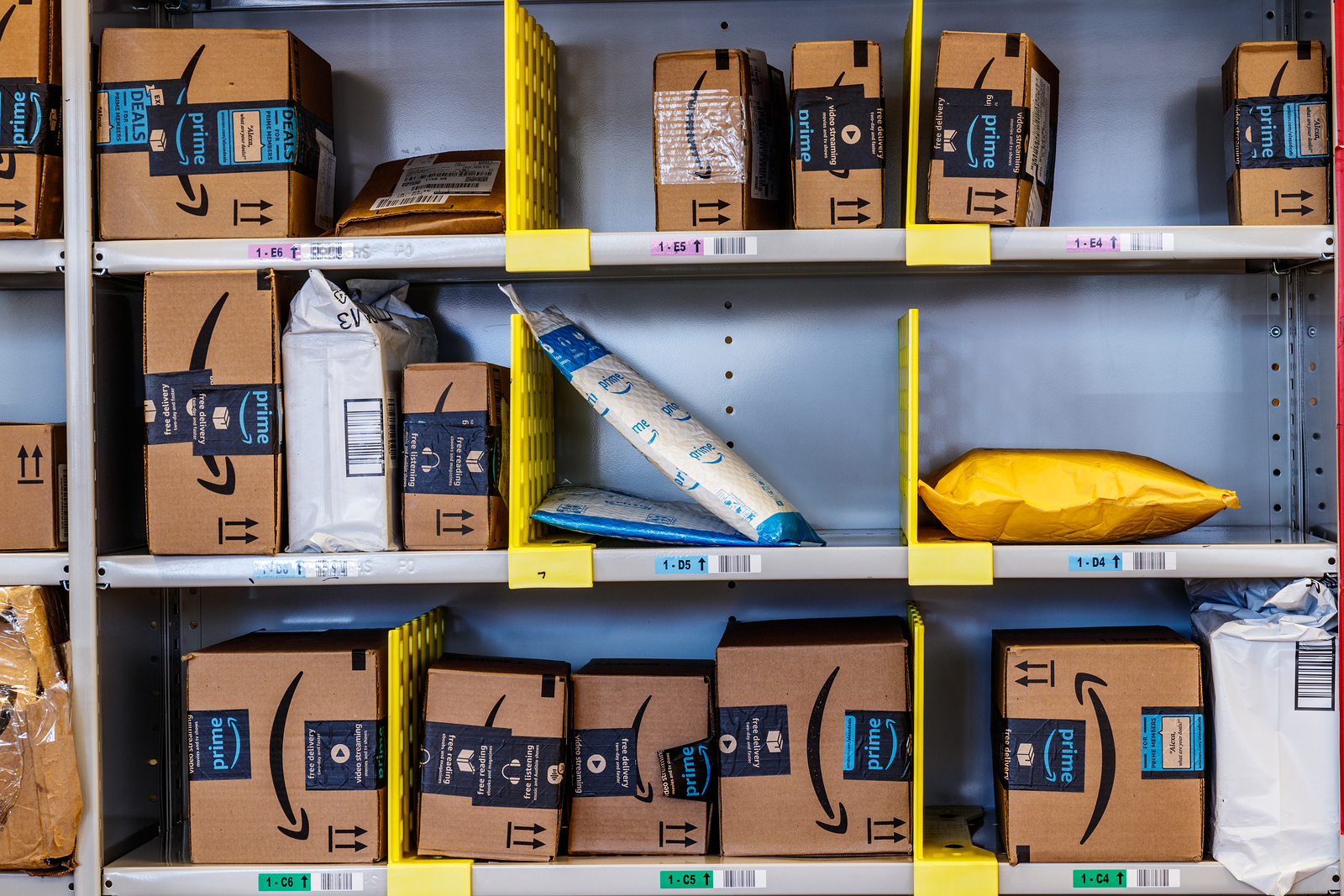
The midsummer frenzy of Amazon’s four-day Prime Day bonanza has long served as a reliable bellwether for the health of global retail, but the latest record-shattering $26.4 billion shopping event revealed a quiet, tectonic shift in how humans choose to spend their money online. For the first time, the shoppers most likely to click “buy” were not those lured in by flashy social media campaigns, persistent email newsletters, or even traditional search engines. Instead, the ultimate conversion engine of the modern e-commerce landscape came in the form of conversational artificial intelligence. According to data released by Adobe, visitors who arrived at retail sites via AI assistants like ChatGPT, Claude, and Gemini were a staggering 40% more likely to complete a purchase than those arriving through conventional digital pathways. This is a dramatic departure from the early days of generative AI, when bot-assisted shoppers were notoriously indecisive window-shoppers. Today, these conversational tools have evolved into highly sophisticated, deeply trusted personal advisors that help human beings conquer decision fatigue, cut through product specification noise, and proceed to checkout with an unprecedented level of confidence.
This profound behavioral shift has ignited an intense, high-stakes philosophical war of attrition across Silicon Valley, with Amazon standing as a lonely, heavily fortified island against the rising tide of external AI agents. While competing retail giants like Walmart and Target have eagerly opened their vast digital catalogs to outside AI search engines—hoping to capture whatever traffic these new digital concierges might throw their way—Amazon has taken a radically different, fiercely defensive posture. Data from J.P. Morgan reveals that agentic AI currently drives less than 1% of traffic across all major online storefronts, but Amazon’s share is the absolute lowest of the group at a microscopic 0.4%. This is not an accident of technology, but a deliberate corporate strategy of isolation. Amazon is deeply uncomfortable with the idea of a third-party algorithm standing between its storefront and its customers. Consequently, the world’s largest online marketplace is actively fighting to keep external AI engines out of its ecosystem, striving to force consumers to search, browse, and buy exclusively through Amazon’s own proprietary architecture.
This protectionist strategy has manifested in a series of aggressive legal and analytical maneuvers designed to keep independent AI developers at bay. Most notably, Amazon launched a high-profile lawsuit against the AI-powered search engine Perplexity, eventually securing a preliminary injunction that legally barred the startup’s digital shopping agents from accessing logged-in areas of the Amazon platform. Amazon passionately argued that these unauthorized, automated agents degrade the trusted consumer experience by scraping sensitive data and presenting inaccurate information. Similarly, the e-commerce giant has blocked OpenAI’s web crawlers from reading its product listings. Yet, in a fascinating display of corporate pragmatism, Amazon is simultaneously playing a double game: even as it bars ChatGPT from indexing its site, it has quietly begun purchasing targeted advertisements inside ChatGPT’s conversational interface to pull curious users back onto Amazon’s platform. During a recent earnings call, Amazon CEO Andy Jassy acknowledged these ongoing tensions, noting that while the company is negotiating with major AI developers to build a mutually beneficial bridge, the current crop of external agents simply lacks the nuance, personal history, and pricing accuracy required to deliver a truly seamless shopping experience.
Rather than surrendering the front-row relationship with its customers to external tech firms, Amazon is throwing its immense resources behind its own in-house digital concierge. Originally launched under the playful moniker Rufus, Amazon’s integrated shopping AI has since been consolidated into a more comprehensive, flagship ecosystem known as Alexa for Shopping. The gamble appears to be paying off spectacularly. The native assistant has already attracted over 250 million users, with monthly active engagement skyrocketing by more than 115% over the past year. Because this proprietary bot lives directly within Amazon’s walled garden, it possesses an intimate, holistic understanding of each customer’s past purchases, sizing preferences, and direct feedback—a goldmine of personal data that external chatbots cannot leverage. When shoppers engage with this in-house helper, they are 60% more likely to make a purchase, a metric that helped Amazon Web Services drive nearly $12 billion in incremental sales last year alone. In Jassy’s estimation, the winner of the AI retail wars will ultimately be the assistant that knows the human user best, and Amazon wants to ensure its internal companion remains the most knowledgeable shopping partner on the planet.
Beyond the philosophical debate over who owns the customer relationship lies a cold, multi-billion-dollar financial reality: Amazon’s immensely profitable advertising empire is facing an existential threat. Over the past decade, Amazon has quieted its critics by transforming its simple search bar into one of the most profitable advertising billboards in human history, with J.P. Morgan estimating that the company’s retail media ad revenue will reach a staggering $83 billion this year. Because the profit margins on these digital advertisements are exceptionally high, they are expected to account for roughly one-third of Amazon’s entire operating income. This golden goose rely entirely on the traditional human habit of manually typing queries into Amazon.com and scroll through pages of “sponsored” product listings. If consumers begin outsourcing their shopping inquiries to external AI chatbots that deliver a single, objective recommendation without displaying Amazon’s paid banners and sponsored products, the company’s lucrative advertising pipeline could be rendered entirely obsolete overnight, threatening the financial foundation of the entire enterprise.
Ultimately, this struggle points to a fascinating, unresolved question about the future of human commerce: will we continue to enjoy the sensory, visual journey of digital window-shopping, or will we gladly forfeit our agency to automated silicon representatives? As the dust settles on another historic Prime Day, the battle lines are clearly drawn between an open internet where independent bots roam free, and a closed, highly curated garden where corporations dictate the entire consumer experience. Amazon’s strategy is a massive, carefully calculated bet that it can maintain its status as the absolute starting point for all consumer journeys, resisting the temptation to become just another silent fulfillment warehouse buried deep in the technical architecture of someone else’s AI. In this rapidly approaching future of automated retail, the ultimate victory won’t belong to the merchant with the fastest delivery trucks or the lowest prices, but to the company that commands the digital mind whispering recommendations directly into the consumer’s ear.