

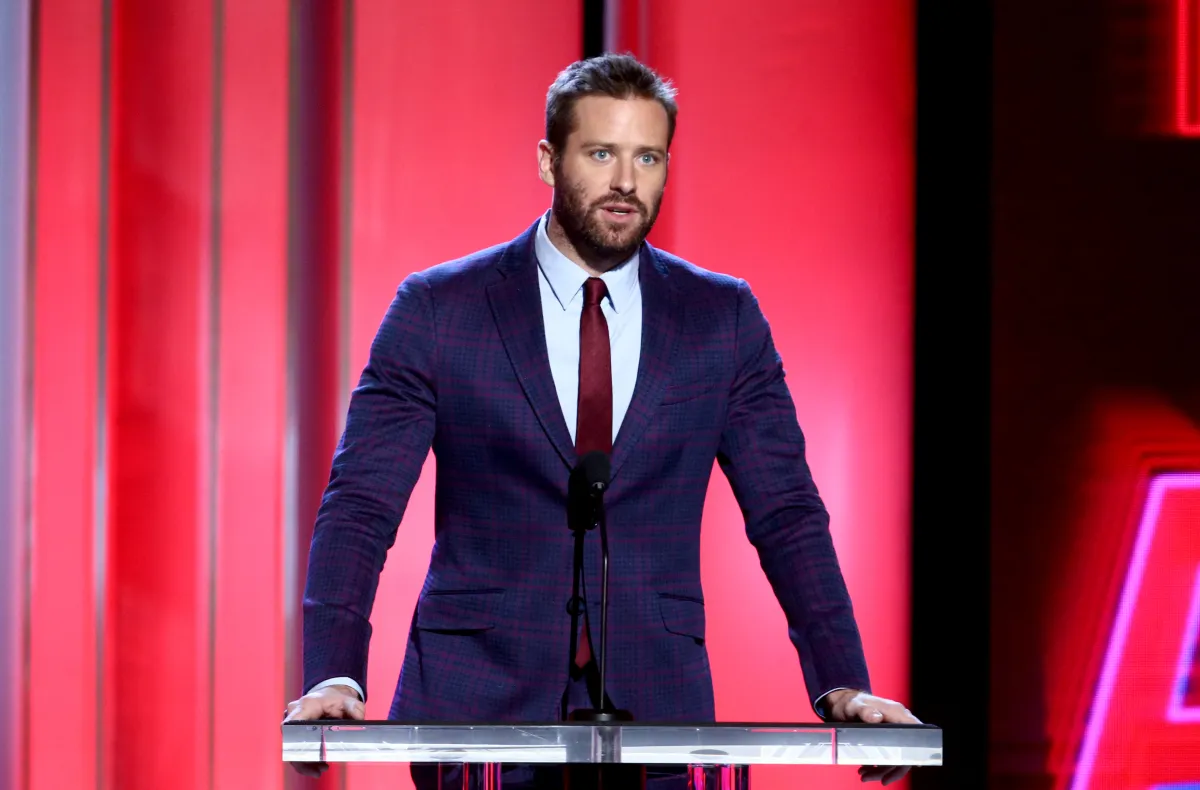
The contemporary digital entertainment landscape experienced a seismic and highly unexpected event recently, as the independent, German-produced action thriller Citizen Vigilante surged past mainstream blockbuster competitors to secure the coveted number one spot on the United States Amazon movie purchase charts. Directed by the famously provocative and historically confrontational German filmmaker Uwe Boll, this intense cinematic offering marks a significant moment in modern media distribution, challenging traditional expectations of what kinds of films can achieve mainstream commercial success in the digital age. The thriller introduces audiences to actor Armie Hammer in his first major leading role in several years, casting him as a wealthy, deeply disillusioned American businessman residing in Europe who, pushed to his absolute emotional limit by systemic failures, devolves into a feared, cold-blooded vigilante who systematically targets violent criminals, rapists, and corrupt judicial figures. The film’s sudden and dramatic rise to the top of a major digital retail platform highlights a fascinating, if highly contentious, evolutionary shift in how global audiences seek out and consume polarizing media today. In an era where traditional Hollywood studios remain intensely risk-averse and highly sensitive to public relations backlash, the modern direct-to-consumer digital marketplace operates on an entirely different set of rules, where algorithmic momentum, organic viral curiosity, and a general fascination with forbidden media can easily bypass standard industry gatekeepers. By allowing a low-budget, independently produced international film to achieve overnight commercial dominance, platforms like Amazon have democratized viewer access in a way that allows highly provocative cinema to directly compete with corporate studio output, proving that the public’s appetite for transgression remains incredibly potent even when the narrative itself is designed to make viewers deeply uncomfortable.
Beneath the surface of this surprising commercial triumph, however, lies a deep well of polarizing controversy that has ignited fierce debates across international film communities and social media platforms alike, primarily centered on the movie’s extreme depiction of graphic violence and its highly charged political themes. Citizen Vigilante has drawn severe condemnation from critics and human rights advocates who argue that the film serves as a vehicle for highly reactionary, anti-immigration ideology, crystallized in a particularly shocking sequence that has recently circulated widely across various online spaces. In this highly controversial scene, Hammer’s vengeful protagonist is shown hunting down and brutally shooting several members of a migrant family in what the screenplay positions as a righteous act of retribution for an alleged sexual assault. This narrative choice has been widely criticized for irresponsibly exploiting real-world social anxieties and stoking xenophobic sentiments under the guise of pulp entertainment. The backlash against the film’s provocative content has not been confined to written criticism; German film classification authorities took the extraordinary step of refusing to grant Citizen Vigilante an official age rating, a decision that functions as a de facto ban within Germany, making it legally impossible to market, self-promote, or screen the movie in commercial theaters across its own country of origin. This severe institutional intervention highlights the delicate, often precarious boundary between artistic freedom and the propagation of socially divisive narratives, placing the project directly at the center of a much larger, ongoing cultural war regarding representation, violence, and migration in Western media. This regulatory pushback in Germany has sparked secondary debates among free-speech advocates, who argue that while the content may indeed be highly offensive, government-adjacent boards refusing a rating sets a troubling precedent for artistic suppression.
For the film’s star, the thirty-nine-year-old Armie Hammer, this high-stakes project represents far more than just a typical acting gig; it is a raw, highly complicated, and deeply personal attempt to rebuild a career that fell apart in spectacular fashion several years ago. Once heralded as one of Hollywood’s most promising and charismatic leading men—celebrated for his performances in critically acclaimed films like The Social Network and his Oscar-nominated vehicle Call Me by Your Name—Hammer’s pristine public image and professional trajectory completely imploded in 2021 following a series of shocking, highly publicized allegations of sexual abuse, emotional manipulation, and coercive behavior. Although Hammer vigorously denied all accusations of non-consensual misconduct, and a thorough investigation by the Los Angeles District Attorney ultimately concluded that there was insufficient evidence to file criminal charges against him, the social and professional damage was already absolute. He was swiftly dropped by his talent agency, removed from major upcoming studio projects, and effectively blacklisted from the mainstream entertainment industry, forcing him into a prolonged period of public exile and quiet reflection. His decision to return to the screen through a raw, independently produced foreign thriller directed by a notorious industry outsider signals a calculated shift away from the traditional, highly managed Hollywood redemption narrative. By choosing a role that leans directly into darkness, moral ambiguity, and violence, Hammer seems to be embracing a new era of his professional life—one that bypasses the need for corporate validation and instead seeks a pathway forward through transgressive, unfiltered storytelling that appeals to audiences who are less concerned with a celebrity’s personal controversies than they are with raw, boundary-pushing cinema. During his years away from the spotlight, Hammer was reportedly spotted working in various non-industry jobs in the Cayman Islands, a stark and humbling contrast to the glamorous lifestyles of Hollywood’s elite, which humanizes a fall from grace that was as sudden as it was severe.
The creative partnership between Armie Hammer and director Uwe Boll is itself a fascinating study in cinematic defiance, combining the talents of two men who have both, in very different ways, found themselves cast out of the traditional Hollywood power structure. Uwe Boll has long cultivated a reputation as a belligerent, uncompromising provocateur of international cinema, famously known in the early 2000s for directing highly criticized video game adaptations and for literally challenging his harshest film critics to public boxing matches as a form of confrontational PR. Boll’s filmography is defined by a fierce independence, a flagrant disregard for conventional cinematic taste, and a persistent desire to engage with highly controversial, politically sensitive subject matter without the protective filter of corporate oversight. In casting Hammer, Boll capitalizes on the actor’s real-world notoriety, utilizing his highly publicized fall from grace to add an extra layer of psychological tension and metatextual grimness to the character of the wealthy, broken American businessman. This collaboration is born out of a shared status as industry outlaws, creating a unique, hyper-intense creative energy where both the director and the star have very little left to lose. Operating entirely outside the constraints of the major American studios allows Boll to execute his uncompromising, often shocking artistic vision without having to tone down the violence or sanitize the film’s highly controversial political undertones for general audiences. For viewers who have grown increasingly weary of the safe, formulaic, and focus-grouped entertainment options offered by major streaming services, the unvarnished, rebellious spirit of a Boll-Hammer collaboration offers a chaotic but undeniably fascinating alternative that thrives on its own infamy. By bringing this same bleak, uncompromising directorial style to Citizen Vigilante, Boll provides Hammer with a canvas that is entirely devoid of the polished, status-quo-affirming narratives typical of modern blockbusters, constructing instead a raw, visceral experience that forces the audience to confront uncomfortable truths about anger, grief, and the desire for vengeance.
The sudden, overwhelming popularity of Citizen Vigilante also forces a difficult and highly necessary conversation about the enduring psychological appeal of the vigilante film genre and what its contemporary resurgence reveals about the collective anxieties of the modern Western populace. Historically, cinematic stories about regular individuals taking the law into their own hands—ranging from classic mid-century thrillers like Death Wish and Dirty Harry to more modern psychological character studies like Taxi Driver—have found their most enthusiastic audiences during periods of rapid social transformation, economic instability, and widespread public distrust in institutional authority. These narratives offer viewers a powerful, albeit highly simplified, form of catharsis, depicting a world where complex, slow-moving systemic crises can be solved quickly, decisively, and visually through singular acts of direct, physical violence. However, when these traditional cinematic tropes are deliberately overlaid with immediate, highly polarized political anxieties, such as immigration, national borders, and demographic shifts, the fine line between harmless cinematic escapism and dangerous political propaganda becomes incredibly thin. By framing the protagonist’s violent crusade against a migrant family as a justifiable, protective response to crime, Citizen Vigilante directly taps into deep-seated societal fears, reflecting a growing global trend toward populism, protective isolationism, and a profound, pervasive skepticism toward the capability of democratic legal systems to protect their citizens or enforce true justice. For many viewers, the appeal of seeing an actor like Hammer play a flawed savior is rooted in a shared societal frustration with a justice system that often feels slow, transactional, and disconnected from the everyday experiences of ordinary people. The film exploits this frustration, offering a fantasy of absolute moral clarity where bad people are easily identified and immediately punished, free from the bureaucratic delays and legal technicalities of the real world, raising urgent ethical questions about the responsibility of filmmakers when crafting narratives that target specific communities.
Ultimately, the chart-topping journey of Citizen Vigilante on Amazon serves as a critical case study at the intersection of modern celebrity culture, decentralized digital distribution, and the highly lucrative economy of outrage in the twenty-first century. The film’s commercial success demonstrates that in our highly fragmented, algorithm-driven media ecosystem, an institutional ban, a lack of mainstream marketing, or a past public scandal is no longer a definitive death sentence for a creative project or an actor’s career; instead, controversy itself has evolved into one of the most powerful and effective promotional tools available in the digital marketplace. As curious audiences continue to purchase, stream, and debate the merits of this highly volatile and aggressive film, the global entertainment industry is being forced to confront incredibly difficult questions regarding the ethics of content distribution, the irrepressible nature of canceled talent, and the public’s seemingly insatiable appetite for transgressive narratives. Whether Citizen Vigilante will ultimately be remembered as a fleeting, internet-fueled curiosity or as the opening salvo of a new wave of politically disruptive, direct-to-consumer genre cinema remains to be seen. What is absolutely undeniable, however, is that the traditional structures that once dictated what can be made, who is allowed to perform, and how art is delivered to the public have been permanently shattered, leaving us to navigate a brave new world of entertainment where the most controversial, boundary-pushing stories are always just a single click away from dominating our screens. This shift challenges the very concept of societal consensus on morals and ethics in entertainment, proving that in a hyper-connected world, there will always be an audience willing to watch, a platform willing to sell, and an artist willing to provoke, ensuring that the battle over the soul of popular cinema will remain as volatile and unpredictable as ever.