




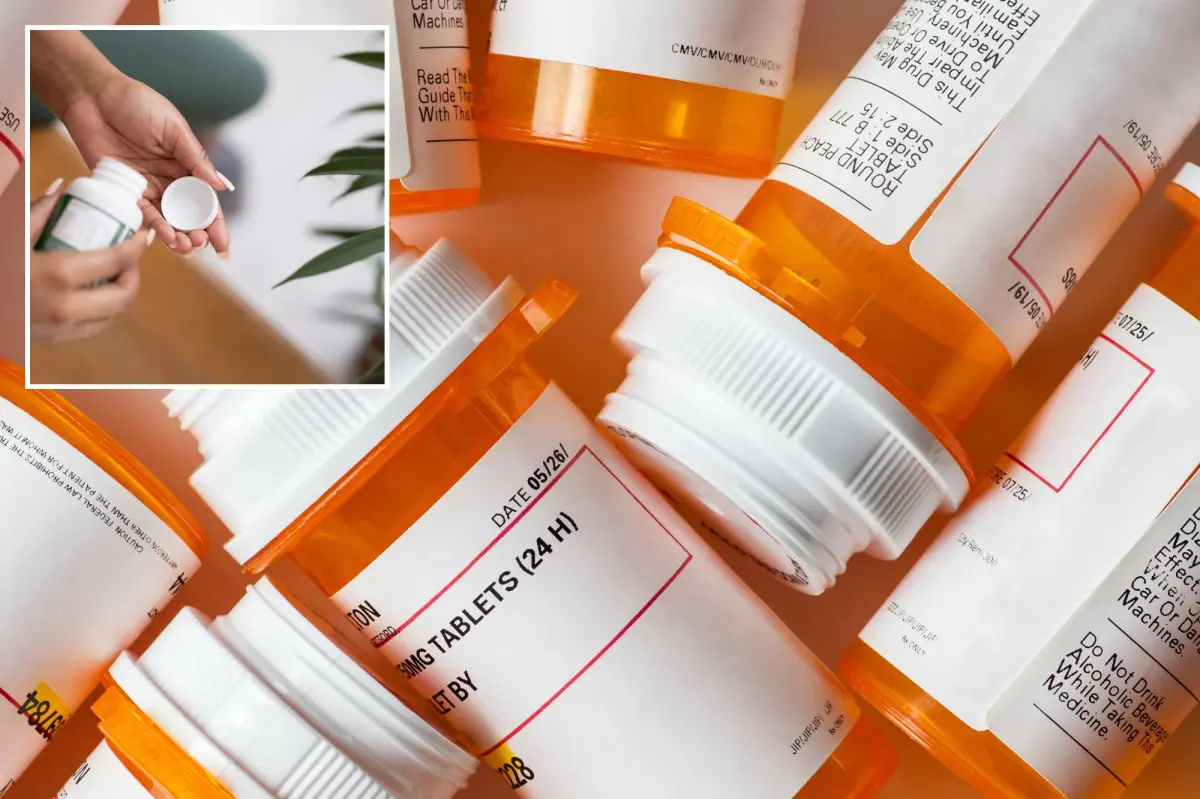
Imagine the routine of waking up every morning, reaching for the bedside table, and taking a small pill that keeps your heart beating steadily or your kidneys functioning properly. For nearly a million Americans managing chronic cardiovascular and renal conditions, this daily ritual has been disrupted by a chilling headline: the Food and Drug Administration (FDA) has announced a voluntary recall of nearly one million bottles of critical heart and kidney medications. Initiated by California-based biopharmaceutical company Amgen, Inc., the recall affects almost 945,000 bottles of Corlanor and Sensipar. The sudden news of a prescription recall naturally sparks immediate anxiety for patients who depend on these daily therapies to survive, turning what was once a quiet moment of health management into a stressful flurry of questions about safety, purity, and what to do next.
The catalyst for this massive safeguard stems from a routine quality-control check, a defensive measure designed to catch production errors before they ever threaten a patient’s well-being. According to the California State Board of Pharmacy, inspectors discovered an “unexpected foreign matter” on a reserve sample from one of the identified manufacturing batches. Crucially, investigators clarified that this unwanted substance was localized entirely on the exterior surface of the tablets, sitting on top of the outer coating rather than being integrated into the chemical recipe of the medication itself. Because the microscopic anomaly was traced back to a specific packaging environment—specifically the AML Building 23 packaging facility—Amgen opted to recall all active lots processed in that area as a precautionary measure to guarantee absolute quality across the board.
While the phrase “foreign substance” in a prescription bottle is understandably alarming, health authorities have been quick to offer reassurance that patient risk remains incredibly low. To date, there have been zero reports of adverse events, side effects, or medical complications stemming from this packaging issue. The FDA has categorized this event as a Class II recall. In regulatory terms, this means that while the situation warrants action, any potential health consequences are temporary, medically reversible, or highly unlikely to cause serious harm. This classification should give patients immense peace of mind; the recall is a proactive, defensive maneuver by the manufacturer to maintain their rigorous purity standards, rather than a response to an active public health emergency.
To appreciate the human scale of this recall, one must look at the specific communities these daily medications serve. Corlanor, medically known as ivabradine, is a lifeline prescribed to patients living with chronic heart failure, helping their hearts pump blood more efficiently without putting undue stress on the cardiovascular system. Sensipar, known generically as cinacalcet hydrochloride, plays an equally vital role for chronic kidney disease patients by managing secondary hyperparathyroidism—a condition that causes an overproduction of hormones, leading to severe bone and joint pain. For individuals navigating these taxing, long-term illnesses, consistency is everything. Abruptly halting a treatment regimen can throw the body’s delicate internal chemistry out of biological balance, making clear, accessible information about which exact bottles are affected absolutely vital.
If you or a loved one takes either of these medications, it is important to calmly cross-reference your current bottles with the affected packaging details. The recalled tablets were distributed nationwide over a massive window, spanning from October 28, 2021, through December 30, 2025. Specifically, the recall targets several variations: Corlanor 5 mg tablets in both 60-count bottles (NDC 55513-800-60 and NDC 55513-810-60) and 14-count bottles (NDC 55513-800-99). For kidney patients, the affected Sensipar bottles include the 30 mg strength (NDC 55513-073-30), the 60 mg strength (NDC 55513-074-30), and the 90 mg strength (NDC 55513-075-30), all of which are packaged in 30-tablet quantities. Checking the National Drug Code (NDC) printed on the side of your prescription label is the quickest way to verify if your supply is part of the recalled inventory.
Facing a medication recall can leave you feeling vulnerable, but taking control of your health decisions is the best way to move forward safely. If you discover that your prescription matches the recalled lot numbers, the most important rule is not to stop taking your medication cold turkey. Abruptly ending a heart or kidney treatment can pose a far greater immediate risk to your health than the low-risk foreign substance on the tablet’s surface. Instead, reach out immediately to your pharmacist or prescribing physician to arrange for a seamless transition to a safe, alternative batch. By working collaboratively with your healthcare team, you can quickly secure a clean replacement, minimize disruptions to your treatment plan, and continue managing your chronic condition with confidence and peace of mind.