


The Silent Kingmaker: How the Crypto Lobby’s Multi-Million Dollar War Chest is Quietly Rewriting the Rules of American Politics
The Ascent of Decentralized Capital in Washington’s Corridors of Power
In the high-stakes, hyper-polarized arena of modern American electoral politics, a new species of financial colossus has emerged, wielding unprecedented influence over the composition and legislative agenda of the United States Congress. Once dismissed as an eccentric, volatile fringe interest group struggling to find its footing on Capitol Hill, the digital asset and cryptocurrency sector has rapidly and calculatedly institutionalized its political operations. This maturation has culminated in the creation of Fairshake—a formidable, multi-million-dollar super political action committee (PAC) that is systematically reshaping democratic contests across the nation. The traditional avenues of corporate lobbying, once characterized by quiet, closed-door meetings and modest campaign contributions, have been entirely eclipsed by Fairshake’s aggressive, direct-intervention strategy. By deploying immense vaults of capital into key primary races, this financial juggernaut is no longer merely participating in the national political conversation; it is actively curating the legislative roster of the federal government. As candidates from both major political parties navigate increasingly volatile primary environments, they are beginning to understand that their electoral viability may well hinge on where they stand relative to the digital ledger. This seismic shift in political spending marks a watershed moment in the history of campaign finance, demonstrating how concentrated economic power from an emerging, highly regulated industry can rapidly build a defensive wall around its commercial interests by directly influencing who gets to draft the laws of the land.
              FAIRSHAKE'S STRATEGIC DISBURSEMENTS
             ┌──────────────────────────────────────┐
             │  Total War Chest: ~$126 Million      │
             └──────────────────┬───────────────────┘
                                │
     ┌──────────────────────────┼──────────────────────────┐
     ▼                          ▼                          ▼
┌──────────────────┐ ┌──────────────────┐ ┌──────────────────┐
│ Ritchie Torres │ │ April Delaney │ │ Blake Moore │
│ (D-NY) │ │ (D-MD) │ │ (R-UT) │
│ $1.3 Million │ │ $516,000 │ │ Targeted Ads │
└──────────────────┘ └──────────────────┘ └──────────────────┘
Precision Bombardment: Strategic Interventions in the Primary Fields
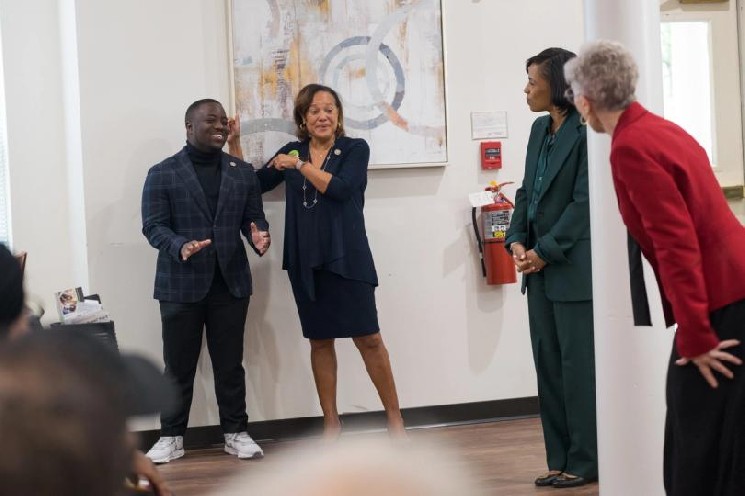
The efficacy of this aggressive financial strategy was vividly demonstrated during recent primary elections, where Fairshake’s highly targeted, high-impact expenditures proved to be a decisive factor in securing victories for favorable candidates across geographically and ideologically disparate states. In Maryland’s highly competitive primary, the super PAC funneled upward of $516,000 to back incumbent Representative April McClain Delaney, an investment that paid immediate dividends as she secured an early, commanding lead in a race critical to her party’s broader regional strategy. Farther west, in Utah, the political action committee cast its protective financial net over Republican incumbent Representative Blake Moore, insulating him from potential insurgent challengers and reinforcing his standing with a timely influx of advertising capital. However, the crown jewel of Fairshake’s primary intervention was arguably its massive $1.3 million allocation dedicated to supporting Representative Ritchie Torres, a New York Democrat representing the South Bronx, who has distinguished himself as one of the digital asset industry’s most articulate, reliable, and vocal champions within the Democratic caucus. These targeted investments did not just result in arbitrary victories; they demonstrated a highly calculated, bipartisan proof-of-concept. By guaranteeing that its key allies survived competitive primaries, Fairshake established an undeniable precedent: backing the crypto industry’s legislative goals yields tangible, career-preserving rewards, while opposition or apathy carries a prohibitively high political cost that few modern campaigns are willing to risk.
The $126 Million Arsenal and the Approaching Autumn Offensive
To appreciate the true scale of Fairshake’s political ambitions, one need only look at its formidable financial ledger, which positions the committee as one of the most affluent independent political organizations in modern American history. According to the most recent Federal Election Commission (FEC) disclosure filings, the super PAC closed the previous month with an astonishing $126 million in cash-on-hand—a massive treasury that remains largely unspent but is primed for rapid deployment as the nation hurtles toward the pivotal November general elections. This unprecedented liquidity affords the digital asset lobby extraordinary tactical flexibility in an election cycle where the narrowest of margins will determine the balance of power in the United States Congress. Unlike traditional corporate PACs that exhaust their resources early or distribute their funds in small, predictable increments, Fairshake’s massive reserve allows it to act as a financial rapid-response force, capable of dropping millions of dollars into key swing districts at a moment’s notice to sway late-undecided voters. As the national political spotlight intensifies and individual campaigns burn through their own direct treasuries, this multi-million-dollar corporate reserve fund will serve as a high-velocity engine of influence, ensuring that whichever political party ultimately claims victory in the fall, they will do so with a profound awareness of the financial forces that helped pave their path to Washington.
Hedging the House: Preparing for a Changing of the Guard
At the heart of Fairshake’s strategic calculus is a deeply pragmatic, non-partisan approach to power, designed to insulate the digital asset sector from the shifting, unpredictable tides of party control. With prediction market platforms like Kalshi pegging the probability of the Democratic Party reclaiming a majority in the House of Representatives at an impressive 79% in recent cycles, the crypto industry is carefully laying the groundwork for a transition of power that could fundamentally alter the federal regulatory landscape. If the Democrats indeed secure the speaker’s gavel, the entire legislative apparatus of the House—including committee chairmanships, agenda placement, and the highly potent power of congressional subpoenas—will shift to their hands, potentially placing critical policy decisions under the purview of historical industry critics. Recognizing this mathematical reality, Fairshake’s targeted support of rising Democratic profiles, such as candidate Yasu Boafo and other moderate progressives, represents a calculated gambit to cultivate deep-seated campaign-finance bonds with the new ruling class. Should these candidates ascend to power and help secure a new Democratic majority, the industry will have successfully embedded its closest allies within the very committees that hold the power to investigate, draft, and stall federal laws, transforming what could have been a hostile regulatory environment into a collaborative partnership designed to foster, rather than stifle, financial technology.
                 CONGRESSIONAL CONTROL & CRYPTO LEGISLATION

 ┌───────────────────────────────────────────────────────────────┐
 │  If Democrats Secure House Majority (Kalshi Odds: ~79%)       │
 └───────────────────────────────┬───────────────────────────────┘
                                 │
        ┌────────────────────────┴────────────────────────┐
        ▼                                                 ▼
┌──────────────────────────────────────┐ ┌──────────────────────────────────────┐
│ Committee Chairmanships & Agendas │ │ Subpoena and Oversight Powers │
│ – Shift to Democratic hands │ │ – Direct influence over SEC/CFTC │
│ – Pro-crypto Democrats mitigate │ │ – Ability to stall or accelerate │
│ hostile legislation │ │ regulatory framework bills │
└──────────────────────────────────────┘ └──────────────────────────────────────┘
The Stealth Strategy: The Art of the Invisible Endorsement
What makes Fairshake’s intervention uniquely sophisticated, and perhaps alarming to traditional political purists, is its brilliant, counter-intuitive approach to the television and digital advertisements it finances. Rather than bombarding voters with technical jargon about blockchain validation, decentralized protocols, or the regulatory oversight of the Securities and Exchange Commission, Fairshake’s independent expenditures are mathematically engineered to completely omit any mention of cryptocurrency or digital assets. Under strict legal boundaries that prohibit direct coordination with the candidates’ campaign committees, the super PAC’s strategists conduct exhaustive localized polling to determine the exact issues that resonate most deeply with voters in a given district—be it healthcare, infrastructure, education, or inflation. The resulting commercial spots are highly optimized, beautifully produced political narratives designed strictly to elevate the candidate’s general public appeal and character, presenting them as common-sense, community-focused leaders. By employing this under-the-radar marketing strategy, Fairshake achieves a dual objective: it avoids alienating the broad swath of the electorate that remains skeptical of digital currencies, while simultaneously guaranteeing that the pro-crypto candidate secures the seat. It is a masterclass in modern political marketing—using the supreme wealth generated by a highly technical industry to fund hyper-localized, accessible populist narratives that carry candidates across the finish line without ever forcing them to defend the complexities of their financial benefactors.
A New Paradigm for Corporate Lobbying and Capital
This fusion of massive economic wealth and targeted, stealthy political campaigning represents a profound paradigm shift in how modern industries interact with American democracy, providing a blueprint that other sectors will inevitably seek to replicate. For the digital asset industry, the endgame of this unprecedented investment is not merely the short-term survival of specific legislative allies, but rather the establishment of permanent regulatory clarity and long-term legitimacy. For years, the sector has complained of “regulation by enforcement” under hardline regulators who have used court actions rather than legislative mandates to police Web3. By ensuring that the next generation of congressional leaders—regardless of their party affiliation—are indebted to, or at least highly appreciative of, the immense campaign resources deployed on their behalf, Fairshake is systematically building a legislative bulwark against regulatory overreach. In the looming legislative battles over the definition of digital securities, the jurisdiction of regulatory agencies, and the integration of digital dollars, this permanent, highly incentivized congressional caucus will serve as the industry’s ultimate shield. As the dust settles on the remaining primaries and the country gears up for a historic general election, one reality remains indisputable: cryptocurrency is no longer just a volatile asset class traded on digital screens; it has become one of the most powerful, disruptive, and sophisticated institutional forces currently defining the trajectory of American governance.