



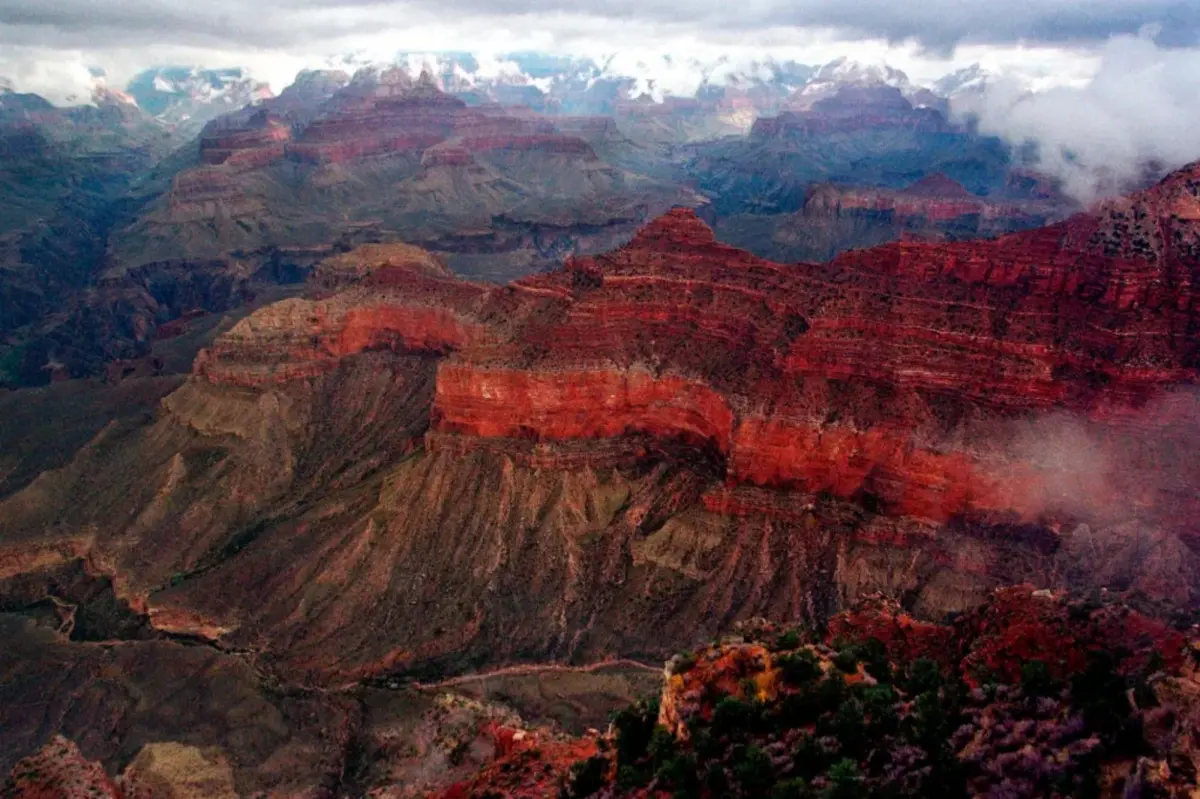
The Grand Canyon is a place of profound, almost spiritual beauty, a vast and ancient chasm carved into the earth over millions of years that draws eager adventurers from every corner of the globe each year. Its towering red rock formations, sweeping dramatic vistas, and deep, quiet gorges evoke a sense of timeless wonder, inviting travelers to step off the paved observation rims and test their physical stamina against its steep, descending wilderness. Yet, beneath this breathtaking majesty lies an environment that is as unforgiving as it is magnificent. During the blistering summer months, the canyon undergoes a dangerous thermal transformation, turning its inner corridors into a natural furnace where the air grows heavy and the heat becomes a palpable, suffocating weight. For all its staggering aesthetic beauty, the canyon floor demands absolute respect, a truth tragically highlighted during a recent week when three separate lives were cut short. These hikers, who set out to immerse themselves in one of the world’s greatest natural wonders, found themselves caught in a desperate, losing struggle against soaring midday temperatures that frequently exceed 109 degrees Fahrenheit in the shade of the inner canyon. The shock of these consecutive tragedies has sent profound ripples of grief through the global hiking community and serves as a somber reminder of how quickly a dream sightseeing adventure can turn into a frantic battle for survival. The sheer scale and isolating topography of the landscape can easily overwhelm the human body, masking the deadly onset of dehydration and heat exhaustion until it is too late, leaving heartbroken families to mourn in the tragic aftermath and park officials to once again warn the public about the invisible, scorching dangers lurking beneath the canyon’s edge.
The first tragedy of this painful week unfolded on the afternoon of June 12 along the South Kaibab Trail, a path famous for its panoramic, uninterrupted views but notoriously lacking in water or shade. A 72-year-old male hiker, drawn by the timeless allure of the inner canyon, began his descent into a landscape bathed in unrelenting, desert sunlight. As the trail wound deeper into the earth, the temperature began to climb exponentially, far surpassing the milder, wind-cooled conditions at the trailhead high above. The South Kaibab Trail is a steep, unrelenting ridge descent that offers no natural water sources and very little relief from the baking sun, making it a grueling challenge even for seasoned back-country hikers. For this elderly gentleman, the physical toll of the climb combined with the surging heat proved to be an insurmountable obstacle. As his internal body temperature rose to dangerous levels, his cardiovascular system began to fail under the stress, leading to rapid disorientation, physical exhaustion, and eventual collapse. Fellow hikers and park rangers scrambled to initiate an emergency response, but the remote geography and punishing environmental conditions created a race against time that simply could not be won. Despite the frantic, heroic efforts of rescue crews trying to reach him in the sweltering heat, the hiker passed away before hands-on medical aid could be administered. His death was the first tragic signal of an escalating heat crisis in the park, illustrating how quickly a standard day hike can cross the threshold from a strenuous activity into a fatal emergency, leaving a quiet, empty stretch of trail in its wake and a family shattered by sudden loss. It highlighted the hard truth that age and environmental exposure can conspire rapidly to overwhelm even the most passionate adventurers.
Just four days later, on June 16, a second and even more devastating incident occurred on the North Kaibab Trail, claiming the lives of a 67-year-old man and a 68-year-old woman. The North Kaibab Trail is the only maintained path entering the canyon from the North Rim, known for its lush vegetation at the top that deceptively transitions into a scorching, rock-walled canyon corridor as it drops thousands of feet toward the Colorado River. This companion couple, embarking on what was likely meant to be a memorable journey through some of the country’s most rugged terrain, became trapped in the stifling, radiant heat of the inner canyon. Unlike coastal climates where cooling breezes offer relief, the sheer canyon walls trap solar radiation, reflecting it back onto hikers like a heavy brick oven, creating a microclimate where shade is virtually nonexistent and the air feels difficult to breathe. As the couple pushed onward, the invisible claws of heat stroke began to take hold of them both, rapidly draining their fluids, elevating their heart rates, and clouding their cognitive abilities. In the wilderness, when one companion falls ill, the other often exhausts their remaining physical reserves trying to care for them, creating a compounding tragedy that is difficult to prevent. By the time emergency distress signals were received and coordinates were established, both individuals had tragically succumbed to the overwhelming heat. Their deaths, occurring so close in time and space to the previous tragedy, highlighted the extreme vulnerability of older adults to sudden thermal stress and left the entire park community in a state of profound shock, sadness, and deep reflection on the limits of human endurance.
The desperate rescue operations launched by the National Park Service during these emergencies demonstrate both the selfless heroism of first responders and the terrifying, unavoidable limitations imposed by extreme weather. When the distress calls came in, dispatchers immediately mobilized high-priority rescue operations, coordinating ground teams and deploying aerial support to navigate the steep, hazardous drop-offs of the inner canyon. Rescue helicopters roared to life, lifting off into the turbulent, thin air of the desert summer in a frantic bid to deliver life-saving medical intervention. However, operating aircraft in extreme heat is exceptionally dangerous; high temperatures reduce air density, making helicopters harder to control and severely limiting their lifting capacity. On the ground, search and rescue rangers carrying heavy medical packs pushed their physical boundaries to descend the steep, rocky trails, running directly into the same oppressive heat that had incapacitated the hikers. Despite their rapid response times and the seamless coordination between air and ground crews, the sheer distances were too great and the heat-related illnesses had progressed too far. By the time the first responders reached the victims on both June 12 and June 16, there was nothing left to do but pronounce them dead. The emotional burden on these rescue teams is immense; they must transition from a high-stakes life-saving mission to the somber, respectful recovery of deceased hikers, carrying the profound weight of these losses back up the trail with them while coping with the frustrating reality that even their best efforts could not alter the tragic outcome. These brave men and women face the silent canyon walls knowing they did everything physically possible, yet still returning with heavy hearts.
The physics of the Grand Canyon create a unique and deceptive hazard that many visitors fail to fully comprehend until they are deep within its giant grasp. The temperature difference between the canyon rim and the inner canyon can be as much as 20 to 30 degrees Fahrenheit, meaning a comfortable 80-degree morning at the top can easily translate to a lethal 110 degrees at the bottom. This geographical phenomenon, known as adiabatic heating, occurs as air sinks into the canyon and compresses under atmospheric pressure, warming up rapidly in the process. When temperatures exceed 109 degrees in the shade, the human body loses its crucial ability to cool itself through sweating, especially if dehydration has already set in. Without adequate fluids and electrolyte replacements, a hiker’s sweat mechanism fails entirely, causing the core body temperature to spike dangerously to 104 degrees or higher—a severe medical emergency known as heat stroke. At this critical juncture, internal organs begin to shut down, the brain swells, and profound confusion sets in, preventing hikers from making rational decisions like seeking shade or drinking water. Many hikers also suffer from hyponatremia, a life-threatening condition caused by drinking too much plain water without replacing vital salts, which can be just as deadly. The sheer isolation of the inner canyon means that once these physiological failures begin, professional medical help is hours away, making the environment an unforgiving adversary for anyone who underprepares or underestimates the physical exertion required to climb back up. Ultimately, the canyon behaves like an inverted mountain; the hardest part of the journey is not the descent, but the grueling climb out when the body is already completely exhausted.
In the wake of these three devastating losses, the National Park Service has intensified its public warnings, pleading with visitors to prioritize survival over sightseeing. The bodies of the three hikers were respectfully recovered and transported to the Coconino County Medical Examiner’s office in Flagstaff, Arizona, where official investigations are ongoing to determine the precise physiological causes of death and offer closure to their families. Meanwhile, park officials are urging hikers to strictly avoid the inner canyon trails during the hottest parts of the day, specifically between the hours of 10 a.m. and 4 p.m., when the sun is at its zenith and shade completely disappears. Detailed signs at trailheads and digital alerts warn that emergency rescue cannot be guaranteed, reminding everyone that hiking down is purely optional, but hiking back up is mandatory—and infinitely more physically taxing. This painful week serves as a stark, heart-wrenching reminder of our human fragility when confronted with the raw, chaotic power of nature. While the Grand Canyon will continue to draw searchers of beauty, peace, and adventure, its ancient stone walls stand as a silent, eternal testament to the need for humility, rigorous physical preparation, and profound respect for the elements. As the grieving families of the deceased begin the long and painful process of mourning their loved ones, the global public is left with a sobering, essential lesson: the wilderness does not compromise with human desire, and safeguarding one’s life must always come before conquering the trail. It is a stark reminder that staying safe is the most profound tribute one can pay to the beauty of the wild.