



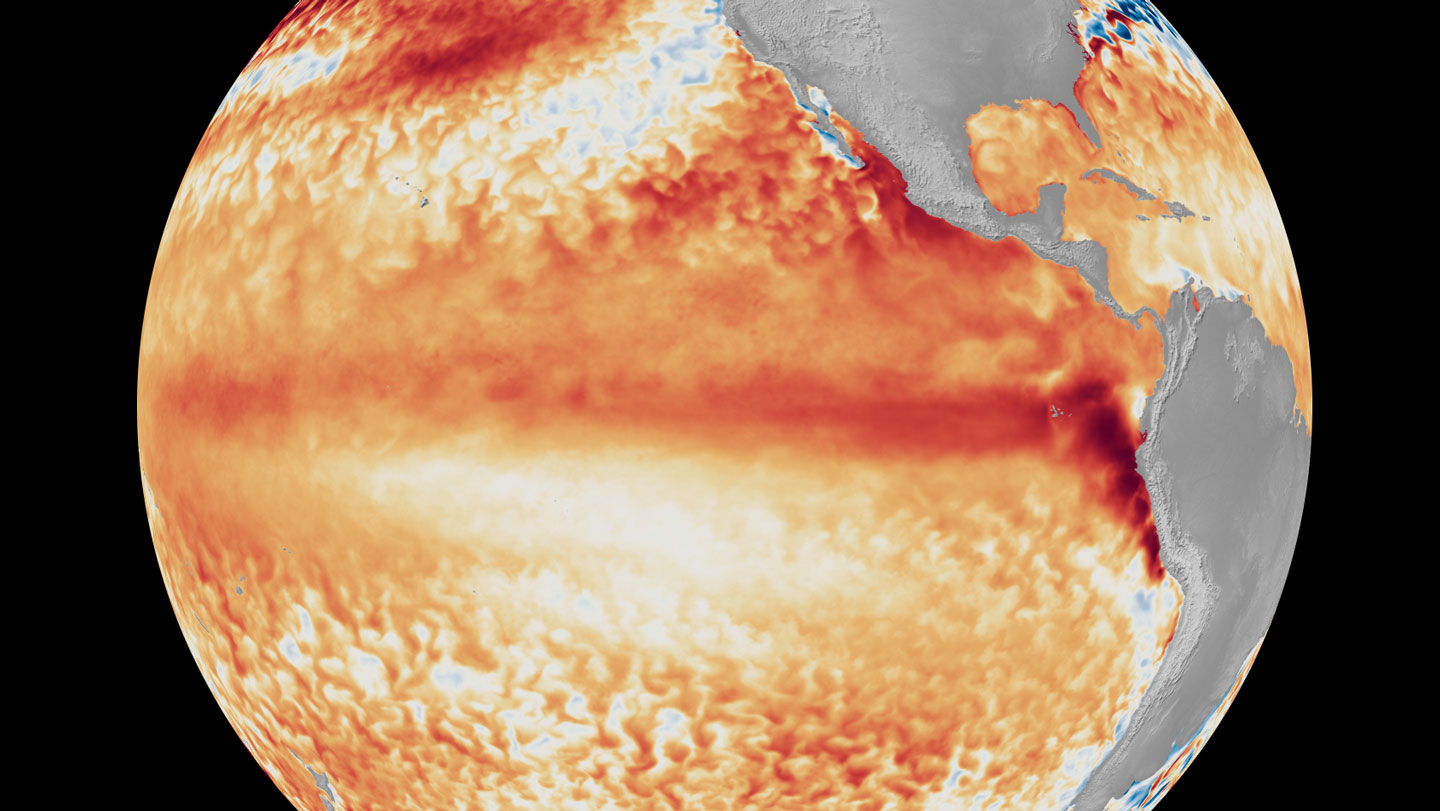
The global climate is shifting once again, and scientists are urging humanity to prepare for a highly unstable and potentially historic meteorological ride. On June 11, the National Oceanic and Atmospheric Administration officially announced that the Earth has transitioned out of its neutral state and entered the warm phase of a massive natural cycle known as the El Niño Southern Oscillation, or ENSO. This is not merely a localized shift in oceanic currents; it is a planetary-scale event that could evolve into the most intense El Niño ever recorded by the time it concludes in 2026. For people around the world, this shift translates directly to heightened risks to human health, agricultural stability, and critical community infrastructure. Forecasters currently estimate a staggering sixty-three percent chance that this event will cross the threshold into a “very strong” or “super” El Niño by winter. As this immense system gathers strength, it promises to reshape local weather patterns across every continent, threatening to test our collective resilience, strain our energy grids, and disrupt global food supplies in ways we are only beginning to anticipate.
To truly understand the gravity of this impending phenomenon, we must look to the delicate balance of wind and water that has governed our oceans for millennia. The story of El Niño begins centuries ago with Peruvian fishermen who, in the 1600s, noticed an unusual warming of the coastal waters of the Pacific Ocean occurring around Christmas. They named this warm current “El Niño”—Spanish for the “little boy” or the “Christ child”—not realizing that this local anomaly was actually the heartbeat of a global climate engine. In normal years, strong trade winds blow tirelessly from east to west across the equatorial Pacific, pushing warm surface waters toward Asia and allowing cold, nutrient-rich deep waters to rise along the coast of the Americas in a life-giving process called upwelling. However, during an El Niño phase, the atmospheric pressure zones over the eastern and western Pacific tilt in a massive seesaw known as the Southern Oscillation. As air pressure rises in the west and falls in the east, the trade winds weaken or completely reverse, letting a vast expanse of warm water slosh back eastward to blanket the American coast, trapping the cold depths below and releasing immense amounts of stored oceanic heat directly into the global atmosphere.
What elevates a standard climate shift into a true “super El Niño” is the sheer intensity of this heat transfer, a metric scientists track with meticulous precision. Traditionally, an El Niño event is declared when ocean surface temperatures in the eastern tropical Pacific remain at least half a degree Celsius above average for several consecutive months. When those anomalies climb past the two-degree-Celsius mark, the phenomenon reaches the rare and destructive “super” status. This year, detecting and measuring these temperature anomalies has become an unprecedented challenge for scientists because our background oceans are already warmer than ever due to human-caused climate change. To avoid skewing their forecasts, NOAA meteorologists have adopted a sophisticated new tool called the Relative Ocean Niño Index, which filters out the background noise of global warming to isolate the true strength of the El Niño signal. Even with this conservative metric, the data is alarming: predictive models are signaling shockingly high global temperatures for the final months of the year, warning us that the natural surge of El Niño is compounding an already overheated planet.
The human cost of this atmospheric rearrangement is both direct and devastating. As the warming Pacific Ocean alters the path of the jet stream—the high-altitude wind current that acts as a global weather highway—it will bring severe whiplash to local communities, leaving some areas parched by historic droughts while drowning others under catastrophic rainfall. While the altered wind patterns fortunately tend to suppress the formation of destructive Atlantic hurricanes, they simultaneously trigger more frequent and severe tropical cyclones in the Pacific basin. Beyond the physical destruction of storms, the sudden shift in temperature and moisture creates a perfect storm for global public health crises. Regions inundated by flooding often suffer massive outbreaks of waterborne diseases like cholera and typhoid due to compromised sanitation systems, while warmer, stagnant waters allow malaria- and dengue-carrying mosquito populations to explode. In dry regions, the heatwaves and droughts strip moisture from agricultural soils, threatening crop yields, driving up global food prices, and pushing vulnerable populations into severe nutritional insecurity.
We do not have to guess at the damage a super El Niño can cause; we only have to look back at the scars left by previous events, most notably the legendary El Niño of 1997–1998. That historical event stands as the strongest on record, temporarily raising the Earth’s average temperature by a devastating 1.5 degrees Celsius and unleashing atmospheric chaos. In South America and East Africa, relentless downpours triggered widespread flooding and deadly outbreaks of Rift Valley fever, while Southeast Asia suffocated under severe droughts that ignited uncontrollable, toxic wildfires. Beneath the ocean’s surface, the prolonged thermal stress caused mass bleaching, killing roughly sixteen percent of the world’s precious coral reefs in a silent ecological tragedy. The economic toll of these events is equally staggering, with economists estimating that the 1997–1998 El Niño drained an estimated 5.7 trillion dollars from the global economy over the subsequent years, leaving poor and developing nations to carry the heaviest financial burdens of recovery and rebuilding.
As we look toward the uncertain horizon of the next few years, the defining characteristic of this upcoming El Niño is that it does not exist in a vacuum. It is unfolding on a planet already altered by decades of greenhouse gas emissions, meaning that even a moderate El Niño could easily shatter all existing temperature records. This intersection of natural variability and human-driven warming means we are entering uncharted meteorological territory, where old baselines no longer apply and extreme events are amplified. Yet, this forewarning is also an opportunity for collective action, reminding us of our shared vulnerability and our capacity for adaptation. By strengthening early warning systems, securing public health infrastructure, and supporting sustainable agricultural practices, global communities can bolster their defenses against the coming storms. The arrival of El Niño is a powerful reminder that our lives are deeply intertwined with the rhythms of the earth, and our ability to navigate the turbulent years ahead will depend entirely on our willingness to prepare, cooperate, and protect one another.