

The tranquility of a Tuesday night in the border city of Laredo, Texas, was violently shattered just after ten o’clock when a state-of-the-art business jet fell from the night sky, transforming a familiar stretch of highway into a scene of fiery devastation. For residents and travelers navigating Loop 20, a major transportation artery that skirts the eastern edge of the city, the night was supposed to end with the quiet routine of heading home. Instead, they were met with a terrifying spectacle as a twin-engine Cessna Citation Latitude, a symbol of luxury and modern engineering, descended rapidly and collided with the asphalt. The impact was catastrophic, igniting a fierce blaze that cast an eerie, flickering orange glow over the surrounding landscape and instantly drew the attention of startled onlookers and emergency services. In a matter of seconds, what had been a routine flight became a crucible of life and death, leaving one person dead, several others injured, and an entire community in a state of profound shock as they began to process the sudden tragedy that had unfolded in their midst.
The ill-fated journey had begun hours earlier in the warm, coastal air of Mexico, far from the cold reality of the highway crash site. The sophisticated aircraft, operated by the premium fractional aircraft ownership company NetJets, had departed from Los Cabos International Airport at 6:19 p.m., carrying six individuals who expected a swift and comfortable journey back to the United States. As the jet climbed into the evening sky, leaving behind the scenic beaches of the Baja California peninsula, it cruised toward its destination with the effortless grace characteristic of modern private aviation. However, as the flight neared Laredo, located approximately 140 miles southwest of San Antonio, something went terribly wrong. The descent, which should have been a smooth transition to the local runway, devolved into a desperate struggle for survival. The aircraft struck a ground vehicle as it came down on Loop 20, a collision that underscored the horrifying intersection of an aerial emergency with the mundane reality of evening highway traffic, before the plane finally smashed into a sturdy highway barrier.
In the immediate aftermath of the impact, as thick, toxic plumes of black smoke began to billow into the night air, the scene became a frantic arena of rescue operations. First responders from the Laredo Police Department and local fire crews rushed toward the inferno with a selflessness that defines the very best of humanity. Among those leading the charge were five police officers who, without regard for their own safety, plunged into the dense smoke to search for survivors amid the twisted metal and burning fuel. The bravery of these officers came at a physical cost; all five had to be transported to a local hospital to be treated for severe smoke inhalation, serving as a poignant reminder of the immediate dangers faced by those who run toward disaster while others flee. Investigator Jose Baeza of the Laredo Police Department quickly became the voice of the unfolding tragedy, coordinating with media outlets to paint a picture of a closed highway, a mobilized community, and a rescue effort that was as perilous as it was urgent.
As the physical fires were gradually brought under control, a deeper, much more agonizing human mystery began to take shape regarding the casualties of the crash. Authorities confirmed that one person had lost their life in the incident, but the initial confusion surrounding the crash site left it tragically unclear whether this individual was a passenger aboard the shattered jet or an innocent civilian traveling in the vehicle that had been struck on the ground. This ambiguity cast a heavy shadow of grief over the incident, leaving families of both the plane’s occupants and local drivers suspended in a painful state of limbo. The physical state of the six people who had boarded the plane in Los Cabos remained officially unconfirmed in the hours directly following the accident, leaving loved ones to nurse desperate hopes against the backdrop of devastating visual evidence. The contrast between the sterile statistics of aviation reports and the raw, unfolding human grief of those waiting for news of their fathers, mothers, siblings, or friends highlighted the profound fragility of human life in the face of unexpected catastrophe.
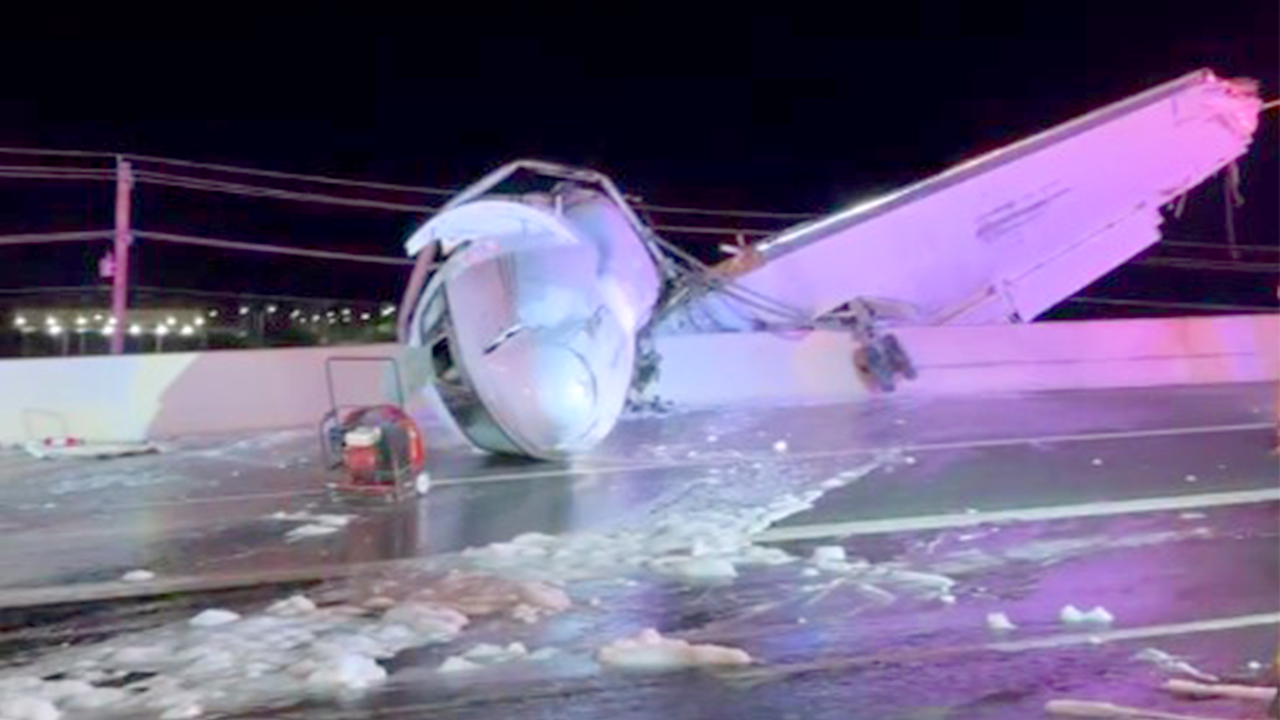
In the corporate offices of NetJets, the reality of the disaster prompted an immediate and solemn response, with the company releasing a statement confirming that one of its aircraft was indeed involved in the Laredo crash. The company expressed its deep concern and pledged to cooperate fully with federal and local authorities as they began the arduous process of determining what had caused the twin jet to fall from the sky. The investigation, which will be spearheaded by the Federal Aviation Administration and the National Transportation Safety Board, face a daunting task as they piece together the final moments of the flight. Investigators will have to analyze flight data recorders, dissect communication logs, look into weather patterns, and carefully examine the sheared wreckage of the Cessna Citation Latitude, which local social media videos showed lying pathetically on its side with its tail section completely ripped from the fuselage. For a model of aircraft renowned for its reliability and advanced safety features, finding the root cause of this failure is crucial not only for providing closure to the victims’ families but also for ensuring the continued safety of global private aviation.
As Wednesday morning dawned, the physical scars of the accident remained visible, with Loop 20 remaining closed to traffic as investigators worked diligently amid the debris, forcing a busy city to alter its daily routine and pause in collective reflection. This tragic event serves as a stark reminder of how quickly the coordinates of our lives can be altered, transforming a commonplace commute or a standard business flight into a historic tragedy. The community of Laredo, while resilient, now bears the emotional weight of a disaster that occurred right on its doorstep, a narrative marked by the loss of life, the heroism of its police officers, and the lingering questions that only a thorough investigation can answer. In the coming weeks and months, as the wreckage is cleared and the highway is fully reopened, the memories of Tuesday night will persist, underscored by a shared hope that the lessons learned from this tragedy will prevent such a devastating loss from ever happening again, offering a small sliver of solace to a community touched by sudden grief.