



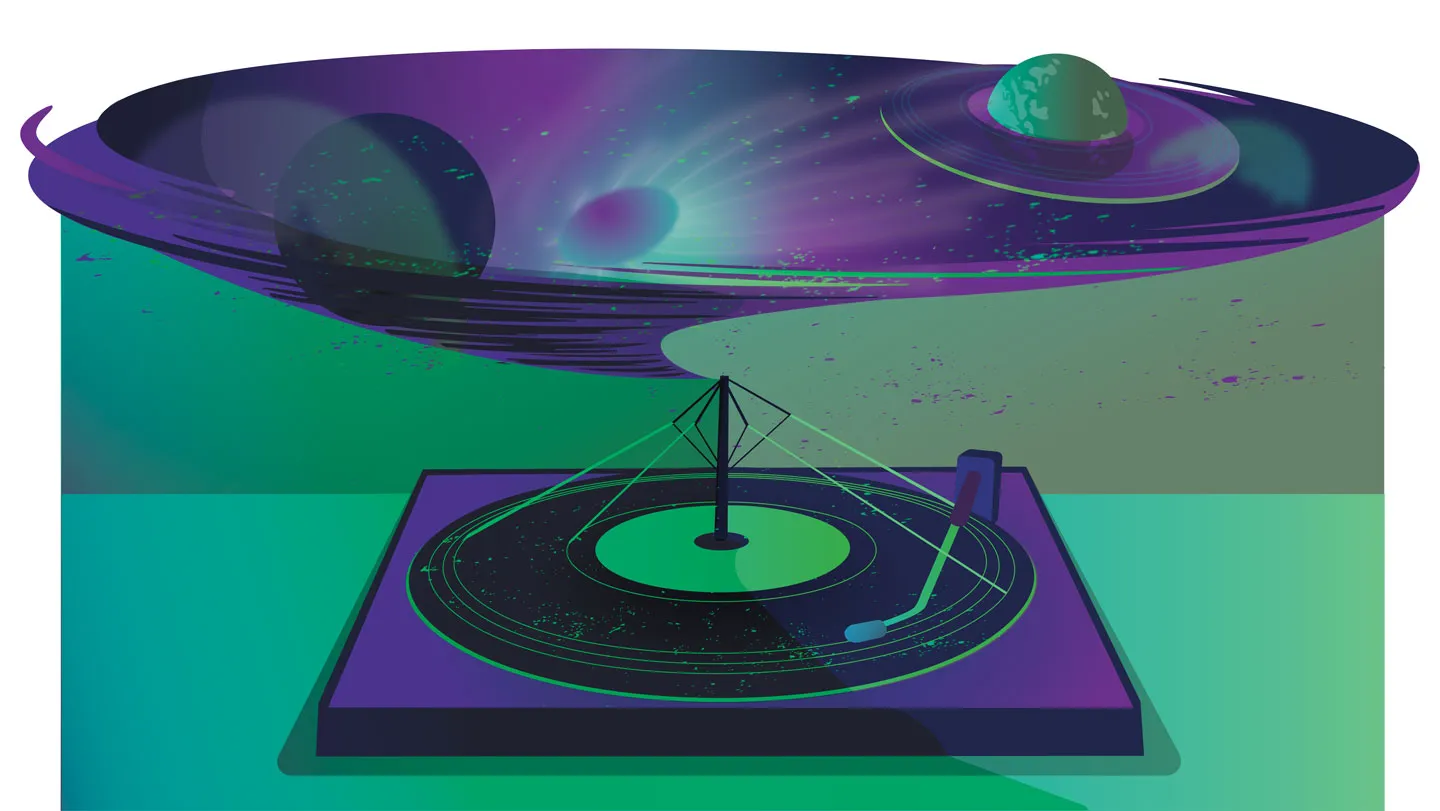
At first glance, the frozen, windswept deserts of Antarctica and the unfathomable, airless voids of outer space seem characterized by a profound, almost terrifying silence. Yet, to a pioneering cooperative of scientists and musicians, these hostile frontiers are actually brimming with an invisible, unheard symphony waiting to be decoded. Through the innovative process of data sonification, this dedicated science-art collective has set out to prove that the universe is not quiet; rather, it speaks in languages of frequency, vibration, and radiation that human ears simply cannot perceive without a translator. By converting rigid, mathematical datasets—such as the seismic tremors of shifting ice caps and the electromagnetic whispers of distant celestial bodies—into musical pitches, rhythms, and textures, this project humanizes the sterile language of scientific research. It transforms cold, clinical data points on a spreadsheet into an evocative, emotional listening experience. This endeavor is born from a deeply human impulse: the desire to connect on an intuitive level with the places we cannot easily go, bridging the gap between the intellectual brain and the feeling heart. By weaving these soundscapes together, the team invites us to listen to the Earth and the cosmos not as abstract concepts to be studied from a distance, but as living, breathing entities whose stories are intimately connected to our own.
To capture the voice of the Southern Ocean and the Antarctic continent, the team collaborated with polar scientists who gather data from some of the most remote monitoring stations on Earth. Here, instruments like hydrophones submerged deep beneath the Southern Ocean and seismometers anchored to shifting ice shelves record the constant, subtle movements of a continent under pressure. Under normal circumstances, this data is visualized as jagged lines on a computer screen, analyzed for signs of glacial melting, seismic activity, or tectonic shifts. However, when these researchers handed their binary codes and frequency measurements to the musicians, the data underwent a remarkable metamorphosis. The low-frequency groan of a cracking ice shelf was transposed up into the audible spectrum, revealing a deep, cello-like rumble that carries a chilling sense of fragility. The rhythmic lapping of ocean waves against icebergs, when mapped to synthetic instruments, became a sweeping, ambient rhythm that mimics the slow, steady heartbeat of the planet. Through this creative translation, the melting of Antarctica is no longer represented merely by a rising trendline on a graph, but by a haunting, elegiac melody that grieves the loss of its own frozen physical form. It allows the listener to sit in a room and physically feel the vibrations of Antarctica’s shifting ice, transforming a distant ecological crisis into an intimate, sensory encounter that demands our immediate attention and empathy.
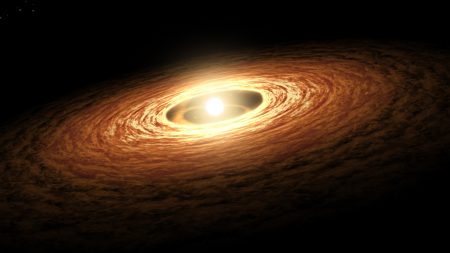
Elevating their gaze from the bottom of the world to the furthest reaches of the cosmos, the team then sought to capture the music hidden in the stars. Working alongside astrophysicists, they acquired data from space probes and telescopes that monitor the invisible forces shaping our universe: solar winds, planetary magnetospheres, and the rhythmic pulses of distant neutron stars. Space is a vacuum, meaning traditional sound waves cannot travel through it, but it is far from empty; it is saturated with electromagnetic radiation and gravitational waves that fluctuate with majestic regularity. By treating these fluctuations as sound waves, the team translated the electromagnetic data gathered by NASA’s Voyager spacecraft as it crossed into interstellar space into sparkling, ethereal synthesisers and cascading arpeggios. The steady, clockwork beat of a spinning pulsar was transformed into a driving, percussive tempo that anchors the composition, while the chaotic dance of solar flares skipping across the sun’s surface was given voice through sweeping, dramatic violin lines. This celestial sonification dismantles the cold, terrifying vastness of space, replacing the fear of the unknown with a sense of cosmic warmth. It reveals that the universe operates on a fundamental scaffolding of rhythm and harmony, suggesting that our human inclination toward music is not an isolated earthly quirk, but a reflection of a larger, systemic order that governs the entire cosmos.
The magic of this project lies in the delicate, often challenging collaborative alchemy between the scientific mind and the artistic soul. In the early stages, the scientists were protective of their data, concerned that artistic license might distort the objective truth of their findings, while the musicians struggled with the raw, chaotic nature of scientific feedback, which rarely follows the neat, predictable structures of Western musical scales. To resolve this friction, the team established a strict translation protocol: every musical note, chord progression, and textural swell had to correspond directly to a specific data point, ensuring that the music remained an authentic, unadulterated representation of the environment it depicted. Software engineers built custom digital instruments that could read scientific CSV files and translate solar storm readings into filter cutoff frequencies, or glacial melt rates into harmonic key changes. During long, late-night workshop sessions, researchers and producers sat side-by-side, watching graphs dance across screens while listening to synths reacts in real-time, experiencing mutual moments of profound epiphany when a complex mathematical formula suddenly resolved into a breathtakingly beautiful chord progression. This process demonstrated that science and art are not opposing forces, but rather twin lenses looking at the same reality, both attempting to make sense of the universe and communicate its profound truths back to the rest of humanity.
Beyond its artistic merit, this sonic tapestry serves as a powerful tool for environmental advocacy and public engagement. Traditional methods of communicating climate change—dense scientific papers, terrifying statistics, and clinical graphs—often fail to motivate people because they appeal solely to intellectual logic and can easily lead to emotional fatigue or denial. By contrast, a musical composition that incorporates the actual, weeping voices of melting glaciers bypasses the analytical mind and speaks directly to the subconscious, evoking a visceral, protective reaction that statistics cannot match. When audiences listen to these compositions, they are not just consuming information; they are experiencing a sensory manifestation of a planet in transition, feeling the tension of the warming oceans through dissonant chords and witnessing the majesty of the stars through soaring harmonies. This physical reaction has proved incredibly effective in educational settings, where children and adults alike find themselves mesmerized by the “songs” of the universe, sparking an instant, curious curiosity about the science behind the art. Ultimately, the music acts as a universal language, breaking down the barriers of cultural backgrounds and scientific literacy to unite listeners in a shared space of awe, vulnerability, and collective responsibility for our fragile home planet.
Ultimately, this extraordinary collaboration invites us to reconsider our relationship with the universe and our place within its grand design. By uniting the icy depths of Antarctica with the infinite reaches of outer space through the medium of music, the project reminds us that humanity is suspended between these two majestic frontiers, uniquely equipped with the intelligence to measure them and the heart to appreciate their beauty. It suggests that our pursuit of knowledge through science and our search for meaning through art are part of the same beautiful journey, offering a harmonious vision of the future where technology and human emotion coexist to enrich our understanding of existence. As the final notes of the composition fade away, blending the deep, resonant groans of the southern ice with the shimmering, stellar dust of distant galaxies, listeners are left with a lingering sense of profound connection and peace. We are reminded that we are not passive observers looking out at a silent, indifferent cosmos, but active participants in an ongoing, magnificent symphony, and that if we only quiet our minds and open our hearts, we will discover that the universe has been singing to us all along.