



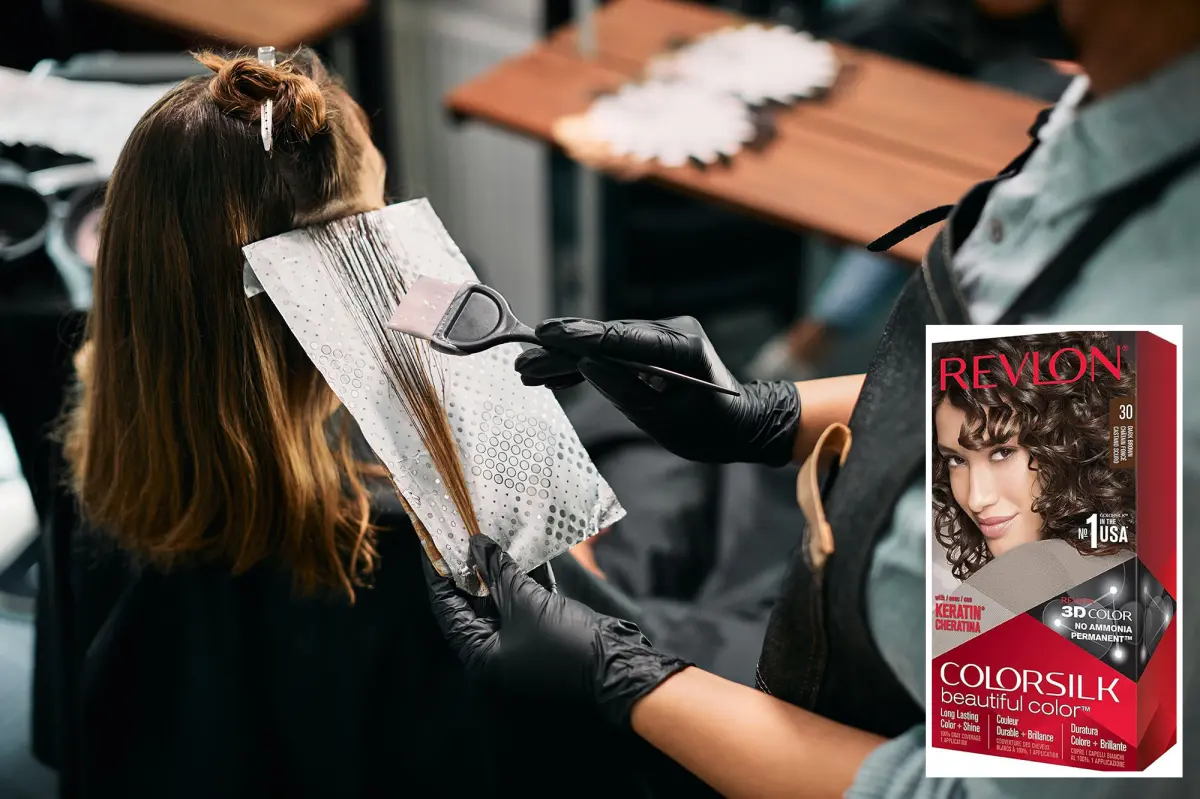
The act of altering our hair color is a deeply personal and ancient ritual, woven into the modern fabric of self-expression, identity, and the quiet pursuit of confidence. Whether we are meticulously painting over the silver strands that mark the steady passage of time, preparing for a festive holiday, or trying out a bold new hue to reflect a major life change, the experience is meant to be a therapeutic moment of self-care. Standing in the brightly lit aisles of our local drugstores or scrolling through endless digital shelves, we place immense trust in the colorful boxes adorned with glossy models promising radiant, healthy transformations. Yet, a jarring and deeply unsettling reality has been unearthed by a groundbreaking laboratory investigation conducted by the consumer advocacy group Consumer Reports (CR). In an extensive effort to examine what actually enters our bodies through these cosmetic routines, the watchdog group purchased twenty-one popular, top-selling boxed hair dyes and two temporary hair chalks from major retailers nationwide, shipping them to an independent, accredited third-party laboratory for rigorous testing. What the scientists discovered was nothing short of alarming: a relentless array of toxic compounds, heavy metals, and volatile organic chemicals present across the board. Most disturbing of all was the presence of dichloromethane—a chemical classified by health authorities as a probable human carcinogen—which managed to show up in every single product tested without exception. Oriene Shin, the safety advocacy manager at Consumer Reports, voiced the deep betrayal felt by consumers everywhere, declaring in an urgent public statement that hazardous, life-threatening chemicals have absolutely no place in the personal care items that color our daily existence. Shin emphasized that from the permanent dyes adults use to reclaim their youthful locks to the whimsical chalks that children enthusiastically rub onto their scalps for school spirit days, the basic expectation of health and safety should be an absolute, unyielding standard rather than a luxury.
For decades, the standard narrative surrounding hair dye mishaps has centered on immediate, superficial side effects that are often dismissed as mere temporary inconveniences. Thousands of consumers regularly tolerate the stinging, severe itching, blotchy redness, and occasional blistering of the scalp, viewing these painful allergic reactions as the inevitable price of beauty. However, medical professionals and epidemiologists caution that focusing solely on these temporary skin irritations dangerously eclipses a much more insidious, slow-moving threat occurring beneath the surface of our skin. Dr. Adana Llanos, an associate professor of epidemiology at Columbia University, explained during a detailed discussion with Consumer Reports that the true peril lies in the cumulative, long-term cellular damage caused by repeated exposure to these chemical formulations over months and years of consistent touch-ups. Because permanent hair dyes are chemically engineered to forcibly break through the hair’s protective outer cuticle and penetrate deeply into the internal hair shaft to deposit color, their highly active ingredients easily find an open doorway into the human body. Once these synthetic compounds make contact with the highly vascular environment of the scalp, they are rapidly absorbed into the bloodstream. Once inside, these foreign chemicals and their metabolic breakdown products can wreak silent havoc, initiating cascades of chronic inflammation, triggering subtle hormone disruption by mimicking or blocking natural endocrine signals, and directly causing devastating DNA damage within our cells. This bio-accumulative threat is especially concerning for the millions of loyal users who maintain their color month after month, establishing a pattern of chronic chemical exposure that the human body was never designed to tolerate or detoxify. As these toxins build up in our tissues, the long-term biological consequences quietly accumulate, turning a brief cosmetic ritual into a significant lifestyle risk that threatens our genetic integrity.
To truly understand the atmospheric and systemic dangers lurking in these bathroom-counter staples, the Consumer Reports investigation peered deeply into the gaseous chemistry of hair coloring, specifically searching for volatile organic compounds, commonly referred to as VOCs. These are lightweight chemicals that easily convert into gas at room temperature, evaporating rapidly into the air from open dye bottles to create the pungent, eye-watering fumes familiar to anyone who has ever colored their hair in a small, enclosed bathroom. Inhaling these vapors exposes the delicate membranes of the lungs, throat, and nasal passages to immediate distress, frequently triggering acute headaches, dizzy spells, nausea, and burning respiratory inflammation. Over time, chronic inhalation of VOCs is notorious for causing irreversible damage to vital internal organs, primarily targeting the liver, kidneys, and central nervous system, with certain compounds classified as known or suspected carcinogens. Ashita Kapoor, the director of product safety at Consumer Reports, warned that their rigorous testing detected VOC emissions at levels high enough to warrant genuine clinical concern, particularly for individuals who color their hair frequently at home without professional-grade ventilation. The most striking and universal culprit identified in the study was dichloromethane, also known in industrial sectors as methylene chloride—a highly volatile chemical primarily utilized in industrial paint strippers, structural adhesives, and pharmaceutical production. Shockingly, despite its proven status in animal studies as a potent agent of cancer and its classification as a probable human carcinogen, it was present in all twenty-three products tested. Among the most popular brands evaluated, L’Oréal Paris Féria Downtown Brown exhibited the highest concentration of this dangerous solvent, with two dark brown dye formulas from Revlon ColorSilk ranking second and third. Although federal regulations generally restrict dichloromethane in consumer cosmetics, the law includes antiquated, narrow exemptions for certain hair dye formulations, allowing cosmetic conglomerates to legally distribute these carcinogens so long as a tiny, easily ignored warning label is printed on the packaging, a loophole that companies like Revlon exploit while standing by the safety of their products.
The dark discoveries of the laboratory investigation did not stop with the pervasive presence of dichloromethane, as the chemical analysis went on to unearth an array of other highly toxic substances that pose severe risks to human health. For instance, six of the analyzed hair dyes tested positive for toluene, a powerful industrial solvent frequently linked to neurological toxicity and acute respiratory irritation, which can leave consumers feeling lightheaded, fatigued, and physically run-down after a styling session. Even more concerning was the detection of di(2-ethylhexyl) phthalate, commonly known as DEHP, in four of the products. DEHP is a widely vilified plasticizer and endocrine-disrupting phthalate that scientific literature has consistently linked to severe reproductive dysfunction, insulin resistance, elevated cardiovascular disease risks, and the onset of early menopause in women. Nevertheless, perhaps the absolute most heartbreaking and terrifying revelation of the entire Consumer Reports study did not emerge from the adult hair dyes, but rather from a temporary hair chalk specifically marketed to young children for festive occasions like school pride events and spirit days. This child-friendly product, designed to be handled by young hands and applied to sensitive young scalps, tested positive for benzene—an incredibly notorious and universally feared human carcinogen that medical science has directly linked to bone marrow cancers, leukemia, and severe blood disorders. Knowing that children, whose developing bodies and immune systems are infinitely more vulnerable to chemical disruptions than adults, are being exposed to benzene through products marketed as innocent, playful toys is a sickening realization that highlights just how broken our safety standards have become. The thought of a child sitting at a kitchen table, laughing as a parent applies bright streaks of school colors to their hair, completely oblivious to the fact that they are rubbing a known bone marrow carcinogen directly into their skin, is a horrific image that underscores the profound moral and systemic failure of the cosmetics industry.
While the study did provide a minor silver lining by revealing that fifteen of the twenty-three tested products had no detectable levels of the five heavy metals under scrutiny, the remaining products painted a far more distressing dermatological and systemic picture. Four of the tested formulations were found to contain trace amounts of arsenic, a highly toxic semi-metallic element that, with chronic accumulation, drastically elevates a person’s risk of developing aggressive cancers, severe cardiovascular disease, and devastating reproductive issues. Furthermore, two of the hair colors contained measurable levels of lead, a heavy metal with no known safe level of exposure, which is deeply notorious for causing permanent neurological damage, cognitive decline, high blood pressure, and chronic kidney dysfunction. Six other products were found to contain chromium, a metal that is a frequent culprit behind severe allergic contact dermatitis, capable of triggering agonizing skin reactions characterized by intense itching, fiery redness, and painful blistering that can take weeks to heal. To make matters worse, consumers seeking to avoid these dangerous heavy metals and chemical toxins are frequently misled by sophisticated marketing campaigns designed to project an image of pure, healthy safety. Dr. Llanos pointed out that many of the most hazardous chemicals are deliberately excluded from product ingredient lists, often hidden legally behind generic terms like “fragrance” or “perfume,” which companies use to protect proprietary formulations. Furthermore, popular buzzwords splashed across packaging, such as “clean,” “natural,” “nontoxic,” or “plant-based,” are almost entirely unregulated by federal agencies, meaning corporations can print these reassuring claims on their boxes without having to prove their safety or back up their assertions with real scientific evidence, leaving well-meaning consumers utterly defenseless against corporate greenwashing. This calculated lack of transparency means that even the most vigilant, health-conscious consumers who spend hours reading labels in an effort to protect themselves and their families are often left completely in the dark, tricked by carefully designed packaging into buying products that contain the very toxins they are trying so hard to avoid.
In the wake of these deeply disturbing revelations, the institutional response from industry representatives has followed a frustratingly familiar pattern of denial, deflection, and defensive posturing. The Personal Care Products Council, an influential trade association representing the global cosmetics industry, pushed back aggressively against the Consumer Reports study, with spokesperson Tesia Williams asserting that hair dyes are already extensively tested and deemed entirely safe for public use. Williams maintained that cosmetic companies are legally obligated to substantiate the safety of their products and ensure that their labeling is truthful and not misleading before they ever reach retail shelves, presenting a picture of a highly self-regulated and thoroughly responsible industry. Yet, this comforting narrative of robust oversight stands in sharp, undeniable contrast to the actual chemical findings of independent laboratories and the glaring regulatory loopholes that continue to prioritize corporate profits over human lives. The vast discrepancies between what is deemed “safe” by industry lobbyists and what is proven toxic by independent scientists highlight a desperate, overdue need for comprehensive regulatory reform, starting with mandatory ingredient transparency, the elimination of archaic cosmetic loopholes, and strict, enforceable bans on known carcinogens like dichloromethane and benzene in personal care products. Until such systemic changes are enacted into law, the burden of safety unfortunately remains squarely on the shoulders of the individual consumer, who must learn to look past the deceptive allure of “clean” labeling, demand greater accountability from the brands they support, and seek out genuinely safer, transparent alternatives. By raising our voices, questioning industry practices, and refusing to accept empty corporate assurances, we can drive a market-wide shift toward complete transparency and true safety, ensuring that the simple act of coloring our hair can once again be an innocent, joyful expression of self-love, free from the shadow of toxic compromise. Culminating in chemical accountability, this dynamic movement will secure a future where personal care products nurture our bodies rather than harm them.