


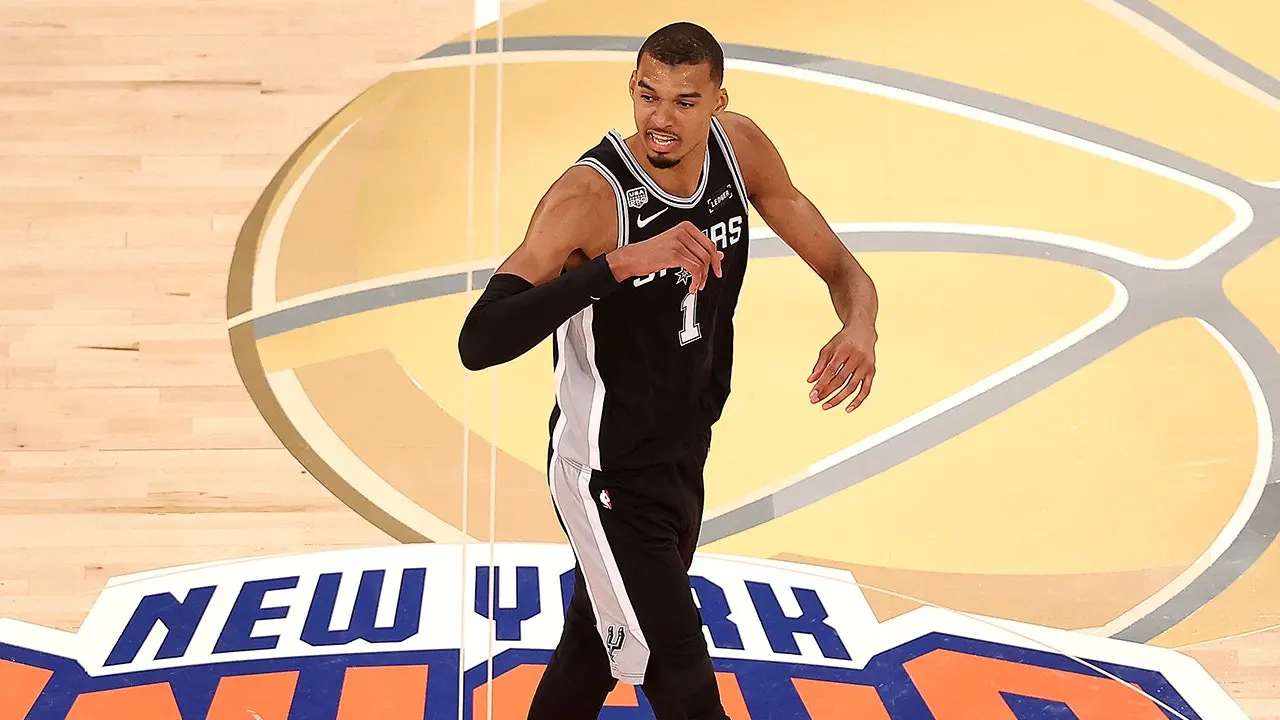
The thin line separating triumph from catastrophe in professional sports is rarely as cruel or as visible as it was during Game 4 of the NBA Finals. The San Antonio Spurs were standing on the absolute precipice of a completely different reality, agonizingly close to seizing full control of the series’ momentum. For nearly three quarters at Madison Square Garden, they played what resembled a basketball masterpiece, executing their game plan with flawless precision and building a seemingly insurmountable 29-point lead. To the fans watching back home in Texas and those sitting in stunned silence in the arena, it appeared the series was destined to return to San Antonio locked in a 2-2 gridlock. Instead, the Spurs and their supporters watched in agonizing slow motion as that commanding advantage vanished like sand through their fingers. The emotional weight of such a collapse is difficult to overstate; in the high-stakes pressure cooker of the NBA Finals, a single quarter of basketball can rewrite a legacy. Rather than celebrating a gutty road victory that would have re-established their dominance, the young Spurs were left to process a heartbreaking reality: they had let a historic opportunity slip away. The transition from supreme confidence to utter disbelief is a psychological gauntlet that even the most seasoned veterans struggle to navigate, let alone a roster trying to find its footing on basketball’s grandest stage. It was a loss that felt less like a standard sporting defeat and more like a profound emotional trauma, transforming what should have been a triumphant flight back home into a quiet, introspective journey filled with lingering questions of what might have been.
On the other side of the court, the New York Knicks engineered a miracle that will be spoken of in hushed, reverent tones for generations to come. Down by 29 points in the second half, and still facing a daunting 20-point deficit as the fourth quarter began, the Knicks tapped into a reservoir of grit and determination that defined the very soul of New York basketball. Feeding off the electric, deafening energy of a rabid Madison Square Garden crowd, they mounted the largest comeback in the history of the NBA Finals. Every single possession became a battle for survival as they chipped away at the Spurs’ confidence, turning a projected blowout into a thrilling, season-altering masterpiece. With every defensive stop, every contested three-pointer, and every hard-nosed rebound, the Knicks wore down San Antonio’s resolve, eventually snatching a commanding 3-1 series lead. The sheer physical and mental exertion required to pull off such an unprecedented feat cannot be measured merely by statistics on a box score; it was a testament to collective belief and a refusal to capitulate when all hope seemed lost. For the Knicks, this was not just a victory, but a statement of destiny, placing them on the absolute threshold of their ultimate dream. They had pushed the Spurs to the very brink of elimination, shifting the narrative of the entire series from a competitive, back-and-forth heavyweight bout into a desperate survival mission for their opponents, while booking themselves a permanent place in the archives of legendary sporting achievements.
In the eye of this swirling media storm stands Victor Wembanyama, the towering face of the Spurs’ franchise, who met the press on Friday not with the downcast demeanor of a defeated rookie, but with the quiet, steel-spined resolve of a true leader. When a reporter, sensing the palpable doubt surrounding the team’s chances, asked if there was any genuine “sense” within the locker room that they could still win three consecutive games to capture the Larry O’Brien Trophy, Wembanyama did not blink or offer a cliché platitude. Instead, his response was a defiant declaration of war: “Yeah, absolutely. Everybody thinks — everybody knows — we’re going to do it.” To hear a player speak with such absolute certainty in the wake of one of the most devastating collapses in basketball history is both jarring and inspiring. It humanizes the psychological armor that elite athletes must wear when the rest of the world has already written their obituaries. Wembanyama’s words were not merely meant for the journalists in the room, but served as a public lifeline to his teammates, a deliberate act of leadership designed to banish the creeping shadows of self-doubt. By projecting an aura of absolute inevitability, he sought to shift the collective mindset from mourning a lost opportunity to embracing a historic challenge, proving that while his body is engineered for the future of the game, his mental fortitude is already fully mature.
To understand the sheer magnitude of the mountain the Spurs must now climb, one must look back at the unforgiving history of the NBA. Only one team in the long, storied annals of the league has ever successfully navigated a 3-1 deficit in the Finals to capture the championship: the 2016 Cleveland Cavaliers. That legendary squad, spearheaded by LeBron James, pulled off the unthinkable against a historic 73-win Golden State Warriors team, winning two of those final three games on the road in hostile California territory. That remains the gold standard of postseason resilience, a sporting myth that serves as both an inspiration and a sobering reminder of how slim the margin for error truly is. For Wembanyama and the Spurs, the path forward requires an almost delusional level of belief, demanding three consecutive nights of flawless, high-pressure basketball where a single bad bounce, a missed free throw, or a defensive lapse could spell the end of their season. It is a psychological tightrope walk of the highest order, where they must draw strength from the solitary ghost of the 2016 Cavaliers while ignoring the statistical reality that dozens of other teams before them have failed to replicate that magic. This historical backdrop adds a layer of mythic drama to the upcoming games, transforming a standard playoff series into a legacy-defining quest to achieve the nearly impossible.
The process of moving past such a devastating loss is a deeply human drama that plays out away from the bright lights of the television cameras, behind the closed doors of the practice facility and hotel rooms. Wembanyama candidly admitted to reporters that shaking off the sting of Game 4 was an incredibly difficult endeavor, acknowledging that it was “harder than any other game before, by far, for sure.” This honest confession humanizes the young superstar, stripping away the hype to reveal a young man deeply feeling the pain of a missed opportunity that will likely haunt his thoughts for years to come. Yet, the beauty of the NBA playoffs lies in its relentless, unforgiving schedule, which demands that athletes compartmentalize their grief almost instantly. “I mean, now we’re over it,” Wembanyama added with a shrug of pragmatic resolve. “It’s the playoffs. There’s no time to regret things for too long.” This ability to rapidly process trauma, sweep away the ashes of yesterday’s defeat, and focus entirely on the next possession is what separates the good players from the truly legendary. The Spurs locker room has had to undergo a rapid emotional evolution over the last forty-eight hours, transforming their collective heartbreak into a focused, burning anger that they hope to unleash as they fight for their competitive lives.
The stage is now set for a dramatic Game 5 on Saturday night at 8:30 p.m. ET, returning to the passionate, high-energy atmosphere of San Antonio where the Spurs must defend their home court to keep their championship dreams alive. If they can summon the resolve to secure a victory, they will force a return trip to New York for Game 6 on Tuesday night—a date that carries its own layer of grand, global sporting drama. On that very same Tuesday, just a short drive away from Madison Square Garden, Wembanyama’s beloved home country of France is scheduled to battle Senegal in a highly anticipated World Cup match at MetLife Stadium, creating a spectacular convergence of international sports. This connection highlights the immense global stage upon which these young athletes perform, where national pride and personal legacy intertwine across different arenas. For Wembanyama, the chance to extend the series and bring the basketball world back to New York on a day when his country’s soccer stars are also competing nearby is a cinematic narrative waiting to be written. But before any of those grand, cross-continental storylines can become a reality, the Spurs must first survive forty-eight minutes of intense, unforgiving basketball in Texas, proving to themselves and the world that their belief is not just youthful arrogance, but the foundation of a historic comeback.