



In 2010, the world watched a cinematic masterpiece unfold in The Social Network, a film that chronicled the brash, brilliant, and deeply transactional birth of Facebook in a Harvard dorm room. Fast forward more than a decade, and the digital landscape that once promised to connect humanity has instead become a complex, often polarizing battleground of algorithmic manipulation, geopolitical strife, and systemic vulnerability. It is this darker, far more consequential reality that screenwriter-director Aaron Sorkin seeks to dissect in his upcoming, highly anticipated film, The Social Reckoning, slated for a theatrical release on October 9, 2026. Rather than offering a traditional Hollywood sequel, Sorkin returns to the scene of the digital crime to deliver what he characterizes as a companion piece—a thematic mirror held up to a world that has been irrevocably reshaped by the platform’s exponential rise. The narrative pivots away from the romanticized arrogance of creation and moves decisively toward the heavy, sobering weight of consequence. It is an exploration of what happens when a brilliant invention outgrows its creator’s moral compass, transforming from a tool for social connection into a runaway train of public harm, corporate complacency, and psychological manipulation. By capturing the tense, high-stakes drama of the real-world events that shook the tech industry to its core in 2021, Sorkin aims to show how the ideals of a digital empire ultimately collided with the fragile fabric of human society. At the heart of this cinematic reckoning is a story not of code, but of conscience; a human-centric drama that examines the immense courage required for a single individual to stand up against a multi-billion-dollar empire, and the subsequent ripple effects that forced a global reassessment of our collective relationship with technology.
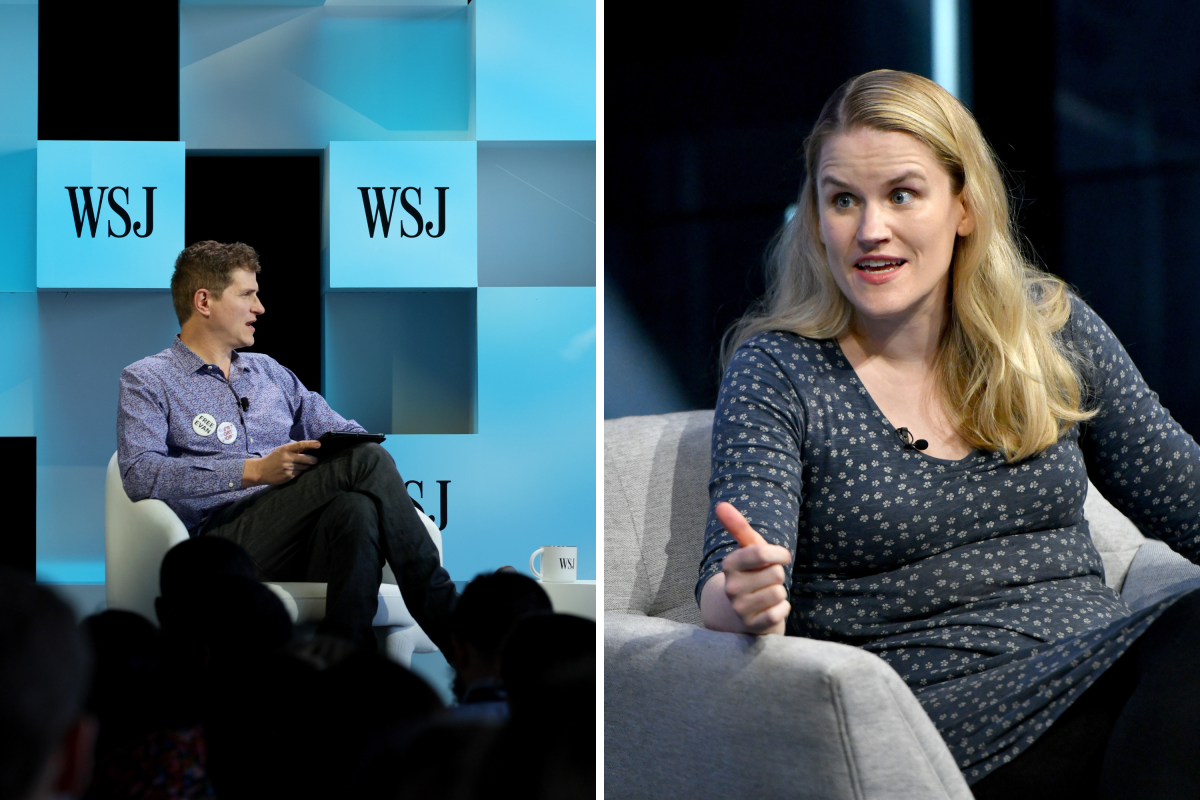
The emotional anchor of this dense, fast-paced thriller is the real-life journey of Frances Haugen, a former Facebook product manager whose moral awakening serves as the film’s driving catalyst. Portrayed with raw, quiet intensity by Mikey Madison, Haugen represents the countless technologists who entered Silicon Valley with the hopeful ambition of building a better connected world, only to find themselves complicit in a corporate machinery that systematically prioritized engagement and profit over human safety. During her tenure, Haugen bore witness to a chilling array of internal research documents revealing that the company was acutely aware of the deep-seated harms propagated by its algorithms. These internal studies demonstrated that the platform actively worsened body image issues among adolescent girls, accelerated the spread of dangerous political polarization, and allowed toxic misinformation to run rampant, all while executive leadership consistently chose to bury or downplay the findings to protect lucrative user-growth metrics. Confronted with this overwhelming ethical dilemma, Haugen made the agonizing, life-altering decision to transition from an obedient insider to a historic whistleblower. She meticulously gathered, cataloged, and eventually leaked tens of thousands of pages of highly confidential internal documents—a massive archive that would soon become known to the public as the “Facebook Files.” Her journey highlights the profound human cost of speaking truth to power; the terrifying isolation of preparing to face one of the most powerful corporations in human history, the anxiety of potential legal retaliation, and the deep, existential fatigue of carrying the weight of a truth that the public desperately needed to hear.
This monumental leak, however, could not have ignited a global conversation without a bridge to the public, a role filled by the relentless investigative journalist Jeff Horwitz. Played by Jeremy Allen White, Horwitz represents the classic, hard-nosed journalistic drive to uncover systemic rot beneath polished corporate public relations campaigns. As a technology reporter for The Wall Street Journal, Horwitz established a deeply trusting, high-stakes relationship with Haugen, working under intense secrecy to process, verify, and translate the mountain of technical leaked documents into a series of groundbreaking exposés. His work peeled back the curtain on Facebook’s internal operations, demonstrating to a global audience that the issues of online toxicity were not accidental glitches in the system, but rather direct, predictable outcomes of deliberate engineering choices designed to maximize user attention. The film illuminates the grueling, exhausting reality of modern investigative journalism, emphasizing that the search for truth is not a sudden, glamorous breakthrough, but a painstaking process of cross-referencing code, verification, and resisting intense corporate pushback. Highlighting the ongoing relevance of Horwitz’s tireless focus on tech industry ethics, the film’s narrative context nods to his later real-world triumphs. Transitioning to Reuters as a technology investigations reporter, Horwitz, alongside his colleague Engen Tham, went on to win the prestigious 2026 Pulitzer Prize for Beat Reporting. This honor was awarded for their revelatory series of articles that utilized original testing methods and leaked internal documents to expose how Meta knowingly exposed vulnerable users, including minors, to predatory financial scams and harmful AI chatbot interactions while continuing to generate massive revenue streams, cementing Horwitz’s legacy as an uncompromising chronicler of corporate accountability in the digital era.
To translate this intricate web of technical data, backroom legal strategy, and psychological tension into a compelling cinematic experience, Sorkin has assembled an extraordinary creative team and an ensemble cast designed to humanize the structural crisis. In a monumental casting choice that has already generated immense industry buzz, Emmy-winner Jeremy Strong takes over the role of Mark Zuckerberg, inheriting the character from Jesse Eisenberg, who portrayed the tech mogul’s youth in The Social Network. Strong, famous for his total-immersion acting methodology, is tasked with portraying an older, more defensive Zuckerberg—no longer the brilliant, socially awkward Harvard student seeking acceptance, but a seasoned, besieged emperor of a global digital landscape who must defend his life’s work against the onslaught of regulatory scrutiny and public condemnation. The supporting cast is packed with formidable talent, featuring Wunmi Mosaku, Betty Gilpin, Billy Magnussen, and the famously sharp-tongued comedian Bill Burr, each representing different facets of the corporate, legal, and political machinery that surrounded the whistleblower crisis. Filmed against the sleek, rain-slicked backdrop of Vancouver, the production aims for a visual style that matches the cold, calculated efficiency of the algorithms at the center of the story. Crucially, Sorkin has reunited with cinematographer Jeff Cronenweth, whose moody, low-key lighting and precise compositions defined the visual identity of the 2010 original. By maintaining this artistic continuity, The Social Reckoning promises to deliver the same intellectual intensity and whip-smart dialogue that earned Sorkin an Academy Award for Best Adapted Screenplay, utilizing his signature conversational cadence to make complex corporate defense strategies and data privacy debates feel as urgent and visceral as a physical confrontation.
By labeling The Social Reckoning a “companion piece” rather than a direct sequel, Sorkin and Sony Pictures are making a profound statement about the cyclic and evolutionary nature of modern corporate power. The first film was, fundamentally, a modern-day Shakespearean tragedy about the betrayal of friendship, the isolation of genius, and the creation of a revolutionary communication tool designed to bring people together. This film, by contrast, is a study of systemic capture—an analysis of how that very same communication tool evolved into a self-sustaining ecosystem that thrives on anger, division, and the commodification of human attention. Zuckerberg remains the central hub around which both narratives spin, but his relationship to the audience has fundamentally shifted. In The Social Network, we watched him build the walls of his castle; in The Social Reckoning, we watch him stand on the ramparts, attempting to justify the collateral damage caused by the shadow his castle casts over the entire world. The cinematic journey from the clean, blue-and-white simplicity of the early Facebook interface to the messy, volatile landscape of global elections, radicalization, and mental health crises perfectly mirrors our collective loss of digital innocence. It challenges the audience to confront a deeply uncomfortable reality: that the screens we look at every day are not passive mirrors, but active engines that shape our thoughts, our behaviors, and our relationships. Sorkin’s narrative asserts that the true tragedy of the social media age is not that we built a monster we cannot control, but that we built a system that understands our psychological vulnerabilities so perfectly that we are often unwilling to climb out of its trap.
As the film moves steadily toward its 2026 release date, the early promotional materials and trailer have already ignited a passionate, highly charged public debate, reflecting the deep cultural anxiety surrounding the legacy of Big Tech. Internet forums and social media platforms—ironically, the very venues critiqued by the upcoming film—have erupted with opinions on whether a follow-up to The Social Network is a necessary endeavor, especially given the dauntingly high artistic bar set by the original. Some cinema purists have expressed deep skepticism on platforms like X, arguing that the 2010 film was a flawless, modern masterpiece that should not be touched, pointing to the recasting of Zuckerberg as a risky creative gamble. Yet, counteractants argue that the sheer scale of the societal changes wrought by social media over the last decade demands a theatrical exploration of this scale, praising Jeremy Strong’s visible intensity in the trailer as a highly promising, potentially award-worthy performance. Ultimately, The Social Reckoning arrives at a moment of profound cultural reckoning, where the initial promises of the digital age have been thoroughly demystified, leaving behind a global society searching for accountability, regulatory guardrails, and a path back to authentic human connection. By focusing on the courage of a whistleblower and the integrity of investigative reporting, Sorkin’s film transcends the boundaries of standard entertainment, positioning itself as a vital, urgent critique of our contemporary world. It serves as a stark reminder that behind the sterile lines of code and the polished corporate talking points lie very real human lives, and that reclaiming our shared physical reality from the clutches of an addictive algorithm might just be the defining struggle of our generation.